
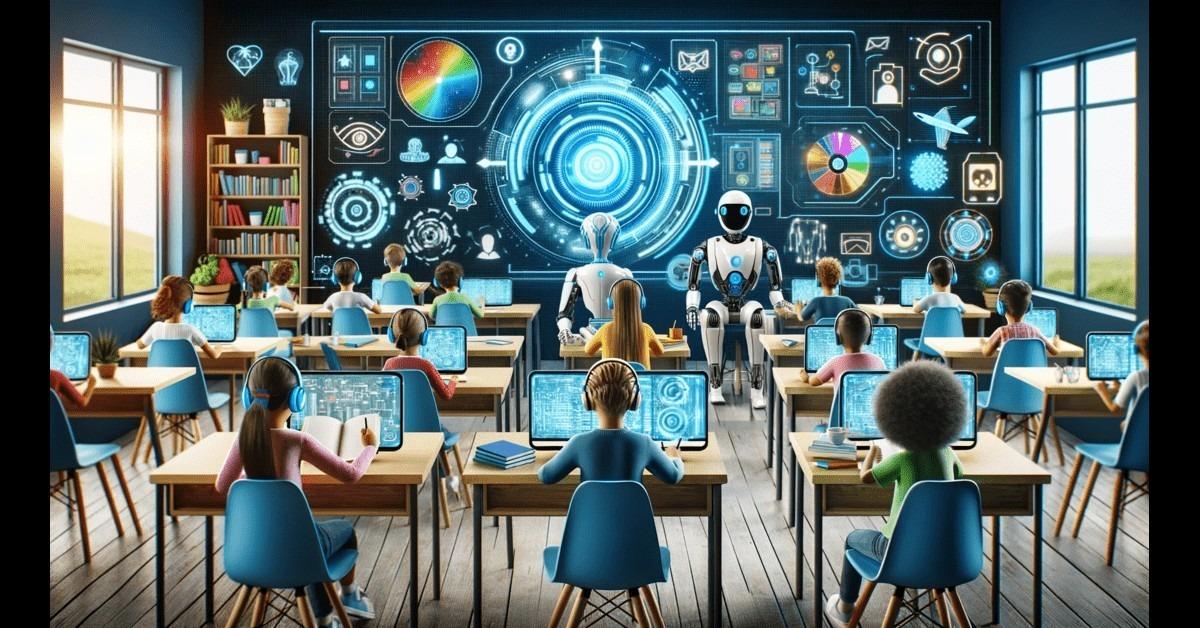
How to Train Teachers for AI-Integrated Classrooms: Essential Skills for Education’s Future
In an era where artificial intelligence is revolutionizing every aspect of our lives,classrooms are no exception. Educators stand at the forefront of this change, and preparing teachers for AI-integrated classrooms is now a necessity rather than a luxury. If you’re passionate about future-proofing education, investing in teacher training for AI-powered learning environments is critical. In this thorough guide, we’ll explore the essential skills teachers need, proven training methods, real-world case studies, and practical tips to foster successful integration of AI in education.
Why Train Teachers for AI-Integrated Classrooms?
With AI in education gaining momentum, its vital to ensure that teachers are prepared to harness the power of technology for more effective teaching and learning. Here’s why effective training matters:
- Personalized learning: AI enables tailored instruction that meets individual student needs.
- Efficient Assessment: Automates grading and identifies learning gaps.
- Time Management: Reduces administrative workload, giving teachers more time to focus on teaching.
- Future-Readiness: Prepares both teachers and students for a tech-driven world.
Essential Skills for Teachers in AI-Integrated Classrooms
Embarking on the journey toward AI-integrated classrooms requires a diverse set of skills. Through structured AI training, teachers can confidently navigate the evolving educational landscape. Here are the core competencies educators should develop:
1. Digital Literacy and AI Fundamentals
- Understanding basic AI concepts (machine learning, data analysis, automation, etc.)
- Familiarity with commonly used AI tools in education (e.g., adaptive learning platforms, chatbots, AI-based assessment tools)
- Data privacy and security best practices
2. Pedagogical Innovation
- Integrating AI to personalize learning paths
- Designing activities that take advantage of AI’s capabilities (e.g., real-time feedback, collaboration tools)
- Adapting lesson plans to include AI-driven insights
3. Critical Thinking and Problem-Solving
- Evaluating the ethical implications of AI use in education
- Guiding students to analyze AI-generated content critically
- Adapting quickly to new technological developments
4. Communication and Collaboration
- Explaining AI concepts to students, parents, and colleagues
- Collaborating with IT professionals and AI specialists
- Encouraging teamwork with AI-assisted projects
5. Lifelong Learning Mindset
- Continually updating skills as AI evolves
- Engaging in professional advancement opportunities related to educational technology
- Participating in online forums, webinars, and networks focused on AI in education
Best Practices for Training Teachers in AI-Integrated Classrooms
The shift toward AI-integrated learning environments demands effective professional development programs. Use these proven methods to ensure teachers feel supported and empowered:
Hands-On Workshops
- Facilitate interactive sessions where teachers experiment with AI-powered tools.
- Provide sandbox environments for risk-free exploration.
Blended Learning Programs
- Combine face-to-face training with online modules for adaptability and depth.
- use AI-driven learning platforms to personalize professional development.
Peer-to-Peer learning
- Create communities of practice where teachers share their experiences and strategies.
- Encourage mentorship between early adopters and newcomers.
Ongoing Technical Support
- Set up a helpdesk or support team to troubleshoot technical issues.
- Offer regular refresher courses and update sessions on new AI tools.
Integrating Real-World Scenarios
- Use case studies and success stories to highlight practical benefits.
- Invite guest speakers: AI experts, edtech leaders, and experienced teachers.
benefits of AI-Integrated teacher Training
Adopting an AI-ready mindset paves the way for enhanced learning outcomes and greater job satisfaction. Here’s how AI-integrated teacher training benefits the educational ecosystem:
- Improved Learning Outcomes: Students receive more personalized instruction, improving engagement and achievement.
- More Confident Educators: teachers feel equipped to leverage new technologies without fear.
- Adaptability: skills learned for AI integration help teachers adapt to future technological changes.
- Efficient School Operations: AI tools streamline management and classroom management.
- Global Competence: Educators prepare students for careers in the digital and AI-driven workforce.
Practical Tips for Developing AI-Ready Educators
- Start with Awareness: Run informational sessions to demystify AI and address concerns.
- Provide Guided Tutorials: curate easy-to-access resources, including videos and guided walkthroughs.
- Encourage Small-Scale Pilots: Begin with lightweight AI tools or features before adopting full-scale integrations.
- Foster a Growth Mindset: Stress the importance of continual learning and experimentation.
- Evaluate and Evolve: Collect feedback from teachers and iterate on professional development programs regularly.
Case Studies: AI-Integrated Teacher Training in Action
Case Study 1: Singapore’s National AI in Education Policy
Singapore’s Ministry of Education implemented a nationwide AI literacy initiative. teachers received comprehensive AI training through blended learning, combining workshops and online MOOC participation. As a result, AI-powered learning analytics now help Singaporean educators tailor lesson plans, and classroom engagement scores have increased by 25% within participating schools.
Case Study 2: EdTech Pilot Programme in the United States
A suburban school district partnered with an educational technology start-up to introduce AI-based personalized learning platforms. teachers received monthly professional development sessions, coupled with one-on-one coaching. Survey results showed that 82% of teachers felt more confident using AI tools by the end of the academic year, leading to improved student progress tracking and targeted interventions.
First-Hand Insights: Teacher Experiences with AI in Classrooms
“Learning to use AI assessment tools was daunting at first,but hands-on workshops and peer support have made all the difference. Now, I spend less time grading and more time connecting with my students!”
— Maria S., Middle School Teacher
“The biggest shift was realizing AI isn’t replacing us; it’s empowering us. By integrating AI-powered analytics, I can see student trends quicker and adapt my teaching on the fly.”
— james R., High school Science Teacher
Future Trends and the Road Ahead
As AI technologies continue to advance, ongoing teacher training and professional development remain vital.Expect future trends to include increased use of generative AI tools, immersive AR/VR simulations, and even more refined AI-driven personalized learning pathways. Educational leaders must continue to prioritize teacher support to sustain momentum and maximize the benefits of AI in schools.
Conclusion
preparing teachers for AI-integrated classrooms is an investment in the future of education. By cultivating essential skills such as digital literacy, pedagogical innovation, critical thinking, and a lifelong learning mindset, educators can unlock the true potential of AI for themselves and their students.Proactive teacher training, ongoing support, and strong school leadership are crucial for a smooth transition. Let’s embrace AI as a partner in empowering today’s teachers and inspiring tomorrow’s learners.