
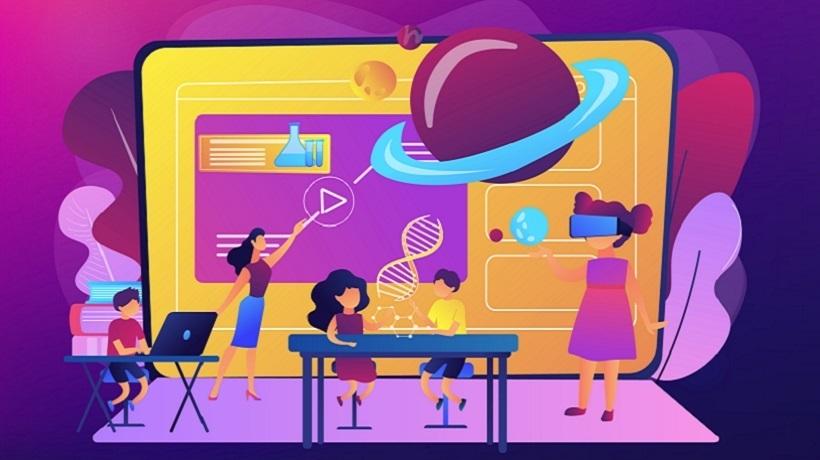
How to Train teachers for an AI-Integrated Classroom: Essential Strategies for 21st Century Learning
Introduction
As technology rapidly transforms the educational landscape,AI-integrated classrooms are emerging as a cornerstone of 21st century learning. While artificial intelligence brings countless opportunities to personalize education and enhance teaching practices, success hinges on one crucial factor: well-prepared teachers. This comprehensive guide explores effective strategies to train teachers for AI-integrated classrooms,equipping educators with the skills,confidence,and mindset needed to thrive in a dynamic,digital habitat.
What Is an AI-Integrated Classroom?
An AI-integrated classroom leverages artificial intelligence to support instruction, streamline administrative tasks, and foster personalized learning experiences. Common classroom examples include:
- Adaptive learning software that customizes lessons based on student performance
- AI-driven analytics for real-time assessment and feedback
- Chatbots for student support and FAQs
- Automated grading tools
- Speech-to-text and language translation features
Integrating these technologies requires more than just installing new tools — it demands a culture of continuous teacher training and professional development.
Benefits of Training Teachers for AI-Integrated Classrooms
- Enhanced Student Engagement: AI enables interactive, responsive lessons that motivate learners.
- personalized learning: Teachers can better support diverse learning needs by leveraging AI’s adaptive capabilities.
- Data-Driven Decisions: Real-time analytics empower teachers to identify gaps and strengths, enabling targeted interventions.
- Reduced Administrative Burden: Automating tasks like grading frees up time for creative lesson planning and student interaction.
- Future-Ready Skills: Ongoing AI training ensures teachers keep pace with rapidly evolving educational technologies.
Essential Strategies to Train Teachers for an AI-Integrated Classroom
effective teacher training is a multi-faceted process. Here are key strategies for successfully preparing educators for AI-powered learning environments:
1. Foster a Growth Mindset
- Encourage experimentation and embrace learning from failure
- Promote curiosity and continuous professional growth
- Highlight the evolving role of teachers as facilitators, not just content deliverers
2. Offer Hands-On, Ongoing Professional Development
-
Design workshops and seminars on key AI tools (e.g., adaptive learning, language processing, grading automation)
-
Host simulated classroom experiences with real AI applications
-
Provide blended learning opportunities combining online and in-person training
3. Build digital Literacy and Core Competencies
-
Teach foundational concepts such as data privacy, cybersecurity, and ethical AI use
-
Develop practical skills in troubleshooting, device management, and integrating digital resources
4.Facilitate Peer Collaboration and Learning Communities
-
Encourage teachers to form Professional Learning Communities (plcs)
-
Share success stories, challenges, and best practices with colleagues
-
Create mentorship programs pairing tech-savvy teachers with those less experienced
5. Align Training with Curriculum and Pedagogy
-
Showcase practical, curriculum-aligned use cases for AI integration across various subjects
-
Support teachers in designing lesson plans that meaningfully incorporate AI, rather than using technology for its own sake
6. Provide Just-in-Time Support and Resources
-
Develop accessible knowledge bases and video tutorials
-
set up help desks or chatbots for instant troubleshooting
-
Encourage use of microlearning modules to address specific needs “in the moment”
Practical Tips for Training Teachers in AI-Integrated Classrooms
- Begin with a Clear Vision: Define your school or district’s goals for AI integration before launching training initiatives.
- Conduct Needs Assessments: Survey teachers to identify skill gaps, interests, and confidence levels.
- Offer Differentiated Training: Customize programs for beginners, intermediates, and advanced users.
- Incorporate Real-World Tasks: Let teachers practice grading with AI tools,using chatbots,or analyzing sample data sets.
- Encourage Reflection: Build in time for teachers to discuss what works and what needs improvement.
First-Hand Experience: teacher Perspectives on AI Training
“the biggest change has been seeing data not as a burden, but as a powerful ally. After our district’s AI training, I can identify students who need help sooner and adjust my lessons in real time.” — Emily F.,Middle School Teacher
“Before,I was unsure about technology taking over my classroom. But the training focused on collaboration and creativity, showing me AI tools as partners, not replacements.” — Rafael S., High School Math Teacher
Conclusion
Preparing teachers for the AI-integrated classroom is essential for unlocking the full potential of 21st century learning. By prioritizing professional development, collaborative learning, and ongoing support, schools can empower educators to lead confidently in the era of artificial intelligence. Investing in teacher training doesn’t just benefit staff – it ensures students develop the digital literacy and critical thinking skills they need to succeed in a rapidly changing world.
Ready to take the next step? Start with a clear vision, listen to educators’ needs, and commit to a culture of growth – as the future of teaching is here, and it’s AI-powered.