
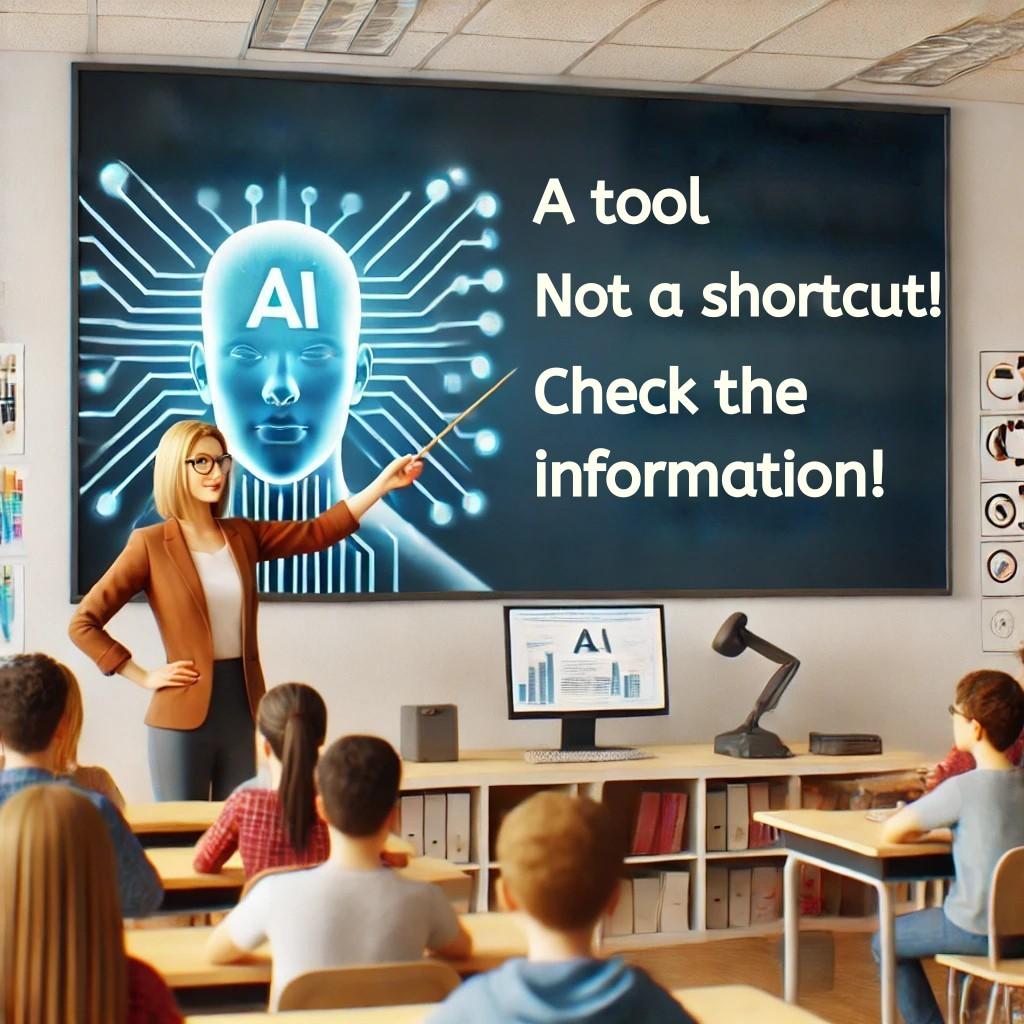
How to Train Teachers for an AI-Integrated Classroom: Strategies for Modern Educators
The rapid evolution of artificial intelligence (AI) is reshaping education worldwide. As schools embrace technology to enhance learning, the need to effectively train teachers for an AI-integrated classroom has never been more critical. But how can modern educators harness the transformative power of AI in teaching? In this comprehensive guide, we’ll explore proven strategies, practical tips, and real-world experiences to empower teachers for tomorrow’s classrooms.
Why AI-Integrated Classroom Training is Essential
Integrating AI into education isn’t about replacing teachers — it’s about empowering them. The seamless blend of AI tools in classrooms can support personalized learning, streamline administrative tasks, and provide valuable insights into student performance. Though, without adequate training, educators may feel overwhelmed or unsure about maximizing these technologies. Here’s why focused training matters:
- Confidence and Competence: Reduces anxiety and increases teachers’ confidence in using AI-based tools and platforms.
- Effective Integration: Ensures that digital resources genuinely enhance teaching, rather than creating distractions or inefficiencies.
- Equity and Inclusion: Prepares teachers to use AI features for supporting diverse learners and bridging educational gaps.
- Continuous Innovation: Fosters a growth mindset among educators, encouraging ongoing professional development in educational technology.
Core Strategies for Training teachers in AI Integration
The key to successful teacher training for AI-integrated classrooms lies in a structured, practical, and collaborative approach. Let’s break down the steps and best practices:
1. Assess Teachers’ Digital literacy and Mindsets
- Begin with a baseline assessment of educators’ current technology skills and attitudes toward AI in education.
- Use surveys, self-assessment tools, or brief interviews to identify specific needs and concerns.
- Address common myths and highlight the supportive rather than disruptive role of AI in the classroom.
2. Customize Professional Development Programs
Avoid a one-size-fits-all approach. Instead, tailor training to different comfort levels and subject areas:
- Offer tiered workshops (beginner, intermediate, advanced) to match varying expertise levels.
- Create discipline-specific sessions.For example, using AI in STEM education may differ from applications in language arts.
- Blend online modules, in-person workshops, and hands-on labs for optimal engagement.
3. Focus on Practical Application and Hands-On Experience
Teachers learn best by doing. Prioritize active, real-world exercises:
- Let educators experiment with popular AI classroom tools (such as adaptive assessment systems, automated grading, and intelligent tutoring platforms).
- Design collaborative lesson plans that incorporate AI technology.
- Encourage teachers to pilot AI tools with small groups before wider classroom implementation.
4. Cultivate Peer Collaboration and support Networks
- Create Professional Learning communities (PLCs) focused on educational technology and AI integration.
- Establish mentorship channels,pairing tech-savvy educators with those still building their confidence.
- Encourage regular sharing of best practices and success stories.
5. Integrate Continuous Feedback and Iteration
- Gather regular feedback from teachers throughout the training process via surveys, open forums, or focus groups.
- Adapt training content based on feedback, new AI trends, or emerging challenges in the classroom.
- Offer refreshers and updates to keep educators current.
key Benefits of Teacher Training for AI-Integrated Classrooms
Investing in comprehensive AI training for teachers leads to numerous benefits, both for educators and students. Here’s what effective training can achieve:
- Enhanced Student Engagement: Teachers confidently use AI-powered tools to personalize lessons,motivate students,and foster interaction.
- Time Savings: Automation of administrative tasks (such as grading and record-keeping) gives educators more time for direct instruction and student mentorship.
- Data-Driven Insights: AI assists teachers in tracking student progress in real-time, enabling early interventions and targeted support for at-risk learners.
- Equitable Learning Opportunities: AI resources can be customized to support students with diverse needs, enhancing accessibility and inclusion.
- Adaptability: Well-trained teachers are better equipped to adapt curricula and teaching strategies in response to rapidly changing technology trends.
Practical Tips for Effective AI-Focused Teacher Training
- Start Small: Introduce one or two AI tools at a time to avoid overwhelming teachers and allow for mastery before scaling up.
- Use Real classroom Scenarios: Base training on everyday teaching challenges, such as differentiated instruction or student assessment.
- Leverage Online Resources: Utilize free MOOCs, webinars, and interactive tutorials from trusted educational technology providers.
- Encourage Reflection: Ask teachers to reflect on how AI supports both pedagogy and their own workload management.
- Reward Progress: Recognize milestones (certifications, successful pilot projects) to motivate ongoing learning.
Case Studies: Successful AI Integration Through Teacher Training
Real-world examples provide inspiration and practical insights. Here are two schools that exemplified effective teacher training for AI-integrated classrooms:
Case Study 1: Blossom Primary School, UK
- invested in a year-long professional development program focused on using AI for assessment and personalized reading plans.
- Provided ongoing mentorship and set up a ‘Tech Team’ for rapid troubleshooting and resource sharing.
- Within one year, student reading scores increased by 18%, and teacher job satisfaction surveys showed marked improvements.
Case Study 2: Valley View High school, California
- Piloted an AI-driven math tutoring system in 9th grade classrooms.
- Allowed teachers to co-design training sessions based on their day-to-day challenges.
- Enabled teachers to mentor each other and document experiences via a dedicated blog.
- Student pass rates in Algebra I improved by 12%, and technology anxiety among faculty dropped considerably.
Overcoming Common Challenges in Teacher Training
- Resistance to Change: Combat uncertainty by starting with low-stakes pilot projects and celebrating quick wins.
- Time Constraints: Integrate micro-learning formats (short, focused modules) into existing professional development schedules.
- Resource Limitations: Make use of free or low-cost AI platforms and leverage vendor support for training materials.
- Privacy and Ethics concerns: Include sessions on data security, student privacy, and responsible AI use in all training modules.
First-Hand Experience: A Teacher’s Perspective
“Before our school’s AI training workshops, I viewed AI with skepticism — I worried it would be just another tech fad. But the hands-on support, practical classroom examples, and seeing instant benefits for students changed my outlook entirely. now, I feel excited about exploring even more ways AI can help every student thrive.”
— Maria Hernandez, Middle School Teacher
Conclusion: Empowering Modern Educators for the Future
Preparing teachers for an AI-integrated classroom goes far beyond simply introducing new gadgets or apps. It requires thoughtful planning, tailored professional development, and a deep understanding of both the opportunities and challenges AI brings to education. By investing in ongoing,practical,and collaborative training,schools can ensure that their teachers lead the way in delivering more engaging,personalized,and effective learning experiences. Embrace AI in education — and empower your educators to guide the next generation with confidence.
Ready to transform your school’s approach? Explore more educational technology resources, connect with other modern educators, and start building your AI training roadmap today.