
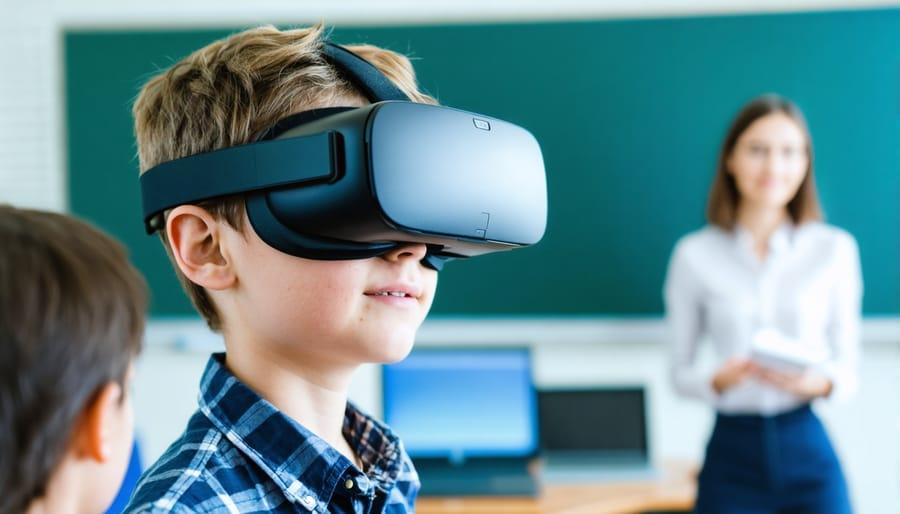
How to Train Teachers for Effective VR/AR Integration in the Classroom
Virtual Reality (VR) and Augmented Reality (AR) are transforming education by creating immersive learning experiences that spark curiosity and engagement. However, the triumphant integration of VR/AR in the classroom requires more than just cutting-edge technology—it demands teachers who are confident and well-trained. This article explores practical strategies,benefits,and actionable steps to train teachers for effective VR/AR integration,ensuring your lessons are both innovative and impactful.
Why is VR/AR Teacher Training Essential?
Even the most advanced VR/AR technology can fall flat without skilled educators. Proper VR/AR teacher training empowers instructors to:
- Confidently operate VR/AR equipment and software
- Align immersive activities with curriculum goals
- Facilitate student collaboration and engagement
- Troubleshoot technical issues as they arise
- Promote digital citizenship and online safety in immersive environments
Investing in teacher training ensures that VR/AR tools drive real educational value, not just novelty.
Key Benefits of Effective VR/AR Integration in the Classroom
- Enhanced Student engagement: Immersive content captures attention and fosters active learning.
- Experiential Learning: Students “visit” past sites, explore scientific concepts, and conduct virtual labs.
- Personalized Pacing: VR/AR platforms often allow individualized progress tracking and differentiated instruction.
- Advancement of 21st Century skills: Collaboration, creativity, problem-solving, and digital literacy.
Step-By-Step Guide: how to Train Teachers for Effective VR/AR Integration
1. Assess Current Skill Levels
Begin by evaluating teachers’ existing experience with technology. Consider surveys, skill assessments, and open discussions to identify both strengths and areas for growth.
2. Develop a Structured Training Program
- Workshops and Hands-On Sessions: Organize interactive workshops where teachers experiment with VR headsets, AR apps, and classroom-ready content.
- Online Courses: Offer e-learning modules covering VR/AR basics, safety protocols, and instructional strategies.
- Expert-Led Demonstrations: Invite experienced educators or technology specialists to share best practices and model immersive lessons.
3. Emphasize Pedagogical Integration
Effective VR/AR classroom integration depends on more than technological know-how. Focus on:
- Designing lesson plans that leverage VR/AR for specific learning objectives
- Strategies for integrating immersive content into diverse subjects (Science, History, the Arts, etc.)
- assessment methods for measuring student learning outcomes in VR/AR environments
4. Foster Collaboration and Community
- Encourage peer-to-peer learning and mentorship among teachers
- Create online forums, social media groups, or regular meetups for resource sharing
- Celebrate VR/AR teaching successes to build enthusiasm school-wide
5. Provide Ongoing Support and Troubleshooting
- Deliver access to tech support and troubleshooting guides
- Schedule regular refresher courses and advanced training sessions
- Offer opportunities for teachers to try new apps and devices as technology evolves
Practical Tips for Successful VR/AR Teacher Training
- Start Small: Introduce one or two VR or AR activities at a time to build educator confidence.
- Use Real-World Scenarios: Make training sessions relevant with subject-specific examples and applications.
- Keep Accessibility in Mind: Address student needs, device availability, and safety guidelines for all learners.
- Gather Feedback: Regularly ask teachers about their experiences with VR/AR and adapt training accordingly.
- Encourage experimentation: Let teachers test various platforms and modify activities to fit their style.
Case Studies: VR/AR Integration Success Stories
A middle school in Chicago implemented a VR platform for science, allowing students to virtually explore the solar system and conduct chemistry simulations. Teachers underwent a week-long hands-on workshop, followed by monthly collaborative planning sessions. Outcome: Student test scores improved, and teachers reported higher engagement in STEM subjects.
In Australia, a high school history department introduced AR to overlay ancient landmarks during field trips. Teachers participated in online training and peer-led seminars. This approach led to increased student retention of historical facts and keen classroom discussions.
First-Hand Experience: Teacher Perspectives on VR/AR Training
“Before training, I felt overwhelmed by the idea of using VR in my classroom. After joining peer workshops and trying the equipment myself, I now use VR simulations in my biology lessons weekly. The students are energized, and I feel empowered as an educator.” — Ms. Adriana Lee, Biology Teacher
such testimonials underscore the impact of targeted, collaborative, and ongoing teacher training for VR/AR integration.
Useful Resources for VR/AR Teacher Training
- Google for education: VR & AR
- Microsoft Education Workshops
- XR for All – Teacher Resources
- edutopia: AR/VR in the Classroom
Conclusion: Empowering Teachers for the Future of Learning
The road to effective VR/AR integration in the classroom starts with empowered, knowledgeable teachers. Through structured training, hands-on experience, and ongoing support, educators can harness the full potential of immersive technologies.Start small, foster a culture of collaboration, and watch as your classrooms transform into vibrant centers of exploration and innovation. Now is the time to invest in teacher training for VR/AR and lead your school into the future of education.