
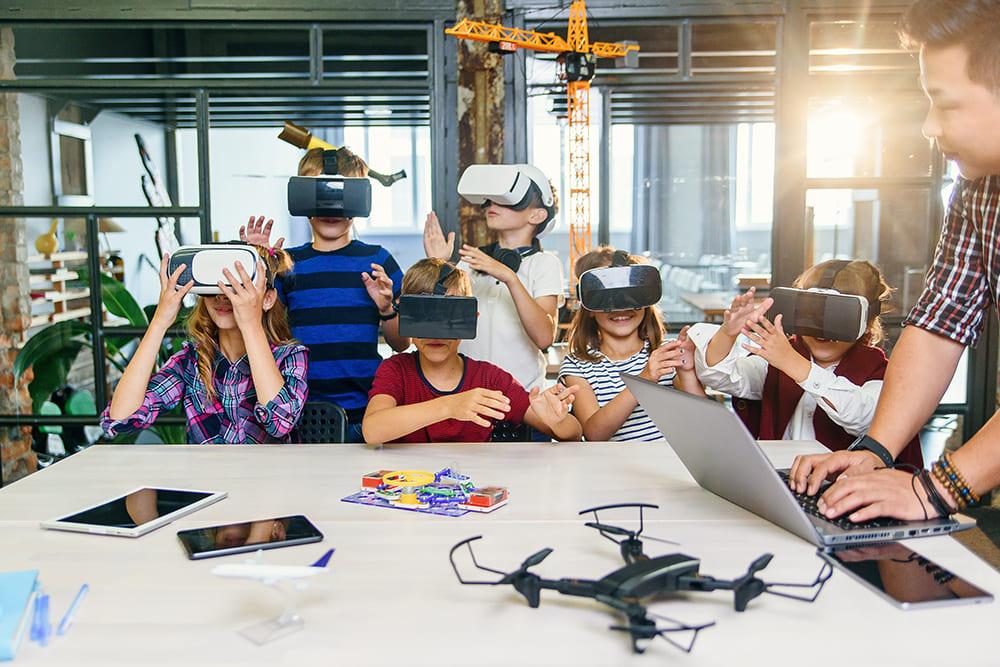
How to Train Teachers for effective VR/AR Tool Integration in Classrooms
As the field of education continues to evolve, integrating Virtual Reality (VR) and Augmented Reality (AR) technologies has become increasingly critically important. These immersive tools have the power to transform conventional learning environments, making lessons more engaging, interactive, and memorable. however, the triumphant adoption of VR/AR tools in the classroom hinges on one key factor: teacher training. This comprehensive guide will walk you through the best practices, actionable strategies, and real-world examples for training teachers to effectively use VR/AR tools, ensuring your school is ready for the future of education.
Why Teacher Training Matters in VR/AR Integration
While VR/AR technology offers a wealth of opportunities—from virtual field trips to hands-on science labs—integrating these tools requires educators to rethink their teaching approaches. Proper training empowers teachers to:
- Maximize the benefits of immersive technologies
- Overcome the initial learning curve
- Design meaningful VR/AR experiences aligned with curriculum goals
- Facilitate inclusive and safe classroom environments
- Confidently troubleshoot common technical challenges
Key Benefits of Effective VR/AR Teacher Training
- Enhanced Student Engagement – Teachers skilled in VR/AR can captivate students with interactive, multisensory experiences.
- Improved Learning Outcomes – Immersive lessons help students retain information and develop critical thinking skills.
- Reduction of Tech anxiety – Training reduces resistance and fear, empowering teachers to embrace innovative methodologies.
- Scalability – Well-trained teachers can mentor others, supporting broader implementation across your school or district.
- Resource Optimization – Schools can leverage investments in VR/AR hardware and software more effectively.
Step-by-Step Guide: How to Train Teachers for VR/AR Tool Integration
1. Assess Teacher Readiness and Needs
- Conduct surveys to gauge current knowledge and comfort level with educational technology.
- Identify specific curriculum areas where VR/AR could add value.
- Pinpoint barriers—technical, pedagogical, or logistical—to successful integration.
2. Develop Customized Training programs
Tailored programs foster a positive learning habitat for teachers. Consider:
- Onboarding workshops that cover basic VR/AR concepts and safety tips
- Hands-on sessions with classroom-ready VR/AR devices and apps
- Pacing guides to introduce tools gradually, reducing overwhelm
- Integration modeling, where instructional coaches led sample lessons
3. Provide Ongoing Support and Resources
- Establish a mentorship program pairing tech-savvy teachers with novices.
- Create an online resource hub with tutorials, lesson plans, and troubleshooting FAQs.
- Offer regular professional growth sessions for continued learning.
- Encourage collaborative lesson planning and peer feedback.
4. Embrace a Blended Learning Approach
Combine in-person workshops with self-paced online modules.Popular options include:
- Webinars and video walk-throughs
- Interactive simulations and sandbox environments
- Discussion forums or chat groups for sharing tips and advice
5. Integrate Real Classroom Scenarios
- Encourage teachers to pilot VR/AR activities with small student groups.
- Gather feedback to refine lesson plans and techniques.
- Share case studies and success stories to inspire broader adoption.
Practical Tips for Successful VR/AR Teacher Training
- Start small: Introduce VR/AR with a single lesson or project before expanding.
- Foster collaboration: Create cross-disciplinary teams to spark creative uses and peer learning.
- Prioritize accessibility: Select VR/AR tools that are easy to use and inclusive for all students.
- Emphasize pedagogy: Focus on teaching strategies, not just the technology itself.
- Promote digital citizenship: Discuss online safety and respectful use of immersive tools.
- Monitor and evaluate: Use feedback surveys and classroom observations to track progress.
“The key to effective VR/AR integration in schools isn’t just having the technology — it’s giving teachers the tools, confidence, and community to innovate.”
— EdTech Innovation Strategist
Case Studies: real-World Success in VR/AR Teacher Training
Case Study 1: Mountain Valley Middle School
Mountain Valley introduced VR headsets for social studies and science. Training included:
- Peer-led workshops led by “Tech champions”
- Weekly meetings to swap lesson ideas and troubleshoot
- Use of a dedicated Google Drive folder for resources and success stories
Result: Within a semester,tech adoption rates tripled and teachers reported higher student engagement.
Case Study 2: City Academy STEM department
- partnered with local university for immersive teaching seminars
- Teachers piloted AR anatomy apps with targeted training and coaching
- Integration lessons focused on student inquiry and collaboration
Result: Students demonstrated deeper understanding in biology, and teachers incorporated AR into other subjects proactively.
First-Hand Experience: Educator’s Perspective
“When we introduced VR into our English curriculum, I was nervous at first. But after hands-on training and support from colleagues, I saw my students dive into Shakespeare’s world with excitement. The key was starting simple and gradually building my comfort level.”
– Mrs. J. Romano, English Teacher
Overcoming Common Challenges in VR/AR Teacher Training
Even the best-run training programs face hurdles. Here’s how to address common obstacles:
- Technical Issues: Appoint IT support during initial rollouts. Offer cheat sheets and troubleshooting guides.
- Lack of Time: Integrate micro-learning modules that fit busy schedules and provide training during existing PD days.
- Budget Constraints: Utilize free VR/AR apps and seek partnerships with edtech companies for grant opportunities.
- Resistance to Change: present evidence of positive outcomes and share peer success stories to increase buy-in.
Best Practices for Sustained Success
- Maintain a feedback loop with teachers for ongoing improvement.
- regularly update training materials to reflect technology advances.
- celebrate milestones and publicly recognize teacher innovators.
- Encourage reflection and sharing of classroom experiences through blogs or school newsletters.
Conclusion: Empowering Educators for the Future
Effective VR/AR teacher training is the cornerstone of successful technology integration in education. With thorough preparation, ongoing support, and a commitment to pedagogical excellence, schools can unlock the full potential of immersive learning tools. By investing in teacher development, you’re not only enhancing classroom experiences but also preparing students for a rapidly changing, tech-driven world.
Ready to start your journey? Review your teachers’ needs, plan meaningful training, and celebrate every step towards transforming education with VR and AR!