
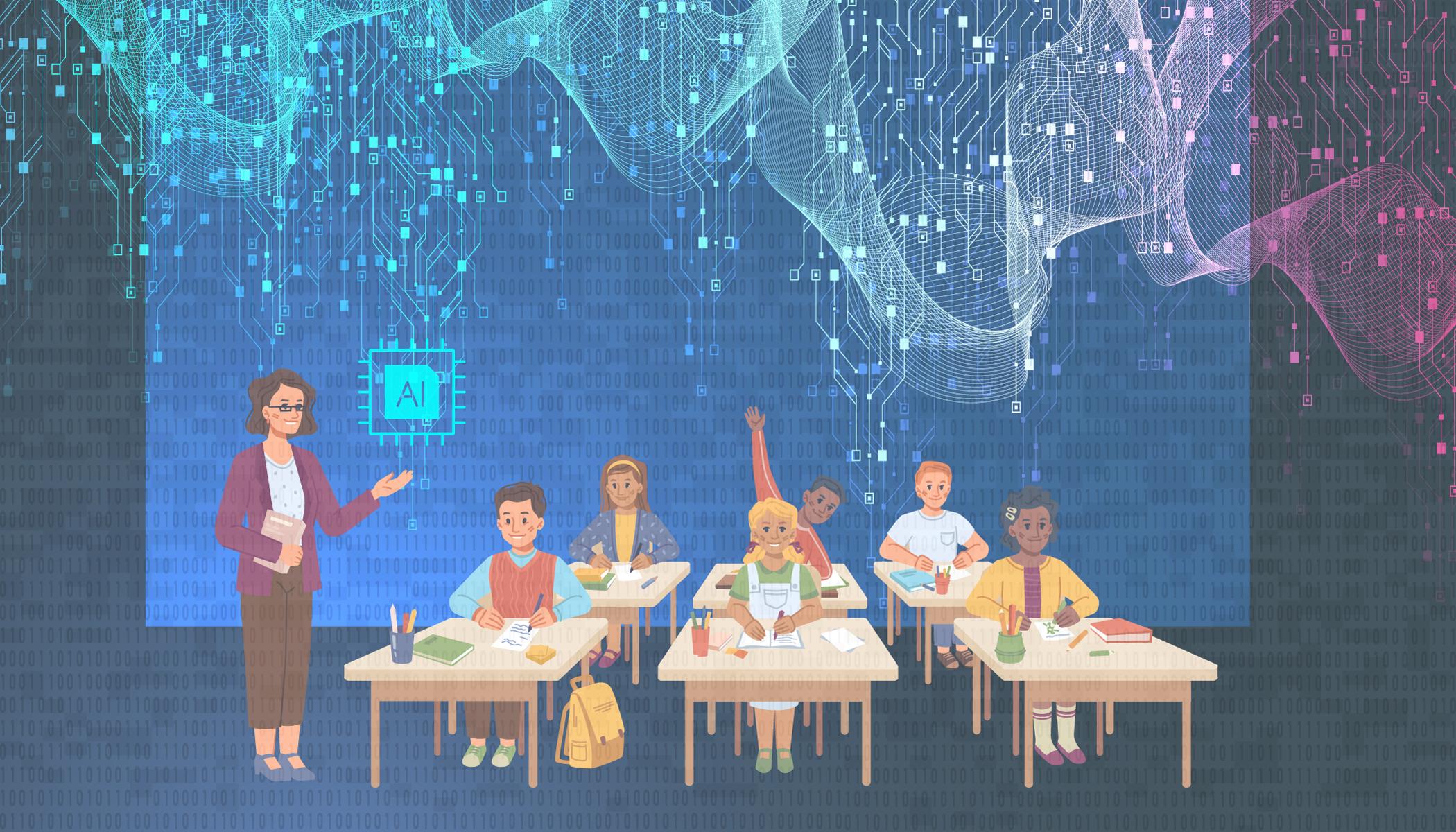
How to Train Teachers for Success in AI-Integrated Classrooms: Essential Skills & Strategies
The rise of artificial intelligence in education has transformed classrooms, making learning more interactive, personalized, and effective. Though, the true enablers of this transformation are teachers empowered to leverage AI tools adeptly. Training teachers for success in AI-integrated classrooms is now a critical step for schools striving to prepare students for the future.
Introduction: Why Teacher Training for AI Matters
Today’s classrooms are no longer confined to chalkboards and textbooks—they are hubs of innovation, powered by smart technologies. While the promise of AI in education is massive, its potential can only be realized when teachers are equipped with the right skills, mindset, and confidence. With robust teacher training programs,schools can ensure educators thrive in AI-powered environments,fostering better learning outcomes and higher student engagement.
The Importance and Benefits of AI-Integrated Classroom Training
Before diving into the “how,” let’s explore why teacher training for AI classrooms is essential and what benefits it offers:
- Enhances Teaching Effectiveness: AI tools support differentiated instruction and automate administrative tasks, giving teachers more time to focus on student needs.
- Improves Student Outcomes: Data-driven insights enable teachers to identify learning gaps and tailor interventions.
- Boosts Teacher Confidence: Training dispels fear of technology, empowering teachers to embrace continuous change.
- Supports Lifelong Learning: Teachers become role models for curiosity, adaptability, and growth.
- Promotes Inclusivity: AI-driven platforms accommodate diverse learning styles and needs, making classrooms more inclusive.
Essential Skills for Teachers in AI-Integrated Classrooms
To ensure success in AI-enhanced educational environments, teachers require more than technical know-how. Below are the most critical teacher skills for AI classrooms:
1. Digital Literacy & Technological Fluency
- Understanding how AI tools function (e.g.,adaptive learning platforms,grading software,chatbots).
- Navigating new applications and troubleshooting basic tech issues.
- Evaluating digital resources for safety, relevance, and educational value.
2. Data Literacy
- Interpreting analytics to monitor student progress.
- Using data to inform lesson planning and interventions.
- Safeguarding student data privacy and ethical use of details.
3. Pedagogical Adaptability
- Incorporating AI-driven personalization into teaching workflows.
- Balancing customary methods with technology-assisted instruction.
- Continuously reflecting on and improving pedagogical approaches.
4. Dialog and Collaboration
- facilitating meaningful discussions about AI-related changes with students, parents, and colleagues.
- Encouraging teamwork through collaborative digital platforms.
5. Ethical and Critical Thinking
- Understanding the ethical use of AI in education.
- Teaching students to think critically about AI-generated content and digital citizenship.
Proven Strategies for Training Teachers in AI-Integrated Classrooms
Effective teacher training for AI-integrated classrooms should be ongoing, practical, and hands-on. Here’s how educational leaders and schools can build robust training programs:
1. Start with a Needs Assessment
Identify current skill levels, gaps, and perceptions about AI among teachers. Use surveys, interviews, or digital skills assessments to tailor professional growth.
2.Offer Tiered Professional Development
- Introductory workshops: Demystify AI and showcase basic tools in education.
- Hands-on Training: Provide guided practice sessions on using specific AI-powered platforms.
- advanced Sessions: Focus on data analysis, integrating multiple tools, and developing AI-driven lesson plans.
3. Foster a Collaborative Learning Culture
- Encourage teacher learning communities, both in-person and online.
- Promote sharing of AI integration success stories and challenges.
- Utilize peer mentoring where tech-savvy teachers support others.
4. Blend Theory with Practice
- Allow teachers to experiment with AI tools in low-stakes settings before full classroom integration.
- Encourage reflective practice and feedback loops for ongoing improvement.
5. Provide sustained Support and Resources
- Maintain a repository of tutorials,FAQs,and troubleshooting guides.
- Offer just-in-time coaching or “AI help desks.”
- Regularly update teachers on newly available AI tools and best practices.
6. Focus on Ethical and Responsible AI Usage
- Train teachers on the importance of data privacy and minimizing algorithmic bias.
- Discuss the societal impact of AI and related classroom conversations.
practical Tips for Effective Teacher Training
- personalize Professional Development: Use AI to recommend relevant training modules based on individual progress.
- Incorporate Microlearning: Break training into digestible, focused sessions to boost retention and reduce overwhelm.
- Celebrate Early Adopters: Highlight teachers who innovate with AI, inspiring others through recognition and sharing best practices.
- Invite Student Voices: Gather feedback from students about AI tools to inform both product selection and training focus.
- Leverage Partnerships: Collaborate with technology providers, universities, and edtech startups for resources and guest training sessions.
Case Studies: Real-World Experiences in AI-Integrated Teacher Training
Case study 1: Personalized PD in a High School Setting
At Springfield High, a district-wide initiative used AI-powered analytics to determine teachers’ skill gaps. Based on individual needs, educators received personalized learning pathways combining video modules, live coaching, and peer-led workshops. After a year, 84% of teachers reported increased confidence, and student completion rates improved by 16%.
Case Study 2: Rural School Collaboration
A network of rural schools partnered with a leading edtech company to deliver remote, hands-on AI classroom training. Teachers learned how to integrate AI-enhanced assessment and adaptive learning tools. Not only did student achievement rise, but teacher turnover decreased due to heightened job satisfaction and support.
Frist-Hand Insights: A teacher’s Perspective
“Initially, I felt overwhelmed by the idea of incorporating AI into my lessons. The key was supportive, ongoing training with plenty of trial-and-error opportunities. Now, my students are more engaged, and I spend more time teaching—less time on paperwork.”
— amy Lee, 7th Grade Science Teacher
Overcoming Common Challenges in Teacher AI training
Despite its benefits, AI integration can present hurdles. Here are solutions to the most common challenges:
- Fear of Technology: Start with small wins and emphasize a growth mindset.
- Time Constraints: Integrate training into existing professional development and embed microlearning.
- Uneven Access: Advocate for equitable access to devices and high-speed internet for all teachers and students.
- Changing Tools: Foster continuous learning so teachers are comfortable adapting to new platforms as technology evolves.
Conclusion: Empowering Educators for an AI-Powered Future
The key to accomplished AI integration in classrooms lies in empowering teachers through strategic, lifelong learning and a culture of innovation. By prioritizing teacher training that matches the pace of technological change, schools ensure that both educators and students are prepared for the future.
Implementing the strategies and tips outlined above will not only enhance teaching effectiveness but also elevate the entire educational experience. As AI evolves, so must our approach to professional development, making teacher training not just an event, but an ongoing journey.
Are you ready to future-proof your school and foster truly AI-integrated classrooms? Start investing in your teachers today—the backbone of educational transformation.