
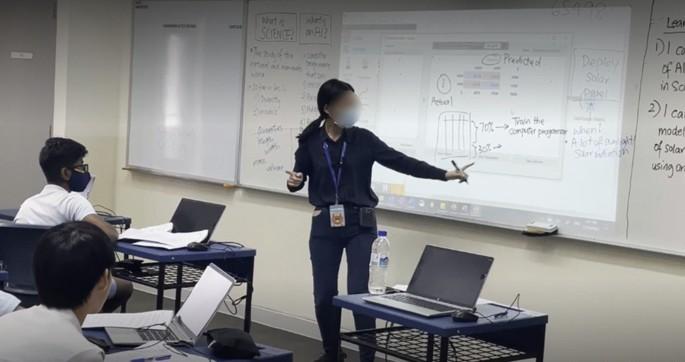
How to Train Teachers for success in AI-Integrated Classrooms: Essential Strategies and Tips
Artificial Intelligence (AI) is redefining the modern classroom, enabling personalized learning, efficient assessment, and transformative educational experiences. As AI integration accelerates,educators must be prepared to embrace these innovations and harness their full potential for student success. This extensive guide explores how to train teachers for success in AI-integrated classrooms, highlighting essential strategies, valuable tips, real-world case studies, and proven best practices.
Understanding AI in Education: Why Teacher Training Matters
AI-powered tools—ranging from adaptive learning platforms to intelligent chatbots—offer immense benefits, but their effective use hinges on teacher preparedness. Providing quality training ensures educators:
- Confidently navigate and leverage AI technologies in teaching and learning
- Promote ethical and responsible AI usage
- Optimize classroom efficiency and individualize instruction
- Mitigate challenges such as data privacy concerns and digital inequality
Key Benefits of AI-Integrated Classrooms
- Personalized Learning: AI tailors lessons based on student data,catering to varying abilities and learning styles.
- Improved Efficiency: AI automates grading, tracks progress, and saves teachers valuable time.
- Data-Driven Insights: Educators recieve actionable feedback to inform instructional decisions.
- Enhanced Engagement: Interactive AI tools boost student motivation and participation.
Essential Strategies for Training Teachers in AI-Integrated Classrooms
1. Assessing Needs and Skills
Begin with a thorough evaluation of teachers’ existing skills and comfort levels with technology. Use surveys and interviews to identify specific training needs.
2. Designing Customized Professional Development Programs
Effective teacher training programs for AI-integrated classrooms should be:
- Practical and Hands-On: Incorporate workshops where teachers interact directly with AI tools and platforms.
- Ongoing: Move beyond one-off sessions; establish continuous learning opportunities.
- Collaborative: Foster peer-to-peer learning, encourage mentorship, and build communities of practice.
- Flexible: Offer online modules, webinars, and on-demand resources so teachers can learn at their own pace.
3. Focusing on pedagogy, Not Just Technology
Train teachers to integrate AI seamlessly into their curriculum, emphasizing pedagogical goals over mere tech adoption. Examples include:
- Using AI for differentiated instruction
- Facilitating formative assessment with real-time feedback tools
- Encouraging higher-order thinking through AI simulations and problem-solving
4. Addressing Ethical and Responsible AI Use
help teachers understand fundamental issues such as:
- Data security and student privacy
- Bias and fairness in AI algorithms
- Promoting digital citizenship
5. Providing Reliable Technical Support
Ensure teachers have access to dedicated support for troubleshooting and technical guidance.Establish clear channels—help desks,online chat,and in-school tech coaches.
Quick Tips for Effective AI Training
- Encourage experimentation and a growth mindset—remind teachers that it’s okay to make mistakes with new technology.
- Showcase student success stories and tangible classroom impacts to inspire adoption.
- Leverage microlearning: Introduce bite-sized training modules that are easy to fit into busy schedules.
- Partner with edtech vendors for product-specific workshops and certification opportunities.
Practical Steps to Implement Teacher Training for AI-integrated Classrooms
- Step 1: Identify AI tools relevant to your curriculum and set clear learning outcomes for their use.
- Step 2: Set up pilot programs and gather feedback from early adopters before scaling up.
- Step 3: Integrate AI training into existing professional development frameworks.
- Step 4: Encourage ongoing reflection and adaptation—what works well, and what needs betterment?
- Step 5: Celebrate success and recognize tech-savvy teachers as change agents.
Case Studies: prosperous AI Integration in Classrooms
At a middle school in Austin, teachers attended a series of hands-on workshops to learn about smart learning platforms like DreamBox and Century Tech. Within six months, student math scores increased by 15% as teachers used AI to adapt lessons in real time. Crucially, ongoing coaching enabled teachers to share tips and tackle challenges together, fostering a supportive learning community.
English teachers piloted AI chatbots as conversational partners for ESL students. After initial training which included ethical considerations and technical troubleshooting, students’ speaking confidence soared. The school reported improved engagement and reduced grading workload for teachers.
First-Hand Experiance: Teacher Testimonial
“I was nervous when my district introduced AI platforms for personalized reading. Thanks to step-by-step training and peer support, I quickly saw students thrive with lessons tailored to their needs. The AI tools made class management easier and gave me more time for meaningful interactions. Continuous learning was key to my confidence and success.”
– Maria Lopez, Elementary School Teacher
FAQs About Training Teachers in AI-Integrated Classrooms
What challenges do teachers face when adopting AI in the classroom?
Common challenges include steep learning curves, fear of technology replacing traditional teaching roles, concerns about student data privacy, and lack of ongoing support. Robust training and clear interaction can address these barriers.
how can schools ensure equitable AI integration?
Provide resources, devices, and support to all staff, and address digital divides through targeted funding and partnerships. Make sure AI tools are accessible and inclusive for diverse learners.
What future trends should teachers be aware of?
Expect more advanced AI applications like predictive analytics, virtual reality-based learning, and intelligent content creation tools. Ongoing professional development is essential for staying ahead.
Conclusion: Empowering Educators for the Future of AI-Driven education
Successfully training teachers for AI-integrated classrooms is about more than mastering new technologies—it’s about empowering educators to foster innovation, equity, and lifelong learning. Invest in high-quality professional development, promote hands-on practice, and build supportive communities that encourage experimentation and reflection.
By embracing these proven strategies and practical tips, schools can ensure their teachers are not just prepared, but poised to lead the charge in transforming education with artificial intelligence—creating smarter, more personalized, and engaging learning environments for every student.
Further Resources
- How AI Can support Closing Learning Gaps – Edutopia
- Training Teachers for the AI-Powered Classroom – EdSurge
- How to Support Teachers in the AI Classroom – teacher Magazine