
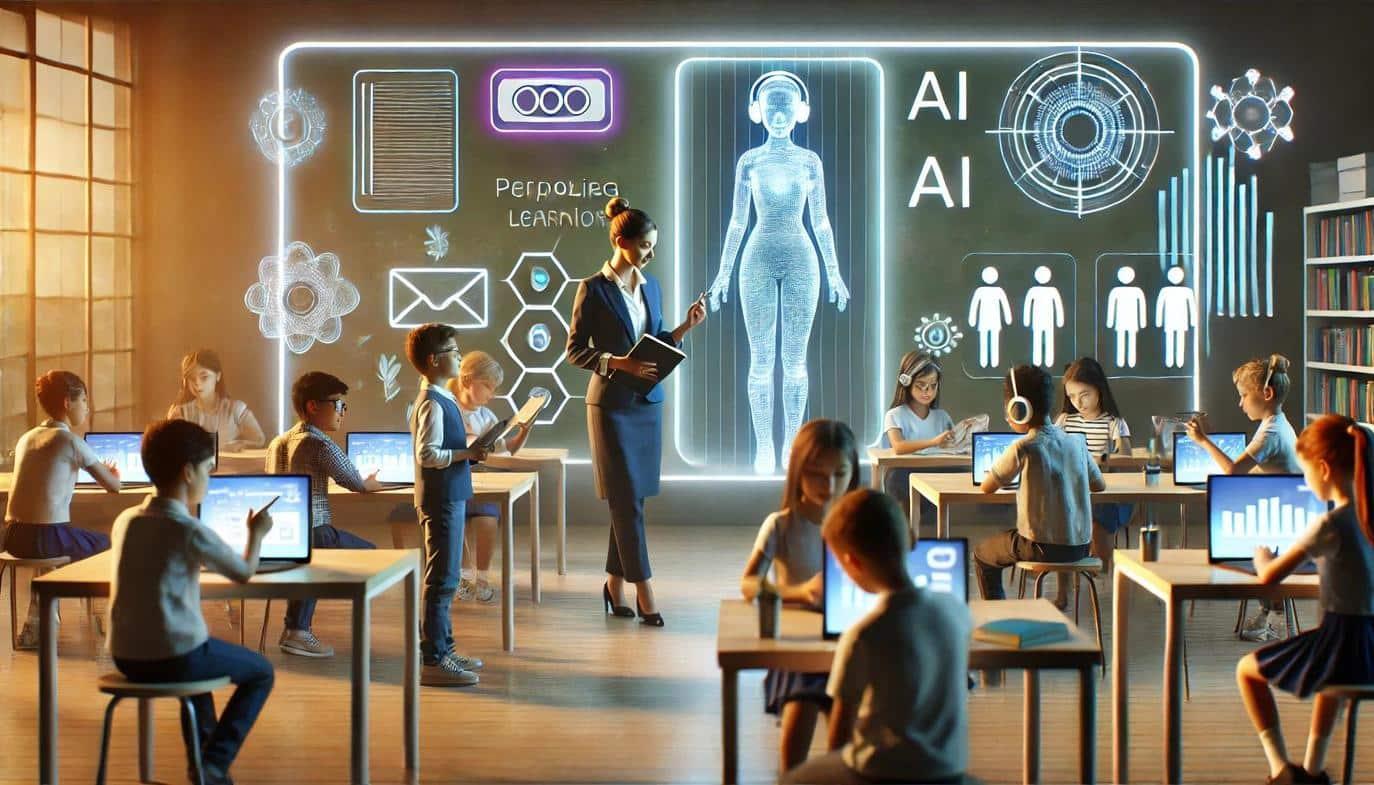
How to Train Teachers for Success in AI-Integrated Classrooms: Essential Strategies for 2024
AI-integrated classrooms are rapidly reshaping the landscape of education, promising innovative instruction methods, interactive learning, and personalized experiences for students. However, the crucial factor for the success of this transformation is the effective training of teachers who guide students in this new environment. As we enter 2024, it’s vital for schools, administrators, and educators to prioritize equipping teachers with the skills, confidence, and mindset needed for the AI-driven classroom. In this article, we explore essential strategies to train teachers for success in AI-integrated classrooms, practical tips, benefits, and real-life experiences to ensure your school stays at the forefront of educational excellence.
Why AI-Integrated Classrooms Demand a New Approach to Teacher Training
Unlike customary classrooms, AI-powered classrooms leverage clever technologies, such as adaptive learning platforms, machine learning tools, and chatbots, to enhance learning outcomes. This shift requires teachers to:
- Develop digital literacy and AI-specific competencies
- Understand ethical considerations and data privacy in educational technology
- Embrace a growth mindset to adapt to emerging tools and teaching methods
- Collaborate with AI systems to personalize learning and monitor student progress
Consequently, conventional professional development is no longer sufficient—schools must adopt targeted strategies for AI teacher training that align with current trends and technological advancements.
Essential Strategies for Training teachers in AI-Integrated Classrooms
1. Develop Structured AI-Focused Training Programs
Begin by designing PD (Professional Development) courses focused on AI tools,ethics,pedagogy,and classroom management. Effective programs typically include:
- Hands-on workshops with real AI tools like adaptive assessment software,analytics dashboards,or generative AI for curriculum support
- Online modules covering AI literacy,fundamentals of machine learning,and best practices for tech integration
- Ongoing mentorship from experienced tech coaches or digital learning specialists
2. Promote Collaborative Learning Communities
Foster an environment where teachers work together to share AI experiences and solutions.Encourage:
- Peer-to-peer sessions—teachers teaching teachers
- Regular roundtable discussions to strategically solve common challenges
- Engagement in global or regional AI in education forums and online communities
3. Emphasize Ongoing Professional Growth and Support
AI technology evolves rapidly. Offer recurring training, access to online resources, and incentives for continued learning. Popular approaches include:
- Quarterly AI innovation seminars
- Digital badges or certifications for completed AI training
- Dedicated help desks or tech support teams for classroom troubleshooting
4. Address Practical Ethical and Data Privacy issues
Integrate digital ethics and student data privacy into every training module. Teachers should know:
- How to interpret AI-generated insights without bias
- Best practices for protecting sensitive student information
- Legal frameworks, like GDPR, FERPA, and COPPA, that impact classroom data
5. Encourage Reflective Practice and Feedback Loops
Build a culture of continuous reflection and feedback. Use surveys, one-on-one coaching, and classroom observations to ensure teachers feel supported and heard throughout their AI integration journey.
Key Benefits of Effective Teacher Training in AI-Integrated Classrooms
Schools and educators who invest in complete AI training for teachers realize substantial benefits:
- Greater teacher confidence using and troubleshooting AI tools
- Enhanced student engagement via personalized, adaptive learning pathways
- Improved learning outcomes with data-driven instruction and feedback
- More efficient classroom management by automating administrative tasks
- Stronger digital citizenship and ethical awareness for teachers and students alike
Real-World Case Study: AI-Powered Learning in Action
Green Valley High School, a leading STEM institution in California, implemented a year-long AI training program for its educators in 2023. Through hands-on workshops and weekly mentorship sessions, teachers learned to integrate AI-driven assessment tools and adaptive lesson planning. The school reported a 27% improvement in student test scores and overwhelming positive feedback regarding the ease and effectiveness of new classroom AI systems.
Practical Tips for Implementing AI Teacher Training in 2024
- Assess baseline digital literacy: Use surveys or quizzes to gauge each teacher’s current comfort with technology and AI.
- Start small: Introduce one or two AI tools at a time to avoid overwhelming staff.
- Empower with choice: Let teachers select AI tools suited to their subject and teaching style.
- Provide real classroom examples: Demonstrate how AI can improve lesson plans, grading, and student support.
- Create safe spaces to experiment: Encourage innovation without fear of failure or negative evaluation.
- Collect and act on feedback: Regularly solicit input and adapt training methods and content accordingly.
First-Hand Experience: Voices from AI-Integrated Classrooms
“Learning to use AI tools felt daunting at first, but our school’s step-by-step training made all the difference. Now I can personalize lessons on the fly and have more time for meaningful student interactions.”
— Maria S., Middle school Math Teacher
“having a dedicated AI mentor accelerated my learning curve. sharing tips with colleagues allowed us to tackle challenges as a team and focus on what matters most—student learning!”
— David P., High School Science Teacher
The Future of Teacher Training: Preparing for the Next Wave of AI Innovation
Looking ahead, the need for future-ready educators will only intensify. Consider these emerging trends as you design or update your teacher training programs for AI-integrated classrooms in 2024 and beyond:
- AI-powered PD platforms: Adaptive online learning environments for teachers that personalize training content based on needs and competency gaps
- Virtual reality (VR) and simulation-based PD: Immersive experiences for practicing AI tool usage in realistic classroom scenarios
- Data-driven instructional coaching: Using AI analytics to pinpoint areas for growth and tailor coaching conversations
- state and district partnerships: Collaboration with local education authorities for ongoing funding, resource sharing, and policy alignment
Conclusion: Empower Teachers for AI-Driven success in 2024
The transformation to AI-integrated classrooms is not a distant future; it’s today’s reality. School leaders, policymakers, and educators must seize the opportunity to invest in rigorous, practical teacher training. With the right strategies—structured development, collaboration, continual support, ethical grounding, and feedback-driven growth—teachers will not only adapt but thrive in AI-powered environments.The result? Inspire confidence in your faculty, unlock student potential, and propel your school community to educational excellence as we embrace 2024 and beyond.
Ready to train teachers for AI classroom success? Begin today.your investment in professional growth is the best foundation for tomorrow’s learning innovation.