
How to Train Teachers to Use VR/AR Tools effectively: Best Practices and Tips
Virtual Reality (VR) and Augmented Reality (AR) technologies are revolutionizing education, making lessons more immersive, interactive, and memorable. However, leveraging these powerful tools starts with effective teacher training.Equipping educators to use VR and AR confidently ensures maximum impact on student engagement and learning outcomes. In this guide, we’ll explore the best practices for training teachers to use VR/AR tools, provide practical tips, and share real-world insights for prosperous implementation.
Table of Contents
- Why Train Teachers for VR/AR?
- Benefits of VR and AR in Education
- Best Practices for Training Teachers to Use VR/AR Tools
- Step-by-Step Training Strategies for Effective implementation
- Practical Tips for Trainers and Administrators
- Case Studies: VR/AR Teacher Training in Action
- Conclusion
Why Train Teachers for VR/AR?
Modern classrooms demand digital fluency.VR and AR can be intimidating, especially for educators who may not consider themselves tech-savvy. Investing in structured professional advancement ensures teachers feel empowered and are able to integrate immersive technology into their curriculum effectively, without disruption or frustration. comprehensive training leads to:
- Increased confidence in using novel technology.
- Better alignment with learning objectives and standards.
- Enhanced classroom management and technical troubleshooting skills.
- Greater overall adoption and sustained use of VR/AR tools.
Benefits of VR and AR in Education
Before training begins, it’s vital for teachers to understand the benefits of VR and AR in education. This context builds motivation and buy-in for further learning.
- enhanced engagement: Students interact with material in new, stimulating ways.
- Improved retention: Immersive experiences reinforce memory and comprehension.
- Accessible learning: Complex subjects (e.g., biology, history) become easier to visualize.
- Safe simulations: Practice dangerous or expensive activities in a virtual world.
- Collaboration: Collaborative VR/AR tasks foster dialog and teamwork.
- Differentiated instruction: VR/AR can support various learning styles and special needs.
When teachers recognise these advantages,they’re more likely to embrace VR/AR tools wholeheartedly.
Best Practices for Training Teachers to Use VR/AR Tools
To ensure that teacher professional development is both impactful and sustainable, consider the following best practices:
- Start with the basics: Introduce foundational VR and AR technology concepts before diving into classroom applications.
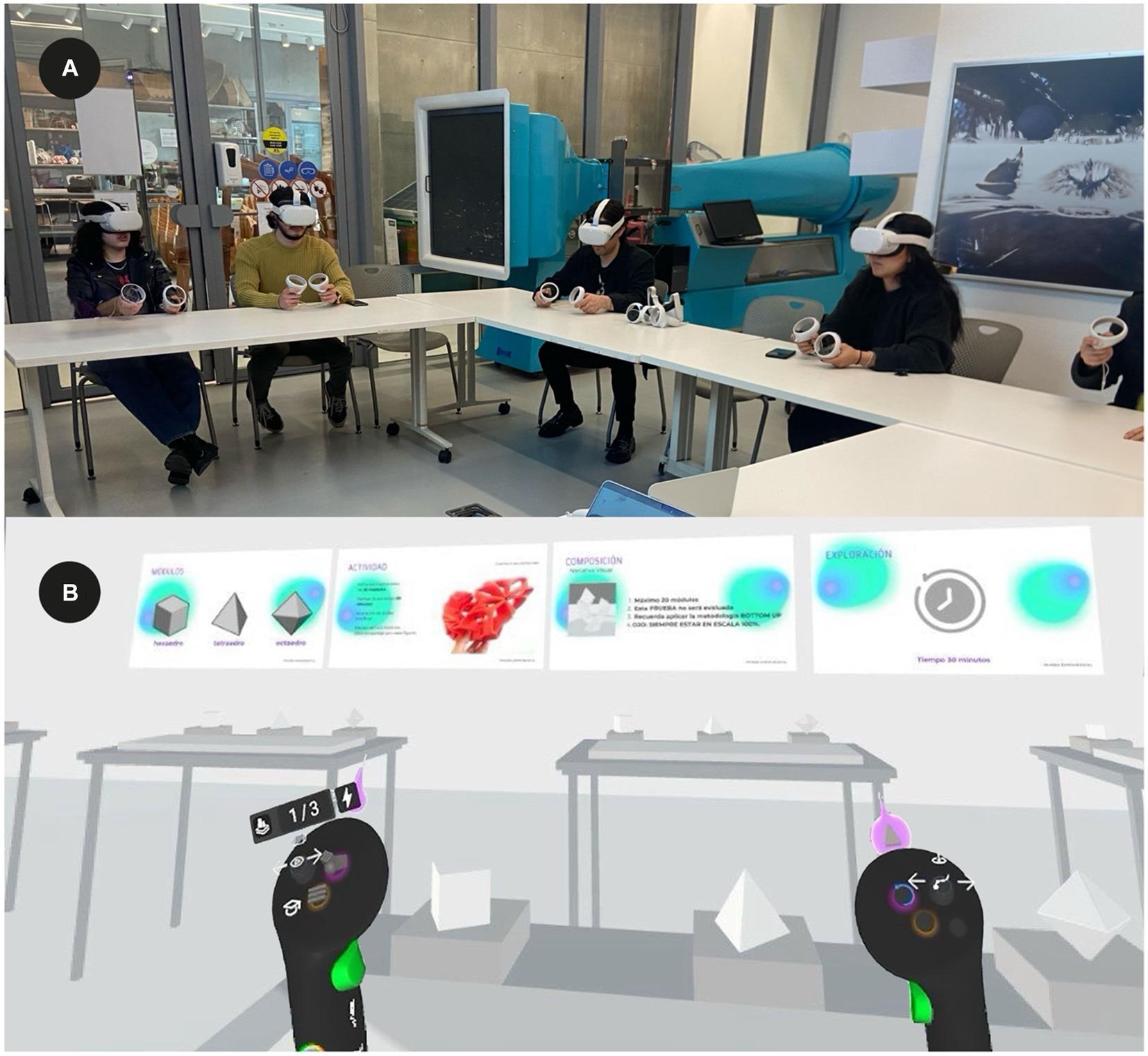
- Foster hands-on experience: Allow teachers to try devices and software in an informal, low-pressure setting.
- Align with curriculum needs: Customize training to fit specific subjects, grade levels, and curricular goals.
- Include classroom management tips: Discuss strategies for managing student behavior and ensuring device safety during VR/AR lessons.
- Provide ongoing support: Create access to on-demand help, user guides, and peer learning communities after initial training.
- Promote reflection: Encourage teachers to share feedback, discuss challenges, and showcase lesson successes.
recommended VR/AR Teacher Training Formats
- In-person workshops: Ideal for device demonstrations and collaborative activities.
- Online micro-courses: Self-paced modules cover hardware setup, integration ideas, and troubleshooting.
- Peer-led sessions: Teachers learn from colleagues who have already implemented VR/AR successfully.
- Vendor or expert webinars: leverage professional insights on the latest VR/AR tools for education.
Step-by-Step Training Strategies for Effective Implementation
Here’s a proven approach to training teachers on VR/AR technology in the classroom:
1. assess Training Needs
- Conduct a pre-training survey to determine teachers’ current comfort levels and aspirations for VR/AR use.
- Identify specific devices or platforms teachers want to learn (e.g., Meta Quest, Merge Cube, Google Expeditions, etc.).
2. Expose Educators to Immersive Experiences
- Let teachers participate as “students” in sample VR/AR lessons relevant to their subjects.
- Discuss the unique opportunities and challenges presented in these environments.
3. Demonstrate Hardware and Software Setup
- walk through safety procedures,device calibration,VR headset care,and classroom setup tips.
- Show how to access, download, and launch educational VR/AR content.
4. Connect Training to Curriculum
- brainstorm lesson plans and projects using VR/AR tools that align with existing standards.
- Encourage teachers to adapt or remix ready-made immersive lesson plans.
5.Offer Practice-and-Feedback Opportunities
- Have teachers design, deliver, and reflect on a mini VR/AR lesson for peer review.
- Provide constructive feedback and share best practices for improvement.
6. Support Community Building
- Create online groups or forums where educators can ask questions, exchange resources, and celebrate success stories.
- Assign tech ambassadors or “VR/AR champions” to mentor new adopters.
Practical Tips for Trainers and Administrators
- Keep sessions interactive: Avoid long lectures. Use real devices, group activities, and Q&A segments.
- Address common fears: Many teachers are concerned about breaking devices or losing control in class. Normalize these worries and provide clear solutions.
- Use simple, accessible language: Minimize jargon when explaining VR/AR concepts to non-experts.
- Showcase success stories: Highlight how teachers have used immersive tech to improve student outcomes.
- Encourage experimentation: Make it clear that learning is a continuous process, and minor setbacks are part of innovation.
- Prioritize digital citizenship: Include lessons on privacy, online safety, and responsible tech use in immersive environments.
Case Studies: VR/AR Teacher Training in Action
Learning from real-world examples helps teachers see the practical impact of VR/AR tools in education. Here are two brief case studies:
Elementary School (Science)
Challenge: Teachers at a public elementary school wanted to make science lessons more engaging.
Training Approach: The district organized weekly after-school VR workshops, where teachers tried out apps like “Titans of Space” and ”Google Expeditions” with each other. They collaborated on designing a virtual field trip to the solar system.
Results: 95% of participants reported increased subject engagement, and several went on to lead VR-focused clubs for students.
High School (History)
Challenge: History teachers sought ways to help students connect emotionally with past events.
training Approach: The school piloted an immersive VR module on Ancient Civilizations, following a blended training model: initial in-person demo, followed by online peer support groups.
Results: Student essays showed marked improvements in empathy and recall; teachers continued integrating VR with other lesson units.
First-Hand Teacher Experience
“What made the biggest difference for me was actually wearing the headset and seeing the student perspective. Training that let me play and then reflect was more effective than just watching slides or videos.”
– Emily,7th grade Teacher
Conclusion: Empowering Teachers for the Future of Education
Effective VR/AR teacher training empowers educators to transform customary lessons into remarkable immersive experiences. By providing hands-on practice, personalized support, and a supportive learning community, administrators and trainers can overcome barriers and drive meaningful adoption of educational technology.Ultimately, investing in teacher readiness with VR and AR tools leads to more engaged students, inspired teachers, and a future-ready learning environment.
Start your journey today by assessing your school’s training needs and creating an actionable plan for integrating VR and AR in your professional development program. With the right foundation, your educators will open doors to limitless interactive learning possibilities.
Looking for more professional development resources on VR/AR in education? subscribe to our newsletter and get the latest guides, case studies, and tips delivered straight to your inbox.