
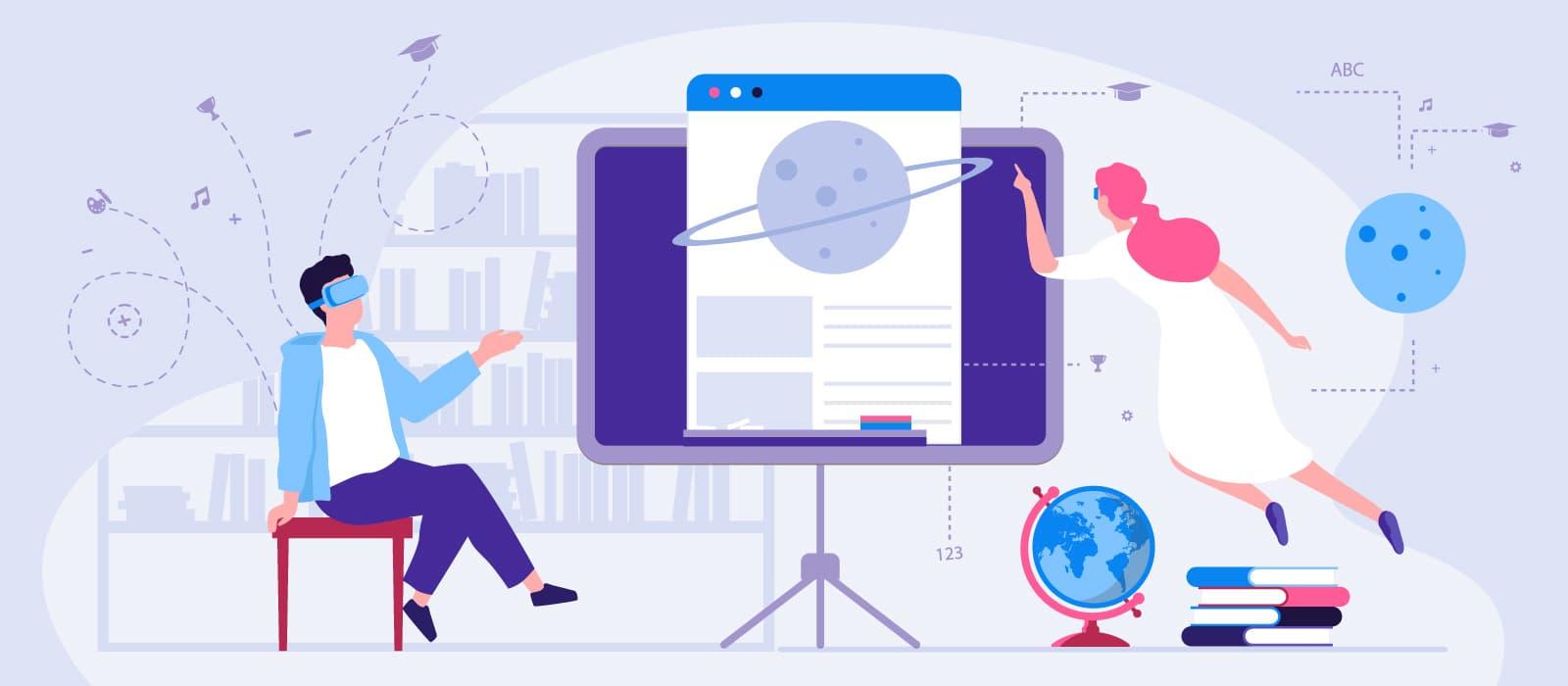
How to Train Teachers to Use VR/AR Tools Effectively: Best Practices for classroom success
Virtual Reality (VR) and Augmented Reality (AR) are revolutionizing education by fostering immersive, interactive learning experiences. However, the triumphant integration of these cutting-edge technologies in classrooms hinges on one essential factor: proper teacher training. In this extensive guide, we’ll explore the best practices for training educators to use VR and AR tools effectively, ensuring classroom innovation and student success.
Why VR/AR Training for Teachers Matters
Adopting VR/AR tools in the classroom isn’t just about introducing new technology; it’s about transforming the learning environment and enhancing engagement. Teachers who are well-versed in VR/AR can:
- Boost student motivation and interest with immersive lessons
- Facilitate complex concept visualization and understanding
- Encourage critical thinking,creativity,and collaboration
- Prepare students for careers in high-tech,digital industries
Without comprehensive professional development,however,these benefits may not be fully realized,making effective teacher training critical.
Best Practices for Training Teachers to Use VR/AR tools
1. Assess Teacher Readiness and tech Skills
Before launching VR/AR training programs, it’s crucial to evaluate each educator’s current level of technology proficiency. A baseline assessment helps trainers tailor content, choosing entry points that make teachers feel confident rather than overwhelmed.
- Conduct surveys to gauge familiarity with educational technology
- Host focus groups or interviews for more nuanced insights
- Identify digital champions who can support peers
2. Start With the basics: Demystifying VR/AR
Begin by explaining what VR and AR are, how they work, and their applications in education. Use simple, jargon-free language and real-life classroom examples to reduce intimidation and spark curiosity.
3. Hands-On, Interactive Training Sessions
The key to effective VR/AR professional development is experiential learning. Teachers should have direct access to devices and software,allowing them to explore firsthand how VR/AR platforms function.
- Schedule live demos with curated content
- Offer sandbox time for teachers to experiment with hardware (headsets, smartphones, tablets) and software
- Pair tech-savvy teachers with novices for collaborative learning
4. Focus on Pedagogical Integration
Training should not be limited to the technical aspects of VR/AR. Teachers must learn how to embed these tools purposefully into lesson plans to enrich learning outcomes.
- Align VR/AR activities with curriculum standards and learning objectives
- Demonstrate sample lesson plans and classroom scenarios
- Highlight strategies for assessment, differentiation, and feedback
5. Encourage Experimentation and Reflection
Create a safe space for educators to experiment without fear of failure. Post-training, organize reflection sessions and peer review to help teachers analyze what worked well and what coudl be improved.
- set up teacher working groups or communities of practise
- Share success stories and lessons learned through school newsletters or meetings
6. Provide Ongoing Support and Resources
VR/AR technology evolves rapidly, so sustained support is essential. offer ongoing access to resources, troubleshooting help, and regular updates.
- Maintain a digital resource hub with tutorials,lesson templates,and tips
- Organize refresher workshops and advanced training modules
- Ensure IT support is available for hardware/software issues
- Invite guest experts for webinars or Q&A sessions
7. Leverage Case Studies and Real-World Examples
presenting case studies helps teachers visualize the impact of VR/AR tools in actual classrooms. Consider sharing examples such as:
- Science: virtual field trips to remote ecosystems, AR simulations of molecular structures
- History: recreated ancient civilizations, interactive historical timelines
- Language arts: Storytelling worlds, immersive reading environments
Benefits of VR/AR Tools in the Classroom
Here’s a snapshot of why effective VR/AR training pays off for educators and students alike:
- Increased Engagement: Immersive environments boost attention and participation
- Enhanced Retention: Multi-sensory interaction strengthens memory and comprehension
- Inclusivity: Customized content can address diverse learning needs
- Real-World Relevance: Simulated scenarios prepare students for future challenges
Practical Tips for Maximizing Impact
- Start Small: Integrate VR/AR tools into a single lesson or unit before scaling up
- Collect Feedback: Survey students and teachers about their experiences and suggestions
- Share Resources: Use online communities and social media to swap best practices and challenges
- Stay Current: Subscribe to edtech newsletters and join VR/AR educator groups for the latest updates
First-Hand Experience: Voices from the Classroom
Many educators have shared that after initial apprehension, structured VR/AR training made technology integration not only possible but transformative. Here’s what some have experienced:
- “The hands-on workshops helped me realize how easy it was to get started with VR. my students are more motivated than ever!” – Lisa,Middle School Science teacher
- “The support from colleagues and being able to practice without pressure made all the difference in building my confidence.” – Nathan, High School History Teacher
- “Access to lesson templates and pedagogical tips ensured that VR/AR tools fit seamlessly with my teaching style.” – Priya, Primary School Educator
Challenges to Consider When Training Teachers
While VR/AR have great potential, some challenges remain:
- Resource Constraints: Not all schools can afford high-end equipment; seek affordable or BYOD options
- Time: Teachers need dedicated time for training and lesson planning
- Technical Issues: Ensure robust technical support to minimize disruptions
- Change Management: Address resistance through clear communication and exhibition of value
Conclusion: Empowering Educators with VR/AR Success
Unlocking the full potential of VR/AR tools in education begins with high-quality teacher training. By fostering a culture of curiosity, collaboration, and continuous learning, educators can confidently harness immersive technology to spark innovation and improve student outcomes. Prioritizing best practices—like hands-on experience, pedagogical integration, ongoing support, and real-classroom examples—ensures that teachers are equipped for classroom success.
Ready to transform learning with VR/AR tools? Invest in teacher training today, and watch your classrooms come alive with new possibilities!