
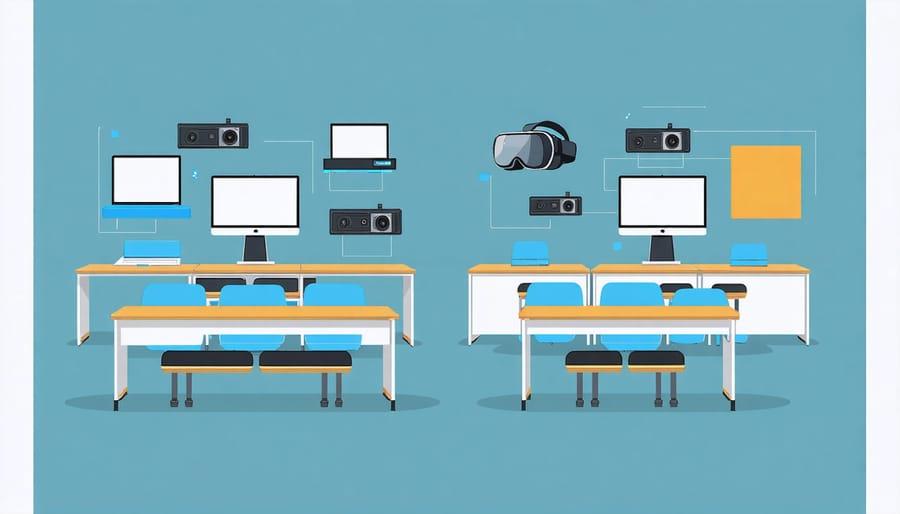
How to Train teachers to use VR/AR Tools Effectively: Best Strategies for Classroom Success
Virtual Reality (VR) and Augmented Reality (AR) are revolutionizing the modern classroom, promising immersive and engaging learning experiences. Yet, the successful implementation of VR and AR technology depends heavily on properly trained educators. Without effective teacher training,even the most advanced educational technology can fall flat. In this guide, we’ll explore the best strategies to train teachers to use VR/AR tools effectively, ensuring classroom success, student engagement, and lasting educational impact.
Why Train Teachers in VR/AR tools?
- Bridging the Digital Divide: Not all educators feel comfortable with emerging technologies. VR and AR training programs level the playing field and increase tech confidence.
- Maximizing Classroom Impact: Proper training unleashes the full potential of VR/AR for immersive lessons, hands-on experiments, and experiential learning.
- Future-Proofing Teaching Skills: As digital resources continue to grow, equipping teachers with VR/AR skills ensures they stay relevant in a rapidly evolving educational landscape.
- Enhancing Student Learning Outcomes: Teachers who confidently use VR/AR can better engage students, promote collaboration, and inspire creativity.
Best Strategies for Training Teachers to Use VR/AR Tools Effectively
1. Offer Hands-On, Experiential Workshops
The best way to demystify VR/AR technologies is through interactive, hands-on workshops.Instead of passively listening to presentations, teachers should use actual VR headsets, AR apps, and classroom-ready content. Workshops should include:
- Guided VR/AR lesson simulations
- Breakout sessions for troubleshooting and Q&A
- Peer-to-peer collaboration exercises
- Opportunities to design their own mini VR/AR lessons
2. Incorporate Ongoing Coaching and Mentorship
One-off training sessions can spark initial enthusiasm, but regular coaching cements long-term change. Assign technology coaches or VR/AR champions—teachers with more experience—to provide just-in-time support,answer questions,and help integrate VR/AR tools seamlessly into lesson plans.
3. Provide Access to Curated VR/AR Resources
Equip teachers with a curated digital library of VR/AR classroom applications, lesson plans, and video tutorials. These resources should be accessible,categorized by subject/grade,and frequently updated to reflect new tools and trends.
4. Scaffold Training for All Expertise Levels
Not every teacher starts at the same point. Create tiered training modules—beginner, intermediate, and advanced—so that every educator can progress at their own pace. This ensures that both tech-savvy teachers and digital novices benefit equally.
5. Celebrate Successes and Build a Community of Practice
Encourage teachers to share their VR/AR success stories, lesson ideas, and student feedback—whether through school assemblies, internal blogs, or staff meetings. Building a community of practice boosts morale and accelerates the spread of creative teaching techniques.
Practical Tips for Effective VR/AR Teacher Training
- Start Small: don’t overwhelm teachers with advanced features first. Begin with simple VR/AR apps relevant to their curriculum.
- Address technical Challenges: Troubleshoot common issues during training (hardware setup, software updates, Wi-Fi connectivity).
- Blend Theory with Practice: Explain the pedagogical benefit of immersive learning—how VR/AR can boost student engagement, foster curiosity, and deepen understanding.
- Integrate Assessment: Show teachers how to measure learning outcomes in VR/AR lessons to ensure effectiveness.
- Prioritize Accessibility: Highlight options for students with disabilities and ensure materials are inclusive.
- Encourage Experimentation: Allow teachers to adapt and experiment with VR/AR, even if it means occasional failure—growth happens through experimentation.
Key Benefits of VR/AR Training for Teachers and Students
- Increased Teacher Confidence: Well-trained teachers are more likely to integrate VR/AR meaningfully and often.
- Enhanced Student Engagement: Immersive lessons make abstract concepts tangible, sparking student curiosity and critical thinking.
- Improved Learning Outcomes: Students retain information better through experiential learning and are more likely to participate.
- Fostering Collaboration: Many VR/AR tools are designed for group activities, supporting teamwork and communication skills.
- Preparation for Future Careers: Exposure to emerging technologies equips students with digital skills valued in the modern workplace.
Case Studies: Successful VR/AR Teacher Training Initiatives
Case Study 1: Empowering Educators in a Public School District
A large urban school district piloted a year-long VR teacher training program. Monthly workshops, paired with peer-mentorship and access to a shared repository of VR lesson plans, resulted in:
- 91% of participating teachers reported increased confidence using VR in the classroom
- Student engagement rates rose by 35% in classes using VR modules
Case Study 2: AR in STEM Education
at a private STEM academy, AR tools were introduced to support biology and chemistry lessons. After three months of targeted, scaffolded training:
- All science teachers included at least one AR activity per unit
- Assessment scores improved by an average of 18% compared to previous years
First-Hand Experience: Educator Testimonial
“Before my district’s VR training, I was intimidated by the technology. But the hands-on workshops and mentorship helped me see how VR could make history come alive for my students. Now, I use VR field trips regularly, and class participation has soared.”
— Lisa M., Middle School Social Studies Teacher
Conclusion: The Path to VR/AR Classroom Success
Equipping teachers with effective VR/AR training is essential for maximizing the educational impact of immersive technology. By emphasizing hands-on experience, continuous coaching, resource sharing, and community building, schools can empower educators to transform their teaching methods. When teachers are confident and skilled in VR/AR tools, the result is more dynamic, engaging, and impactful classrooms—setting students up for success in a digital world.
Implement these best strategies for VR/AR teacher training, and your institution will be well on its way to unlocking the full promise of immersive learning.