
How UX Designers Are Revolutionizing edtech: Enhancing Digital Learning Experiences
As digital transformation sweeps through education,the demand for skilled UX designers in EdTech is reaching unprecedented heights. Universities, colleges, and schools now recognize the critical role these professionals play in crafting intuitive, engaging, and effective digital learning environments. For job seekers interested in carving out a rewarding career in educational technology, understanding how UX designers are driving change is essential to gaining a competitive edge in today’s hiring landscape.
Introduction: The Growing Importance of UX Design in education Technology
The intersection of user experience (UX) design and education technology (EdTech) is rapidly reshaping the way students and educators interact wiht digital tools. With remote learning, classroom management platforms, virtual campuses, and online courses becoming the norm, the demand for top-tier digital learning experiences is undeniable. In this dynamic field, UX designers have emerged as key innovators, tackling challenges such as accessibility, engagement, and usability.
EdTech companies and institutions are actively seeking UX design professionals who can create intuitive educational interfaces, personalize learning journeys, and maximize student outcomes. If you’re passionate about both education and technology, a career as a UX designer in educational settings might be your perfect fit.
What is UX Design in EdTech?
UX design, or User Experience Design, focuses on optimizing how users interact with digital products and services. In the context of EdTech,this means crafting teaching and learning tools—like online learning platforms,digital classrooms,and e-learning apps—to be functional,accessible,and enjoyable for teachers,students,and administrators.
- Usability: ensures that platforms are easy to navigate for all users, regardless of technical ability.
- Accessibility: Designs must be inclusive, supporting students with diverse needs.
- Engagement: Incorporates gamification,interactive elements,and personalization to foster motivation and participation.
Schools,colleges,and universities rely on UX designers to bridge the gap between technology and effective pedagogy,transforming digital products into powerful learning tools.
The Role of UX Designers: Revolutionizing Digital Learning
UX designers bring a human-centered approach to the development of EdTech products. By putting students and educators at the forefront of the design process, they create experiences that boost comprehension, retention, and satisfaction. Here are some ways UX designers are revolutionizing education technology:
1. Creating intuitive Learning Platforms
UX designers simplify navigation, streamline workflows, and remove friction from digital learning environments.This means:
- Minimizing clicks needed to access lessons, assignments, or resources.
- Designing clean, distraction-free interfaces.
- Providing accessible menus for different user roles (students, teachers, admins).
2.Designing for Accessibility and Inclusivity
Accessibility is paramount in education. UX professionals ensure that digital platforms:
- Support screen readers and alternative input devices.
- Offer customizable fonts and colors for users with visual impairments.
- Comply with international accessibility standards such as WCAG.
3. Streamlining Collaboration and Communication
Modern EdTech platforms often serve as digital hubs where students and educators collaborate. UX designers enhance these experiences by:
- facilitating real-time feedback, discussion forums, and group projects.
- Integrating messaging tools that support active communication.
- Designing notification systems that keep users informed without overwhelming them.
4. Boosting Engagement and Motivation
UX designers use techniques like gamification, progress tracking, and personalized recommendations to make digital learning more compelling. Examples include:
- Badges and achievement systems that recognize student milestones.
- Adaptive content suggestions based on individual performance.
- Interactive quizzes and multimedia lessons to vary learning formats.
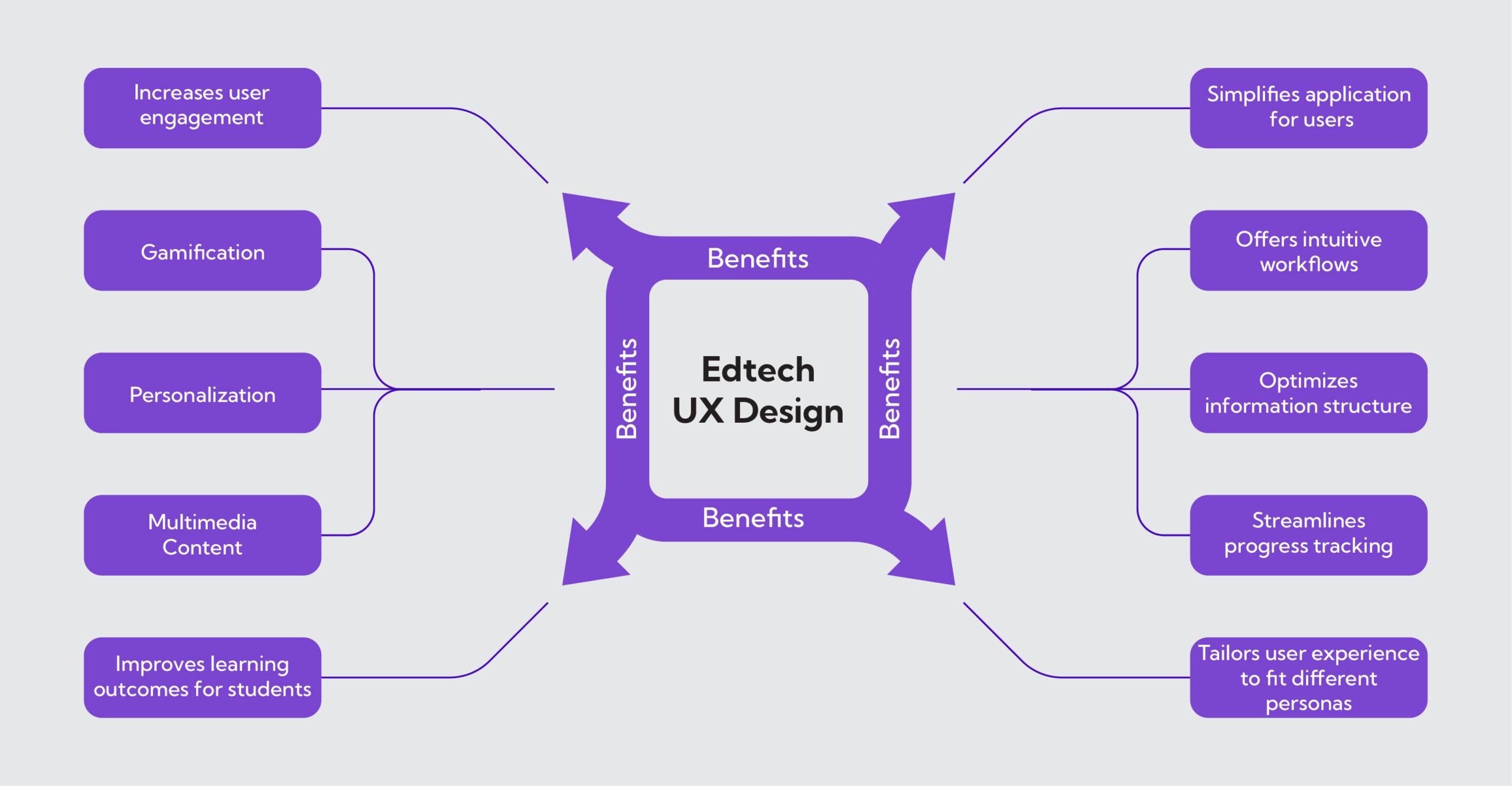
The Benefits of UX-Driven EdTech for Institutions and Learners
Investing in strong UX design yields tangible benefits for educational institutions and learners alike:
- Higher Student Satisfaction: Learners are more likely to enjoy and complete courses when interfaces are intuitive and engaging.
- Reduced Support Costs: Well-designed platforms reduce technical difficulties and help requests, freeing up staff resources.
- Improved Accessibility: Inclusive design ensures that no student is left behind, meeting educational equity goals.
- Better Learning Outcomes: Thoughtful design aids knowledge retention and fosters deeper understanding.
- Competitive Advantage: Schools and colleges with excellent digital experiences attract and retain more students.
Job Opportunities for UX Designers in Education Technology
The rise of remote learning and digital transformation means that job openings for UX designers in EdTech are abundant. universities, colleges, K-12 schools, and EdTech companies offer roles such as:
- UX/UI Designer – Designing interfaces for online classrooms, campus portals, and virtual libraries.
- Product Designer – Overseeing the overall experience of educational products from concept to launch.
- Accessibility Specialist – Ensuring platforms meet all students’ needs, including those with disabilities.
- Instructional Designer with UX Focus – Blending learning theory with good design practices.
Professionals with backgrounds in human-computer interaction, graphic design, or education often transition successfully into these roles. Combining UX know-how with an understanding of academic environments is highly valuable.
Practical Tips: How to Get Hired as a UX Designer in EdTech
Aspiring UX designers can improve their prospects for landing a job in educational technology by following these practical steps:
1. Build a Relevant Portfolio
- Showcase design work for e-learning platforms, apps, or LMS interfaces.
- Highlight projects that demonstrate accessibility, usability, and user-centered research.
- Include case studies that detail your design process and outcomes.
2. Gain experience in education Contexts
- Collaborate with schools or colleges on digital initiatives as a volunteer or contractor.
- Seek internships at EdTech companies, nonprofits, or academic innovation centers.
- Partner with educators to understand real classroom challenges.
3. Stay Up-To-Date on EdTech Trends
- Read industry publications, attend webinars, or participate in EdTech conferences.
- Familiarize yourself with popular educational tools (LMS, student portals, adaptive learning platforms).
- Follow thought leaders in education technology design.
4. Demonstrate soft skills
- Communicate effectively with diverse stakeholders (teachers, students, administrators).
- Practice empathy and collaborative problem-solving.
- Use feedback constructively to iterate on your designs.
Essential Skills for UX Designers in Education Technology
- Proficiency with design tools: Use software like Figma,Sketch,Adobe XD,and InVision.
- User research expertise: Conduct interviews, usability tests, and surveys with students and educators.
- Understanding of accessibility standards: Familiarity with WCAG, ADA requirements, and inclusive design practices.
- Knowledge of pedagogical principles: Align digital experiences with educational best practices and curriculum goals.
- Ability to prototype rapidly: Build and iterate functional prototypes for testing new ideas.
The Future: How UX Will Continue to Shape EdTech
As educational institutions evolve,the scope of UX design in edtech will only grow. The future promises:
- AI-Powered Learning: UX designers will tailor adaptive algorithms to student needs.
- Virtual and Augmented Reality: Designing immersive learning environments for subjects from science to arts.
- Expanded Accessibility: Emerging tech will further support diverse learning styles and physical abilities.
- data-driven Personalization: UX will leverage analytics to recommend content and track progress.
conclusion: Why Pursuing a UX Design Career in EdTech is Worthwhile
UX designers are redefining education technology in universities, colleges, and schools by making digital learning both effective and enjoyable for users of all ages. Their expertise delivers profound benefits to institutions, educators, and above all, students. By focusing on accessibility, engagement, and usability, UX designers enable academic success in a digital world.
If you’re seeking a fulfilling job in EdTech that combines creativity, technology, and educational impact, the role of a UX designer for schools and colleges offers vast potential. With rising demand, diverse job opportunities, and the chance to make a real difference, now is the perfect time to join this innovative field and help shape the future of education for generations to come.