
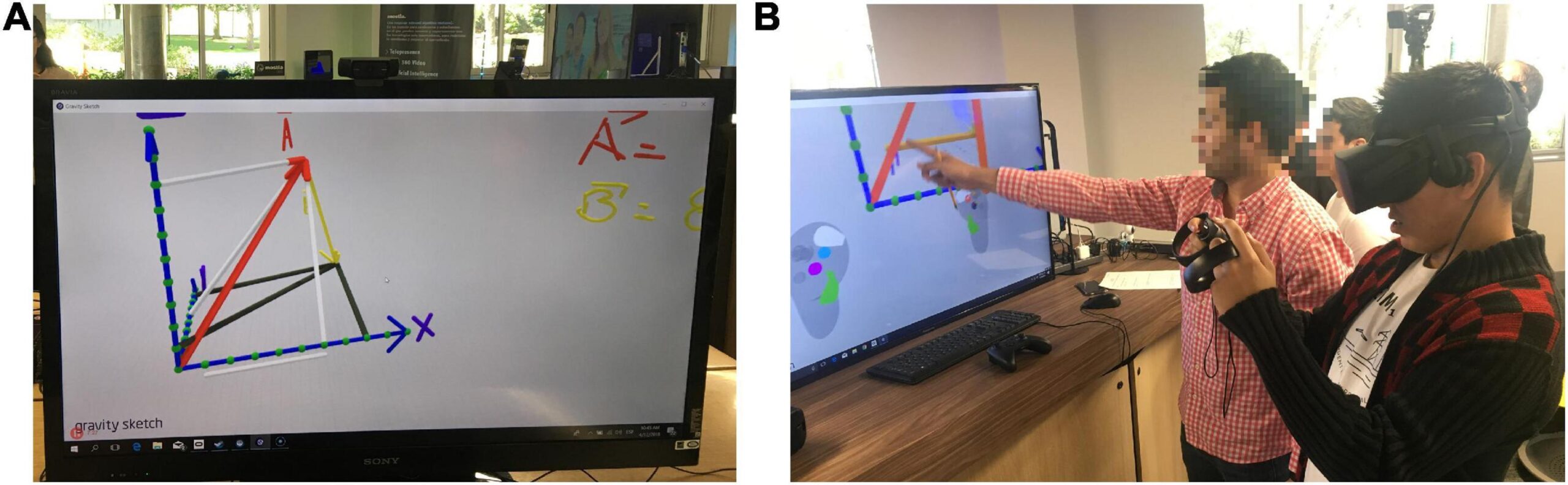
How Virtual Reality Boosts student Engagement and Retention: Key Benefits and Insights
Introduction: The Rise of Virtual Reality in Education
technologies like virtual Reality (VR) are rapidly changing the landscape of education. As educators and institutions seek innovative strategies to enhance student engagement and retention, VR is emerging as a powerful tool. By immersing learners in interactive, 3D environments, virtual reality makes learning not only more interactive but also more memorable.
In this article, we will explore how virtual reality boosts student engagement and retention, uncover the key benefits, provide practical implementation tips, and share compelling real-world case studies. Whether you’re an educator, school administrator, or a technology enthusiast, discover why VR is transforming classrooms and how you can leverage its potential.
Why virtual Reality is a Game Changer for Student Engagement
Student engagement remains one of the top challenges for educators. Passive learning often leads to disinterest, lower participation, and reduced knowledge retention. Virtual reality, though, offers immersive educational experiences that keep students captivated and motivated to learn.
- immersive Learning: VR creates virtual environments where students can explore, experiment, and interact, making lessons come alive.
- Active Participation: Customary lectures are replaced with hands-on experiences, promoting critical thinking and problem-solving.
- Personalized Learning: VR adapts to individual learning styles, allowing customized, self-paced exploration that increases motivation.
“VR puts students inside the story, the ancient event, or the science lab rather than just looking at it. This drastically increases engagement and understanding.” — dr. Graham White, EdTech Specialist
Key Benefits of Virtual Reality in Enhancing Retention
Besides engagement, VR technology for education excels in improving knowledge retention.Here’s how virtual reality creates long-lasting learning experiences:
1. Multi-Sensory Experience
- Involves sight, sound, and motion, appealing to both visual and kinesthetic learners.
- Activates more areas of the brain, making data stick better.
2. Contextual Learning
- By situating learning within real-world contexts (e.g., historical sites, scientific phenomena), VR helps students build stronger mental connections.
3. Immediate Feedback and Reinforcement
- Students receive instant feedback via simulation, which reinforces learning in real-time.
- Mistakes become learning opportunities, as VR environments are safe for trial and error.
4. Enhanced Memory Recall
- Studies show immersive environments significantly improve long-term memory and recall accuracy.
- VR-based repetition is more engaging,leading to deeper learning pathways.
Real-World Case Studies: Virtual Reality in the classroom
Let’s look at how schools and universities around the world are successfully using virtual reality for student engagement and retention:
1. Biology Lessons at Arizona State University
ASU uses VR simulations for biology experiments. Students dissect virtual frogs and examine cells in 3D space. the result? A 35% increase in test scores and higher student satisfaction compared to traditional lab methods.
2. Virtual Field Trips at K12 Schools
Many public schools have implemented VR field trips, allowing students to explore ancient egypt, walk through the solar system, or visit famous museums—without leaving the classroom.
- Engagement Boost: Teachers report increased participation and enthusiasm during VR lessons.
- Accessibility: Students with disabilities experience places they couldn’t physically travel to before.
3. Medical Training at University College London
Medical students practice surgery using VR simulations. They develop real-world skills, receive instant feedback, and report significantly higher retention rates than with textbook learning alone.
Practical Tips for Implementing VR in Education
Ready to introduce virtual reality technology in your classroom? Follow these best practices for effective integration:
- Start Small: Begin with a pilot program using cost-effective VR headsets and free apps to gauge student interest.
- Choose Content Wisely: Select VR experiences aligned with curriculum goals and learning outcomes.
- Incorporate Collaboration: Encourage group learning through multi-user VR environments.
- Ensure Accessibility: Make sure VR tools are user-friendly and accessible for all students,including those with disabilities.
- Offer Training: Provide professional development for teachers to maximize VR effectiveness in lesson planning.
First-Hand Experience: What Students and Teachers Say About VR
Direct feedback from classrooms highlights the benefits of VR in education:
“With VR, I feel like I’m really in the rainforest studying animals up close, not just looking at pictures in a book. It makes me remember more and want to learn more.” — Sarah, Grade 7 Student
“Implementing VR lessons transformed my teaching approach. Students who were usually quiet and distracted became active participants.Retention of key concepts noticeably improved.” — Daniel B., High School Biology Teacher
Challenges and Solutions
While VR offers many advantages, it’s vital to address challenges:
- Budget Constraints: Start with affordable cardboard headsets or leverage smartphone-based VR solutions.
- Technical Issues: Partner with IT for setup and troubleshooting. Choose reliable hardware/software.
- Content Limitations: Collaborate with content developers or use platforms like Google Expeditions to access a wide range of educational VR modules.
Conclusion: embracing the Future of Learning with Virtual Reality
Virtual reality in education is more than a technological fad—it’s a revolution in how students learn, engage, and retain information. By offering immersive, interactive experiences, VR captivates students and helps them build long-lasting knowledge. Schools and universities integrating VR see higher levels of engagement, improved retention rates, and better overall learning outcomes.
As technology advances and becomes more accessible, educators have an exciting opportunity to leverage VR in classrooms, shaping future generations of innovative, motivated learners.Now is the time to embrace virtual reality for student engagement and retention—unlocking new possibilities in education.