
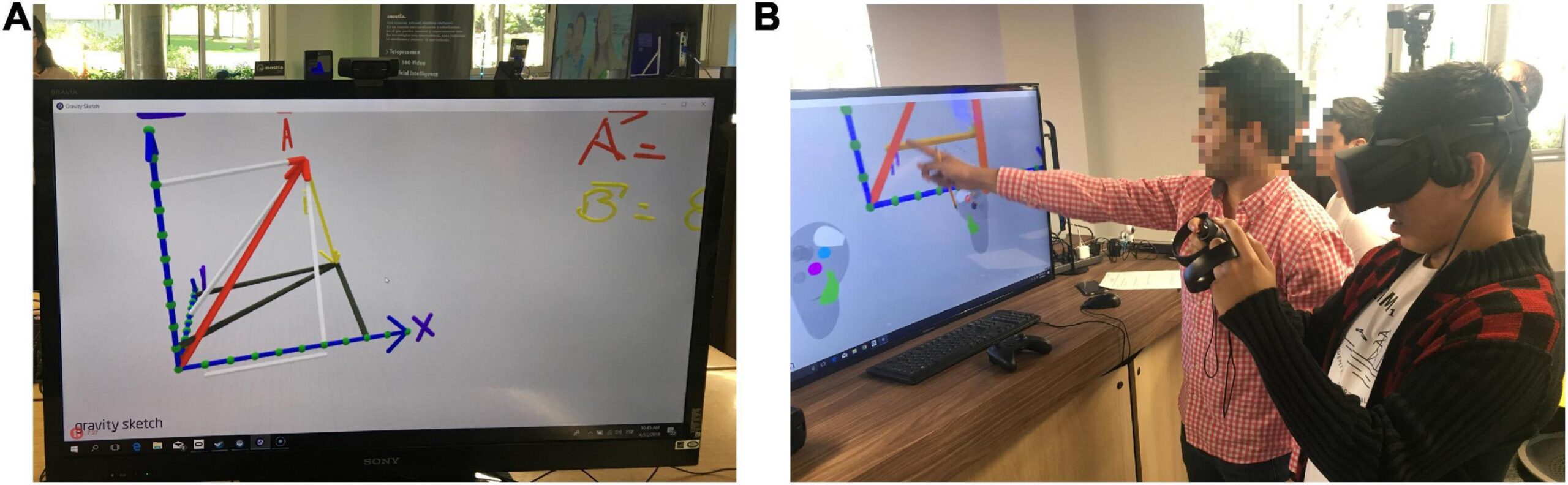
How Virtual Reality Boosts Student Engagement and Retention: Key Impacts Explained
Explore the groundbreaking ways virtual reality transforms education by increasing student engagement and improving retention rates. Learn about VR’s benefits, real stories, and actionable tips for schools and educators.
Introduction: the rise of Virtual Reality in Education
In today’s digital landscape, virtual reality (VR) in education is emerging as a game-changer. by blending interactive technology with traditional learning, VR offers students immersive experiences that textbooks alone can’t deliver. This unprecedented evolution is not only captivating students’ attention but also significantly enhancing retention and learning outcomes.
But how exactly does VR impact student engagement and retention? This article delves into the key impacts, supporting research, real-world examples, and practical tips for successfully implementing VR in the classroom.
Key Impacts of Virtual Reality on Student Engagement
1. Immersive Learning Experiences
- Sensory-Rich Environments: VR creates 3D worlds where students can explore, touch, and manipulate objects, making learning deeply engaging.
- Active Participation: Instead of passively absorbing information, students interact with virtual environments, which increases focus and time-on-task.
- Personalized learning: VR adapts too individual learners, offering tailored challenges and pacing, ensuring each student remains engaged.
2. Enhanced Motivation
- Interactive Storytelling: Experiences like virtual field trips or past reenactments spark curiosity and enthusiasm for subjects.
- Gamification: VR learning environments frequently enough integrate game-like elements, rewarding students with points, badges, or progress milestones.
- Immediate Feedback: Virtual reality platforms provide instant feedback,allowing students to learn from mistakes and improve skills on the spot.
3. Inclusive and Collaborative Learning
- Accessible Simulations: VR makes complex or unfeasible-to-reach scenarios accessible to all students, irrespective of physical location.
- Collaborative Tasks: Students can work together in shared virtual spaces, building teamwork and communication skills.
4. Emotional Engagement
VR experiences tap into students’ emotions by offering powerful narratives and realistic simulations, increasing empathy and the emotional connection to the subject matter. This emotional layer is a critical driver of retention and overall engagement.
How Virtual Reality Improves Student Retention Rates
The use of virtual reality in the classroom doesn’t just make lessons more enjoyable; it also significantly improves how much students remember.
- Multisensory Learning Enhances memory: Engaging multiple senses has been shown to improve knowledge recall.In VR environments, students see, hear, and interact with content.
- Active Learning = deeper processing: By “learning by doing,” students process information at a deeper cognitive level, which greatly improves retention.
- Real-World Application: VR bridges the gap between theory and practice—medical simulations, engineering tasks, and language immersion all reinforce learning through real-world experiences.
- Repetition Through Safe Practice: Students can repeat challenging scenarios as many times as needed without real-world risks, solidifying understanding and boosting confidence.
Research-backed insight: A 2020 study published in the Computers & Education journal found that students using VR scored 20% higher on retention tests compared to traditional learning methods.
Benefits of Using Virtual Reality in the Classroom
- Breaks Learning Barriers: Simulates hazardous science experiments, ancient civilizations, or distant planets safely and cost-effectively.
- Supports Various Learning Styles: Visual, auditory, and kinesthetic learners all benefit from VR’s blended approaches.
- Helps Students with Diverse Needs: Customizable scenarios support students who have learning disabilities or need extra engagement.
- Promotes Long-Term Engagement: Keeps students coming back for more, improving attendance and overall academic enthusiasm.
Real-World Case studies: VR’s Success in Education
Princeton University — Virtual Field Exploration
By using VR headsets, geology students at Princeton conducted simulated fieldwork in locations they couldn’t physically access. The results? engagement levels soared, and students reported greater confidence in applying textbook concepts to real-world sites.
Stanford Virtual Human Interaction Lab
Stanford researchers found that students who learned about ocean acidification via VR not only scored better on retention tests but were also more likely to advocate for environmental stewardship, highlighting VR’s power to drive real-world behavior change.
Medical Schools Worldwide
VR is now standard in many medical programs for surgical training and anatomy. It allows repeated, risk-free practice, which reduces anxiety and increases information retention—saving lives by improving doctor preparedness.
First-Hand Experiences: Educators Weigh In
“After introducing VR simulations into our biology curriculum, I noticed students engaging more during and after the lessons. They started asking deeper questions and collaborating outside class time to explore more.”
— Ms. Lin, High School Science teacher
“For students with learning differences, VR provides a safe, judgment-free space to experiment and learn at thier own pace. I’ve seen breakthroughs that never happened with traditional methods.”
— Mr.Patel, Special Education Instructor
Practical Tips for Implementing Virtual Reality in Education
- Start Small: Pilot a single VR module, such as a virtual field trip or science lab, before scaling up.
- Select Curriculum-aligned Content: Choose VR resources that directly connect to lesson goals and learning outcomes.
- Integrate with Existing Methods: Use VR to supplement—rather than replace—classroom discussion, group work, and project-based learning.
- Train Educators: Invest in professional development to help teachers maximize VR’s benefit and troubleshoot common challenges.
- Gather Student Feedback: Regularly solicit input to refine your approach and ensure VR activities are delivering the intended engagement and retention results.
Conclusion: The Future of Learning is Immersive
As educational technology continues to evolve, virtual reality in education stands out as a powerful tool for both boosting student engagement and maximizing retention rates. by creating immersive,interactive,and emotionally resonant learning environments,VR bridges the gap between theory and practice.
schools and institutions that embrace this technology will not only prepare students for future careers but also foster a lifelong love of learning. As more research and case studies affirm its value, integrating VR into classrooms is becoming less of a luxury and more of a necessity for impactful, meaningful education.
Ready to boost engagement and retention in your classroom? Now is the perfect time to explore what VR can do for your students.