
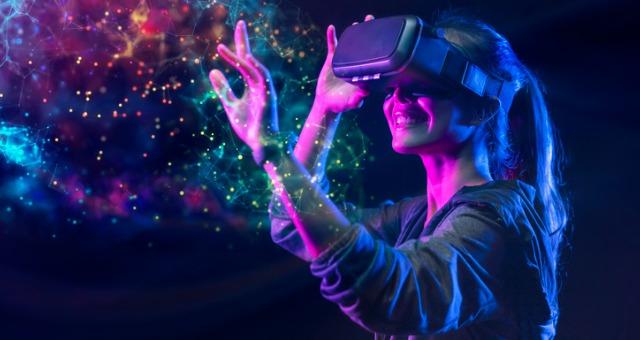
how Virtual Reality boosts Student Engagement and Retention: The Game-Changing Impact of VR in Education
Education is rapidly evolving in the digital age,thanks to cutting-edge technologies like virtual reality (VR). As educators seek dynamic strategies to engage students and improve retention, VR emerges as a powerful, immersive tool that not only captures attention but also deepens understanding. In this thorough guide, we’ll explore how virtual reality enhances student engagement and retention, examine real-life case studies, and offer practical tips for implementing VR in modern classrooms.
Why Virtual Reality Matters in Education
Virtual reality in education goes beyond gaming—it transports students into interactive, 3D environments where learning becomes a hands-on experience. This advanced technology is a game changer, especially in an era where traditional methods struggle to maintain student attention.
- immersive experiences: VR allows students to “travel” to distant lands, explore ancient eras, and simulate real-world scenarios.
- Multisensory learning: VR incorporates visual, auditory, and sometimes even tactile feedback, catering to different learning styles.
- Personalized education: Adaptive VR programs enable customized challenges and pacing to suit individual student needs.
The integration of VR technology in schools is steadily increasing as educators recognize its potential to make learning memorable and interactive.
How VR Boosts Student Engagement and Retention
VR isn’t just about flashy visuals—it’s backed by cognitive science. Here’s how virtual reality boosts engagement and retention:
-
Active Participation:
Rather than passively listening to lectures, students manipulate objects, solve problems, and make decisions within the VR surroundings. This active involvement fosters deeper understanding.
-
Emotional Connection:
Immersive,realistic simulations trigger emotional responses,which are proven to strengthen memory retention.
-
Instant Feedback:
Students receive immediate responses to thier actions,promoting continuous,adaptive learning.
-
Focus and Attention:
VR environments minimize outside distractions, compelling students to focus on the task at hand.
Did you know? A recent study by pwc found that learners trained with VR were four times faster at learning than in traditional classrooms and felt 3.75 times more emotionally connected to the content.
benefits of Using VR in the Classroom
Implementing VR in education offers numerous advantages for educators and learners alike.
Key Benefits of VR in Education:
- Deepens Understanding: Complex STEM concepts, anatomy, historical events—all become easier to grasp through immersive, first-hand experiences.
- Improves Accessibility: VR can level the playing field for students with disabilities by providing customizable, inclusive experiences.
- Encourages Collaboration: Many VR platforms feature multiplayer or “classroom” modes, allowing for teamwork and peer learning.
- Safe Practice Environments: Students can make mistakes and learn from them—especially useful for medical, engineering, or hazardous scenario training.
- Increases Motivation: Gamified VR lessons tap into students’ intrinsic motivation, making them excited to learn.
- Prepares Students for Future Careers: As VR becomes common in professional training (such as for pilots, surgeons, or architects), early exposure sets students up for future success.
Popular VR Applications in Education:
- Google Expeditions: Virtual field trips to museums, outer space, or inside the human body.
- Labster: Simulated science labs for safe,interactive experiments.
- Tilt Brush: A 3D art studio where creativity knows no limits.
- ClassVR: Customizable curriculum-aligned lessons and environments.
Case Studies: VR’s Impact in the Classroom
Real schools and universities are already experiencing VR’s transformative effects. Here are two compelling examples:
1. Medical Training at Case Western Reserve University
By adopting the Microsoft HoloLens and “HoloAnatomy” app, Case Western drastically improved medical students’ understanding of human anatomy. Instead of dissecting cadavers, students toured digital 3D models, collaborating and interacting as if the specimens were physically present. Surveys reported an enhancement in overall engagement and exam scores.
2. VR Language Immersion in High Schools
Several high schools in the U.S. piloted VR language labs where students “visited” markets, homes, and streets in France, Mexico, and China. Participants scored higher in both language retention and pronunciation versus peers using only textbooks or audio.
Educator Testimonial:
“With VR, even our most distracted students tune in and participate.They remember the lessons weeks later.” — Ms.J. Anderson, Science Teacher
Practical Tips for Integrating VR in Education
Ready to bring the benefits of virtual reality in education to your students? Here’s how to get started:
- Start Small: Pilot a single VR app or module before scaling up. Tip: Many platforms offer free trial versions.
- Invest in Affordable Hardware: Google Cardboard or Oculus Go offer budget-amiable entry points into VR.
- Choose Age-Appropriate Content: Match VR experiences to curriculum goals and student maturity levels.
- Blend with Traditional Methods: Use VR as a supplement, not a replacement—follow up immersive lessons with discussion or written reflection.
- Train Teachers: Host professional development sessions to ensure staff are comfortable and creative with VR tools.
- Involve Students: Let students help select or even develop VR activities to boost motivation and relevance.
- Monitor for motion Sickness: Give breaks and monitor for discomfort, especially with younger users.
Incorporating VR in schools doesn’t have to be overwhelming—start gradually to maximize success and minimize costs.
Conclusion: The Future of VR in Education
Virtual reality is revolutionizing the classroom—empowering educators to boost student engagement and improve knowledge retention like never before. As VR hardware becomes more affordable and content libraries expand, expecting to see this technology shape the future of education is realistic.
By integrating VR thoughtfully, schools unlock the potential for truly immersive, effective, and enjoyable learning. now is the time to explore how virtual reality can make lessons unforgettable for your students.
Are you ready to transform your classroom with VR? Start today and inspire the next generation of learners.