
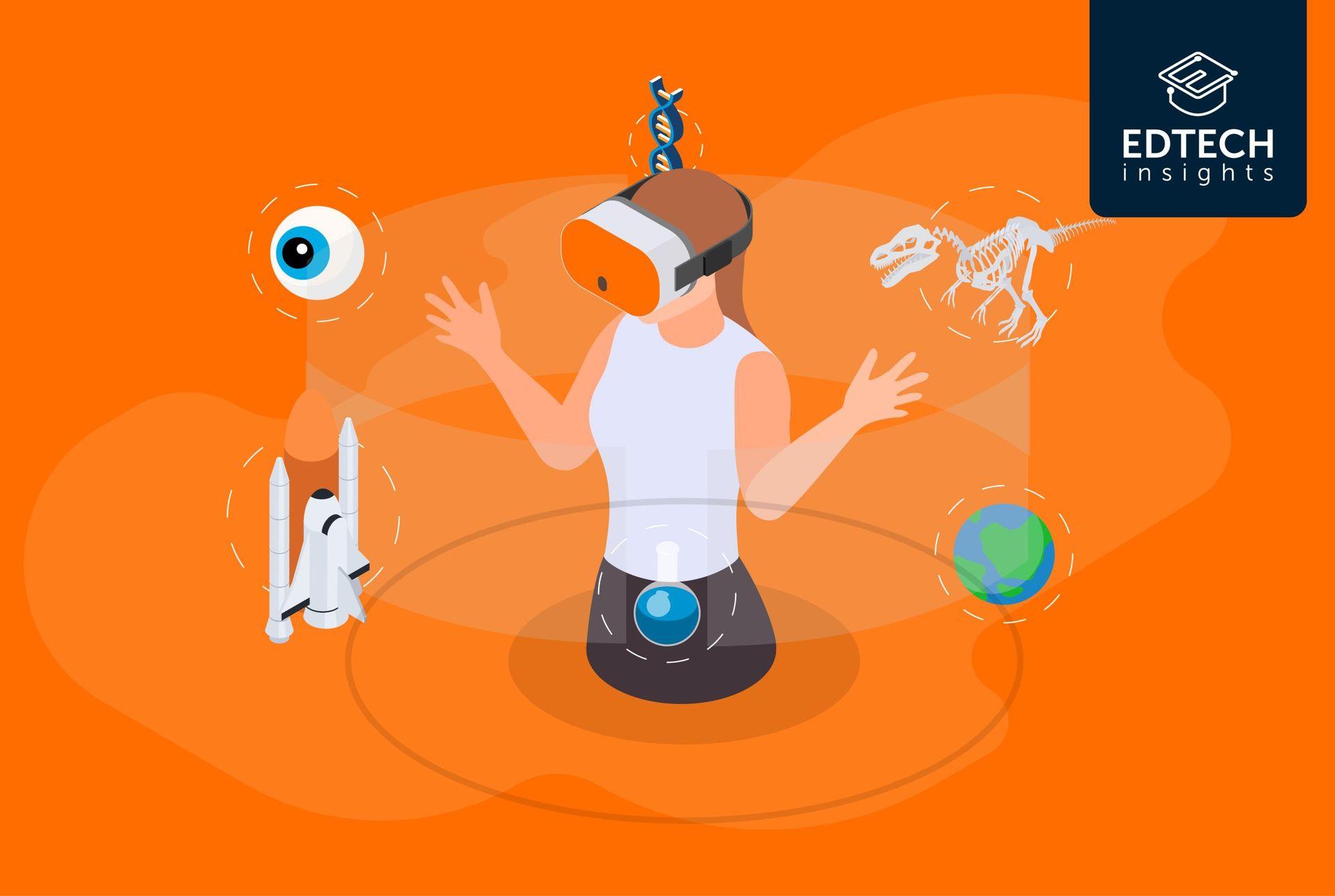
How virtual Reality enhances Student Engagement and Boosts Retention Rates
In today’s rapidly evolving educational landscape, innovative technologies are reshaping the way students learn and educators teach. Among these advancements, virtual reality (VR) in education stands out as a transformative tool. Not only does it make learning more immersive, but studies show VR substantially enhances student engagement and boosts retention rates. In this article, we’ll explore the powerful effects of virtual reality on student learning, supported by research, practical tips, and real-world examples.
understanding Virtual Reality in Education
Virtual reality is a computer-generated simulation of an habitat that allows users to immerse themselves in a three-dimensional, interactive world. In education, VR enables students to experience environments and scenarios that would otherwise be inaccessible, such as walking on the surface of Mars, performing a virtual surgery, or exploring ancient civilizations.
By utilizing VR, educators can create dynamic, interactive lessons that cater to a range of learning styles, elevating traditional instructional methods and fostering a more engaging educational experience.
How Virtual Reality Enhances Student Engagement
Student engagement is critical for effective learning. When students are actively engaged, they participate more, understand concepts deeply, and are motivated to learn. Here’s how introducing VR in the classroom supercharges engagement:
- Immersive Experiences: VR creates captivating, hands-on experiences that immerse students in the lesson, making abstract or complex concepts tangible and memorable.
- Active participation: With VR, learners interact directly with their environment—manipulating objects, solving problems, and exploring scenarios—fostering greater attention and curiosity.
- Personalized Learning: VR applications can adapt to individual studentS pace and learning style, offering tailored content that keeps students challenged and engaged.
- Collaboration and Social Learning: many VR platforms support team-based activities, encouraging dialogue and teamwork among students.
- fun and Motivation: Gamified elements and visually rich environments make learning enjoyable, motivating students to explore and participate.
Boosting Retention Rates with Virtual Reality
Retention, or the ability to recall details over time, is a key measure of learning efficacy. Scientific research demonstrates a strong correlation between immersive VR experiences and improved knowledge retention. Here’s why VR makes a difference:
- Multi-Sensory Learning: VR engages multiple senses together—sight, sound, and sometimes touch—reinforcing memory and understanding.
- Experiential Learning: The “learning by doing” approach inherent in VR allows students to practice skills and apply knowledge in real-life scenarios, which greatly enhances retention.
- Emotional Connection: VR often elicits emotional responses, which are proven to deepen long-term memory formation.
- Immediate Feedback: Interactive VR modules often provide instant feedback, helping students correct mistakes on the spot, which aids retention.
According to a recent study by PwC, learners in a VR-enabled course were up to four times faster to train and 275% more confident to apply skills learned compared to classroom learners. VR users also had higher retention rates, recalling information at significantly higher percentages weeks after training.
Key Benefits of Virtual Reality in the Classroom
- Bridges Learning Gaps: VR offers inclusive learning opportunities, especially for visual and kinesthetic learners.
- Safe and Controlled Environments: VR allows students to practice perilous or delicate tasks without real-world risks.
- Access to Inaccessible Locations: Students can explore under the sea,inside the human body,or across the globe—no travel required.
- Improved Collaboration: Facilitates teamwork and social skills growth through group VR activities.
- Real-Time Assessment: Teachers can monitor progress and adapt instruction based on student interactions in VR.
Real-World Case Studies: Virtual Reality in Action
Stanford University – Virtual Heart
Stanford’s Virtual Heart Project enables medical students to explore the inner workings of the human heart in 3D. Learners can visualize blood flow, manipulate valves, and simulate disorders. Educators reported significantly higher engagement and retention, as students could repeatedly review complex processes beyond textbook limitations.
Georgia State University – VR for Language Learning
Georgia State implemented a VR program where students practiced Spanish in simulated real-world environments like markets and restaurants. Results showed a remarkable improvement in conversational skills and vocabulary retention compared to traditional classrooms.
High School Chemistry labs
In several high schools, VR lab simulations allowed students to conduct experiments safely and repeatedly. Educators noted an increase in both engagement and test scores, as hands-on virtual practice led to better understanding and recall.
First-Hand Experiences: What Students and Teachers Say
“I always struggled to focus in history class, but VR made it exciting! Walking through ancient Rome and seeing it come alive helped me remember details for my exams.”
– Emily T., 10th grade student
“As an educator, VR has empowered me to teach complex topics in a whole new way. My students participate more actively, and even reluctant learners are eager to come to class.”
– Mr.Roberts, Science Teacher
Practical Tips for Implementing VR in Education
- Start Small: Pilot VR with a single lesson or subject to assess impact and get student feedback.
- Choose Age-Appropriate Content: Select VR experiences that align with curriculum standards and student age groups.
- Train Teachers: Provide educators with training to integrate VR effectively and troubleshoot technical issues.
- Ensure Accessibility: Consider students with disabilities and select VR hardware and content that support diverse needs.
- Blend with Traditional Learning: Use VR as a supplement,not a replacement,to enrich established teaching methods.
- Measure Outcomes: Track engagement, retention, and performance metrics to evaluate VR’s effectiveness in your educational setting.
Conclusion: The Future of Learning with Virtual Reality
Virtual reality in education is more than just a trend—it’s a powerful strategy to increase student engagement and retention rates. By making lessons immersive, interactive, and memorable, VR bridges the gap between theory and practice, ensuring students not only understand concepts but remember and apply them long-term.
As access to VR technologies continues to grow, now is the ideal time for educators and institutions to explore its potential. Whether you’re a teacher seeking new ways to engage your class, or an administrator aiming to improve outcomes, integrating VR can transform learning for the better—preparing students for the challenges of tomorrow’s world.