
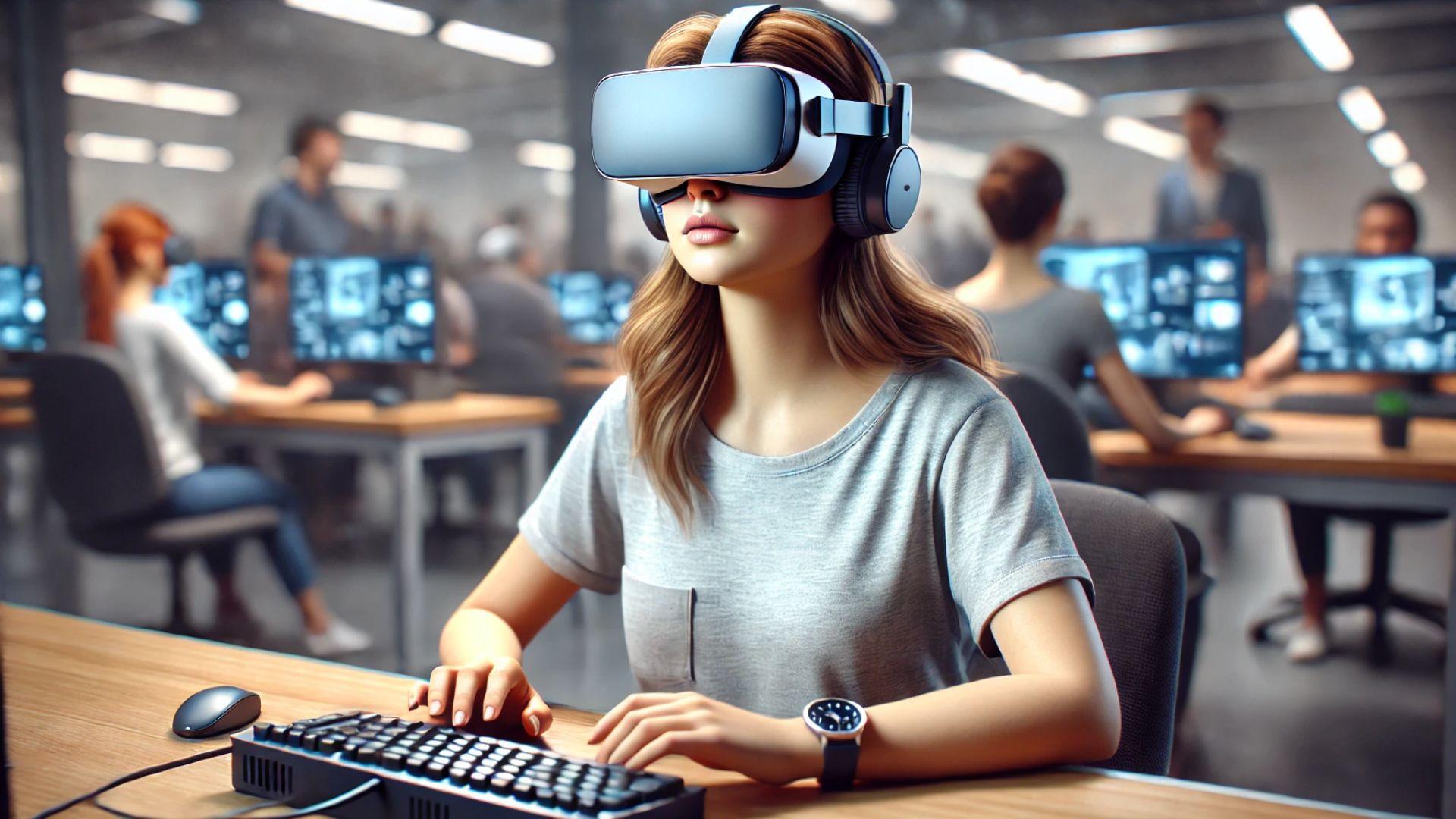
How Virtual Reality is Transforming Student Engagement and Improving retention
In the ever-evolving landscape of education, virtual reality (VR) has emerged as a groundbreaking technology, revolutionizing the way students learn, engage, and retain facts. from immersive history lessons to captivating science experiments, VR is bridging the gap between theory and practice. In this extensive guide, we explore how virtual reality is transforming student engagement and improving retention, offering actionable insights for educators and institutions eager to embrace the future of learning.
What is Virtual Reality in Education?
Virtual reality in education refers to the use of computer-generated simulations and environments that allow students to immerse themselves in interactive learning experiences. By donning a VR headset, learners are transported into 3D worlds where they can explore, manipulate, and interact with digital content in real time.
- Immersive Experience: Students are no longer passive recipients; they become active participants.
- Multisensory Engagement: VR caters to visual, auditory, and kinesthetic learners alike.
- Safe Experimentation: Enables risk-free practice in fields like science, medicine, and engineering.
How Virtual Reality is Enhancing Student Engagement
Traditional learning methods, such as lectures and textbooks, often struggle to captivate students’ attention. Virtual reality in the classroom is changing that paradigm by:
1. Making Learning Fun and Interactive
- Gamification: VR platforms often incorporate game-like elements—badges, points, levels—that motivate students to participate and progress.
- Real-world Scenarios: Complex concepts are brought to life, allowing students to experience history, biology, or mathematics instead of just reading about them.
2. Fostering Collaboration and Dialog
- Virtual Field Trips: Students can visit historical landmarks, museums, or even other countries without leaving the classroom.
- Group Projects in VR: Collaborative problem-solving and teamwork are enhanced through shared virtual spaces.
3. Addressing Different Learning Styles
- Personalized Learning Paths: VR allows students to learn at their own pace and according to their strengths.
- Accessible Learning: Students with disabilities can engage through tailored VR experiences, promoting inclusivity and diversity.
Virtual Reality and Improved Knowledge Retention
One of the most compelling advantages of virtual reality in education is its ability to enhance knowledge retention. Research shows that experiential learning dramatically improves long-term memory.
- Deeper Cognitive Processing: Immersive experiences trigger greater emotional and sensory engagement, which are crucial to memory formation.
- Active Participation: Doing, rather than just seeing or hearing, reinforces neural pathways and fosters better recall.
- immediate Feedback: VR-enabled assessments help students correct mistakes and reinforce concepts instantly.
Fact: According to a study by PwC, employees in VR-enabled training learned 4x faster than in traditional classrooms and retained knowledge better weeks later.
benefits of Using Virtual Reality in the classroom
Why are schools and universities worldwide investing in virtual reality education technology? Here are some of the most notable benefits:
- Enhanced Engagement: VR captivates students’ attention and boosts participation.
- Improved Retention: Multi-sensory, hands-on experiences facilitate long-term memory.
- Safe Learning Habitat: Students can safely conduct simulations of dangerous experiments or surgical procedures.
- Accessibility: VR can bridge geographical or physical barriers, making education more inclusive.
- Cost-Effective Field Trips: Expensive or logistically challenging outings can be replaced by virtual excursions.
Real World Case Studies: Virtual Reality Improving Learning Outcomes
1. Case Study: Medical Education at Case Western Reserve University
The university integrated VR into anatomy classes,allowing students to interact with 3D models of the human body. the results?
- Students scored 40% higher on identification and retention tests compared to traditional methods.
- Over 90% reported feeling more engaged and confident using VR tools.
2. Case Study: Virtual Field Trips in K-12 schools
Numerous K-12 schools partnered with companies like Google Expeditions for immersive field trips.Key outcomes:
- Students demonstrated increased curiosity and improved knowledge retention about locations and events experienced in VR.
- Teachers noted higher participation from students who were typically disengaged in regular classroom settings.
3. First-Hand Experience: Student Perspective
“In my history class, we explored ancient Rome in virtual reality. It was astonishing! I remember so much more than when I just read the textbook. I felt like I was actually there, walking the streets and talking to people from the past.”
Practical Tips for Integrating Virtual Reality in Education
- Start Small: Pilot VR with one subject or lesson to gauge student reaction and measure learning outcomes.
- Choose Curriculum-aligned Content: select VR experiences that complement learning objectives and standards.
- Invest in Quality Hardware and Software: Reliable headsets and well-developed VR apps are key for a smooth experience.
- Train Educators: Offer professional development workshops on VR integration, lesson planning, and troubleshooting.
- Encourage Reflective Learning: Pair VR activities with follow-up discussions or assignments to reinforce concepts.
- Monitor and adapt: Solicit student feedback and track performance metrics to refine your VR implementation strategy.
challenges and Considerations
Adopting virtual reality in education isn’t without its obstacles. Consider these potential challenges:
- Cost: High-quality VR headsets and equipment can be expensive.
- Technical limitations: Schools may face issues with hardware compatibility and bandwidth requirements.
- Content Availability: While growing, educational VR content libraries may not yet cover all subjects or grade levels.
- Motion Sickness: Some students may experience discomfort with prolonged VR use.
Addressing these challenges involves careful planning, seeking educational grants, and starting with scalable solutions that can grow over time.
Conclusion: the Future of Student Engagement is Virtual
Virtual reality is not just a flashy trend—it’s a powerful tool for transforming student engagement and improving knowledge retention across all educational levels. By providing immersive, hands-on, and inclusive experiences, VR bridges the gap between abstract concepts and real-world understanding. As VR technology becomes more accessible, its integration into curricula will become indispensable for forward-thinking educators and institutions.
Whether you’re a teacher, administrator, or policy maker, now is the perfect time to start exploring virtual reality in the classroom. By embracing this exciting technology, you’re investing in higher engagement rates, improved retention, and ultimately, better educational outcomes for your students.
Ready to get started?
Discover VR solutions tailored for your school or organization, and join the educational revolution today. For more insights on virtual reality in education, subscribe to our newsletter or explore our related articles below.