
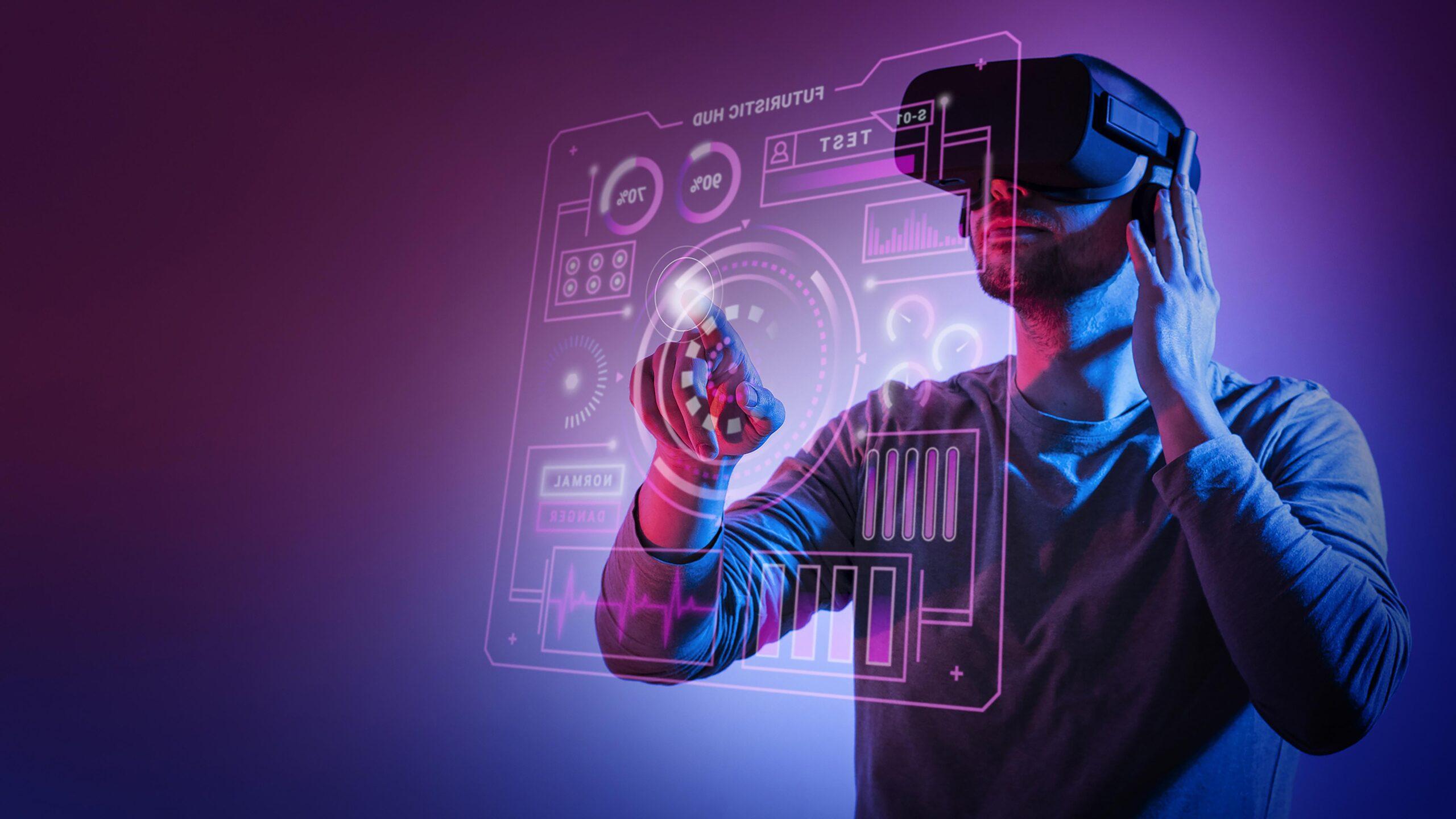
How Virtual Reality (VR) Transforms Student engagement and Boosts Retention
In an increasingly digital world, Virtual Reality (VR) is emerging as a transformative force in the field of education.By immersing students in interactive and experiential learning environments, VR offers unparalleled opportunities to enhance student engagement and boost retention. In this article, we’ll take a deep dive into how VR is reshaping the learning experience, explore its key benefits, and provide proven strategies for integrating VR technology into academic settings.Whether you’re an educator, administrator, or tech enthusiast, read on to discover how VR can revolutionize your educational approach.
What is Virtual Reality in Education?
Virtual Reality in education refers to the use of computer-generated environments that simulate real or imagined worlds, allowing students to interact and engage in a completely immersive experience. unlike traditional learning methods,VR immerses learners in a 360-degree surroundings,making lessons more vivid and memorable.
- Immersion: Students wear VR headsets to transport themselves into historic sites, scientific laboratories, or even space.
- Interactivity: VR lessons include hands-on activities, enabling tactile and kinesthetic learners to grasp complex concepts.
- Accessibility: Geography, financial limitations, or safety risks are no longer barriers to high-impact learning experiences.
Why Student Engagement Matters
Student engagement is a critical predictor of academic success and knowledge retention. When students are interested and actively involved in their learning process, they are more likely to:
- Retain and comprehend new facts
- Apply concepts to real-world scenarios
- Develop problem-solving and critical thinking skills
- Feel motivated and empowered to learn
This is where VR steps in as a game changer, delivering content in ways that are captivating and impactful.
How Virtual Reality Transforms Student Engagement
Let’s explore how VR takes student engagement to new heights, making learning not just effective but also enjoyable.
1. Immersive Storytelling
Storytelling is at the heart of effective teaching. VR offers a dynamic canvas to tell stories that students can literally step into. Imagine studying ancient civilizations by wandering thru virtual reconstructions of Rome or Egypt, or understanding ecological systems by “diving” underwater alongside marine life. this immersive approach makes lessons come alive, moving beyond passive reading or listening to active exploration.
2. Increased Participation and Collaboration
VR environments encourage collaborative learning. Students can work together on projects, solve problems, and communicate within the same virtual space. This is notably powerful for distance learning, where VR bridges physical gaps and fosters a sense of community and teamwork.
3. Personalized Learning Paths
With VR, lessons can be tailored to individual learning speeds and styles. Adaptive scenarios allow learners to practice as often as needed, revisit challenging concepts, and celebrate their unique progress. This personalization boosts confidence and long-term understanding.
4. Gamification and Motivation
Gamified VR environments tap into students’ natural love for play and competition. Interactive simulations, achievement badges, and real-time feedback motivate students to engage more deeply and strive for mastery.
Boosting Retention through VR-Based Learning
Research shows that immersive experiences aid memory retention. Hear’s how VR enables deeper and longer-lasting learning:
- Multi-sensory Learning: VR stimulates auditory, visual, and kinesthetic senses, enhancing the encoding of complex concepts.
- Experiential Learning: Students “learn by doing,” which helps move knowledge from short-term to long-term memory.
- Greater Contextual Understanding: Complex theories are easier to grasp when placed in real-world or practical contexts.
- Immediate Feedback: Real-time assessments within VR modules help students correct mistakes on the spot.
According to a study published by PwC,employees in VR-enabled environments learned up to four times faster and demonstrated up to 275% greater confidence in applying their knowledge compared to those in traditional classrooms. These benefits extend to students in both K-12 and higher education environments, illustrating the power of VR to boost knowledge retention rates.
Benefits of Virtual Reality for Education
Integrating VR into the classroom isn’t just about novelty — it delivers measurable improvements in educational outcomes. Key benefits include:
- Enhanced engagement: Students remain focused and motivated throughout lessons.
- Accessibility: VR democratizes access to experiences previously limited by geography or resources.
- Safe experimentation: simulate dangerous or expensive experiments safely and affordably.
- Cultural empathy: VR exposure to different cultures and past scenarios fosters global citizenship and sensitivity.
- Reduction in distractions: Immersive environments assist in minimizing digital distractions.
Practical Tips for Implementing VR in Schools and Colleges
Ready to embark on the journey of VR-powered education? Here are actionable strategies for a smooth and accomplished integration:
- Start small: Launch a pilot program with a limited number of headsets and select lessons.
- Choose Curriculum-Aligned Content: Select VR apps and modules that are aligned with educational standards and objectives.
- Train Educators: Offer professional development for teachers to effectively facilitate VR lessons and troubleshoot technical issues.
- Encourage Student Feedback: Involve students in evaluating VR content to ensure it meets their learning needs.
- Ensure Inclusivity: Make accommodations for students with varying physical or sensory abilities.
- Integrate Assessment: Use VR-based quizzes, simulations, and checkpoints to track retention and understanding.
- Focus on safety and Comfort: Monitor for motion sickness and ensure proper sanitation of shared VR equipment.
Success Stories: real-World Examples of VR in Education
Case Study 1: Science Expeditions in High School
A high school science department in California implemented VR field trips to the Amazon Rainforest and the International Space Station. Students overwhelmingly reported increased excitement and a better understanding of scientific concepts. Standardized test scores for participating students rose by 18% year-over-year.
Case Study 2: Language Immersion in Higher Education
at a leading university, language students practiced real-world conversations in virtual Parisian cafés and markets. students developed greater confidence and fluency, and language mastery accelerated by 25% compared to conventional classroom methods.
First-Hand Experience: A Teacher’s Perspective
“When I introduced VR into my history lessons, student participation soared. It’s one thing to read about the Colosseum; it’s another to stand in its arena. My students recalled details and context with remarkable accuracy on follow-up assignments.” — Mrs. Anna Reeve,Middle School History Teacher
Overcoming Challenges and Maximizing Value
While VR’s benefits are considerable,thoughtful implementation is essential:
- Cost: Start with cost-effective VR devices,such as smartphone-powered viewers.
- Technical Support: Build partnerships with IT departments or tech providers for ongoing support.
- Content Quality: Continually update VR modules to stay current and relevant.
Through careful planning, collaboration, and a learner-centered focus, schools can unlock the full value of VR in education.
conclusion: The Future of Virtual Reality in Education
The use of Virtual Reality (VR) in the classroom is no longer a distant dream — it’s shaping today’s learning landscapes, transforming student engagement, and boosting retention rates.As technology continues to advance and become more accessible, VR will play an even greater role in helping students spark curiosity, master core concepts, and prepare for a rapidly evolving world. By embracing VR, educators lay the foundation for tomorrow’s learners to not only remember but truly experience their education.
If you’re ready to enhance student engagement and retention, now’s the time to explore the immense potential of VR in your education environment.