
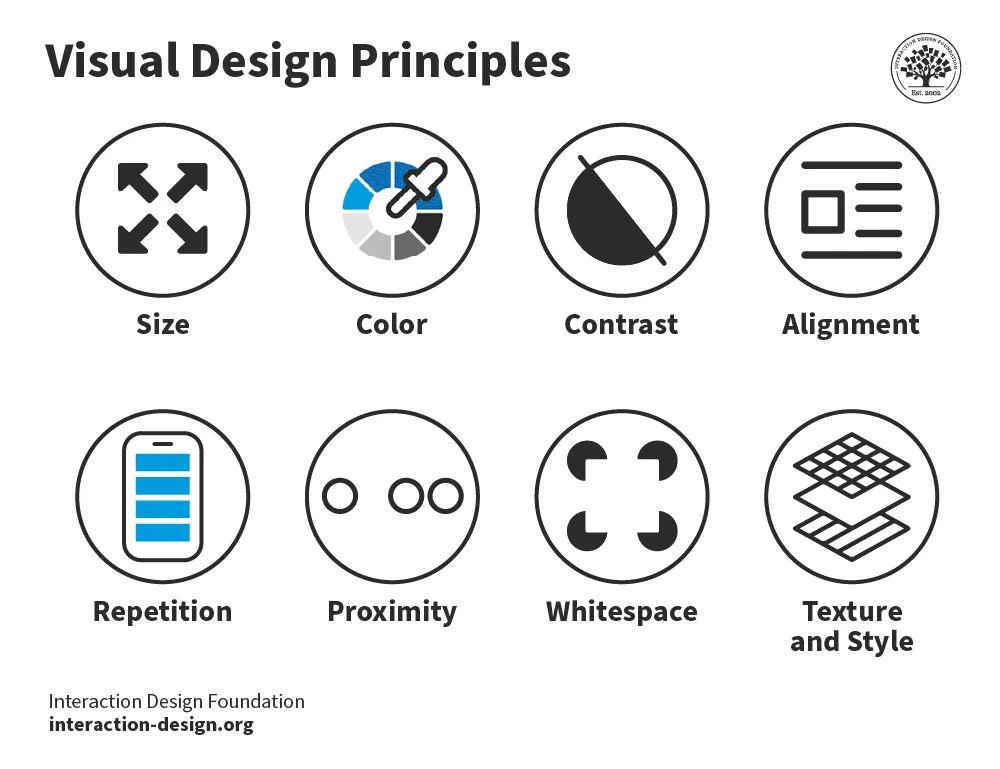
how Visual Designers Revolutionize E-Learning: Key Skills & Impact Explained
Are you interested in landing an education technology job at a university, college, or school as a visual designer? The world of e-learning is booming, and visual designers play a pivotal role in shaping digital teaching experiences. In this comprehensive guide, discover how visual designers are transforming online education, the key skills needed, the far-reaching impact of their work, and practical tips to help you stand out in the competitive edtech job market.
Introduction: Visual Designers at the Heart of EdTech Innovation
Wiht the rapid expansion of digital classrooms and e-learning platforms, universities and schools need skilled visual designers more than ever. As institutions compete to offer engaging, accessible, and effective online learning experiences, the expertise of visual designers has become a driving force in education technology.
In this article, we’ll uncover the crucial role visual designers play in e-learning, describe the essential skills they bring to the table, and explain how their contributions positively impact students, educators, and institutions alike. Whether you’re considering a career in edtech or looking to grow your design skills within the education sector, read on to discover how you can make a difference.
What Is a Visual designer in E-Learning?
Visual designers in education technology are responsible for crafting aesthetically pleasing and functional layouts for digital learning environments. They collaborate closely with instructional designers, content creators, and IT professionals to develop platforms, courses, and digital resources that not only look good but also support effective learning.
Their role typically involves:
- Designing intuitive user interfaces for learning Management Systems (LMS)
- Creating graphics, icons, interactive elements, and visual aids
- Ensuring visual consistency and brand alignment across e-learning products
- Optimizing layouts for diverse devices and accessibility standards
By blending creativity with pedagogical principles, visual designers help transform traditional teaching methods into innovative digital experiences that promote engagement and retention.
Key Skills of Visual Designers in E-Learning
To thrive as a visual designer within a college, university, or school setting, you’ll need a blend of technical, creative, and dialog skills. Below are the essential competencies employers look for:
1. Graphic and UI/UX Design Expertise
- Proficiency with design software (Adobe Creative Suite, Figma, Sketch, etc.)
- understanding of user experience, accessibility, and responsive design principles
- Ability to create wireframes, prototypes, and high-fidelity layouts
2. Educational Principles and Instructional Design Awareness
- Knowledge of learning theories and how design impacts comprehension
- Collaboration with instructional designers to align visuals with pedagogical goals
- Designing layouts that support varied learning styles (visual, auditory, kinesthetic)
3. Communication and Collaboration
- Clear communication with cross-functional teams
- Ability to interpret educational content and translate it into visual formats
- Responsive feedback incorporation and stakeholder management
4. Technical Skills for Education Technology
- Understanding LMS platforms (Canvas, Blackboard, Moodle, etc.)
- Basic HTML and CSS knowledge for web-based course creation
- Experience integrating visuals into courseware and apps
The Impact of Visual Designers on E-Learning Experiences
Effective visual design goes beyond aesthetics—it drives student success and institutional reputation. Here’s how visual designers influence the e-learning landscape:
1. Enhancing Student Engagement
Well-crafted visuals and interactive elements foster curiosity and keep students motivated. Engaging user interfaces and graphics make complex topics easier to grasp and more enjoyable to learn.
2. Promoting Accessibility and inclusivity
Visual designers ensure that online courses adhere to accessibility guidelines, offering option text, clear navigation, and adaptable layouts for all learners, including those with disabilities.
3. Improving knowledge Retention
Thoughtful use of color, typography, infographics, and diagrams helps students organize data, leading to better memory retention and deeper understanding.
4. Streamlining Course Navigation
Intuitive design reduces cognitive load, allowing students and instructors to focus on content rather than problem-solving navigation challenges.
5.Elevating Institutional Branding
Consistent visuals across digital platforms reinforce the institution’s identity, which supports recruitment, alumni engagement, and public perception.
Benefits of Visual Designers in education Technology
For universities, colleges, and schools, hiring skilled visual designers offers compelling advantages:
- Competitive Edge: Stand out among peer institutions by offering visually sophisticated, easy-to-use e-learning environments.
- Scalable Solutions: visual designers create templates and design systems that can be repurposed for multiple courses and programs.
- Data-Driven Improvements: Measure student interaction with visuals to refine course design and increase enrollment and retention rates.
- Staff Development: Visual designers often lead training for faculty,empowering educators to leverage digital tools more effectively.
Career Pathways for Visual Designers in E-learning
Visual designers find rewarding careers in diverse education settings, including:
- Universities and colleges (central IT, libraries, academic departments)
- K-12 schools and districts, supporting teachers and curriculum developers
- Edtech startups building learning products and platforms
- Online course providers and MOOC platforms
Typical job titles include:
- E-Learning Visual Designer
- UI/UX Designer for Education Technology
- Digital Course Designer
- LMS Designer
Practical Tips for Job Seekers in EdTech Visual Design
Ready to break into education technology or advance your visual design career at a school or university? these strategies will help you succeed:
1. Build an Education-Focused Portfolio
- Showcase e-learning projects, course mockups, and UI/UX case studies
- Highlight collaborative projects with educators and instructional designers
- Include accessibility features and explain your design decisions
2. Develop EdTech-Specific Skills
- Take online courses in instructional design and educational psychology
- Learn to design for popular LMS platforms
- Stay updated on accessibility standards (WCAG, ADA
3. Network with Education Professionals
- Attend edtech conferences and webinars
- Join professional groups focused on e-learning and UX design
- Volunteer for education-related design projects
4. Tailor Your Application Materials
- customize your resume to emphasize both visual design and education experience
- Write a portfolio intro that speaks to your understanding of teaching and learning
- Mention familiarity with educational technology platforms and tools
Conclusion: Shaping the Future of Learning Through Visual Design
The journey to becoming a visual designer in the education technology field is both exciting and impactful. As universities,colleges,and schools increasingly invest in e-learning solutions,your skills can shape engaging,accessible,and effective digital learning experiences for countless students. By mastering the key skills, understanding your impact, and preparing an education-focused portfolio, you can position yourself at the forefront of educational innovation.
If you’re passionate about both design and making a difference in education, a role as a visual designer in edtech is a perfect fit. Revolutionize the way students learn—one pixel, wireframe, and interactive lesson at a time!