
How VR Boosts Student Engagement and Improves Retention: Exploring the Impact on Education
Virtual reality (VR) is rapidly revolutionizing the educational landscape, offering innovative, interactive, and immersive learning experiences that customary teaching methods can’t match. As the demand for engaging, technology-driven learning environments grows, educators worldwide are turning to VR to boost student engagement and improve retention rates. In this article, we delve into how VR is transforming education, its core benefits, real-world case studies, and practical strategies for prosperous implementation in classrooms.
What is Virtual Reality (VR) in Education?
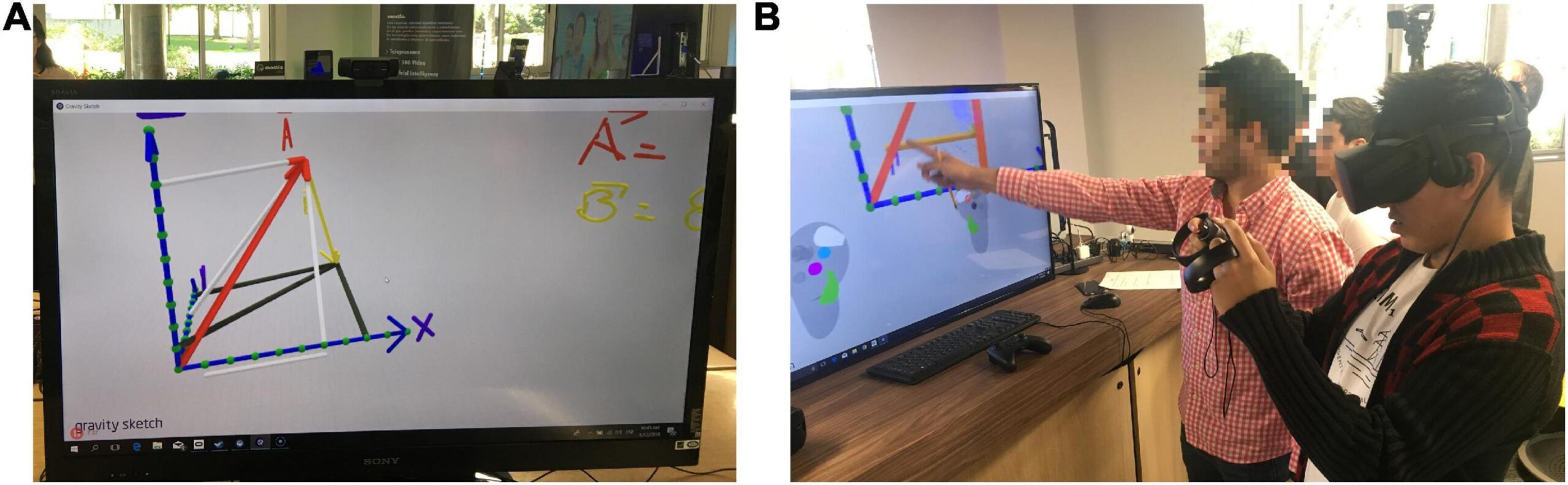
Virtual Reality in education refers to the use of computer-generated simulations that create realistic environments for users to explore and interact within. With a VR headset and compatible software, students can literally step inside the subject matter—from walking on Mars’ surface to dissecting a virtual frog—making learning not just educational, but exhilarating.
Key Features of VR in the Classroom:
- Immersive, 360-degree environments
- Interactive learning objects and simulations
- Real-time feedback and assessment tools
- Personalized learning paths
- Collaborative virtual spaces for group work
How VR Boosts Student Engagement
Student engagement is the cornerstone of meaningful learning. Traditional lectures and textbooks can struggle to hold students’ interest—especially in our fast-paced digital world.Enter VR, which amplifies engagement in several transformative ways.
Why VR Captivates Students
- Active Learning: students participate directly in their education by manipulating virtual objects and exploring simulated worlds.
- Multisensory Experience: VR stimulates multiple senses (sight, sound, touch), deepening understanding and memory formation.
- Gamification: Many VR educational apps use game-like features—like rewards, challenges, and scoring—to keep students motivated and engaged
- Safe Practice: Students can safely repeat challenging tasks, like conducting science experiments or practicing surgery, without real-world risks.
- Immediate Feedback: Interactive VR assessments enable instant feedback, letting students self-correct and master content quickly.
Improving Student retention with VR
Long-term retention of knowledge is a key goal in education. VR is uniquely positioned to support this by creating powerful, memorable learning experiences. Here’s how:
- Contextual Learning: Students “learn by doing,” which research shows considerably enhances memory and recall.
- emotional Connection: Immersive scenarios foster emotional engagement, which neuroscience indicates is vital for memory consolidation.
- Repetition & Mastery: VR enables students to repeat activities as often as needed, reinforcing core concepts.
- Real-World Relevance: By situating lessons in real-life contexts, students understand the practical applications of their knowledge, increasing retention.
Key Benefits of VR in Education
- Enhanced Motivation: Students are eager to participate in VR lessons, reducing absenteeism and apathy.
- Supports diverse Learning Styles: visual, auditory, and kinesthetic learners all benefit from VR’s multimodal approach.
- Breaks geographic Barriers: Students can explore faraway places, ancient civilizations, or even the human body without leaving the classroom.
- Accessible Education: VR can accommodate students with disabilities or differing learning needs via customizable interfaces.
- Boosts Creativity: VR tools encourage exploration, problem-solving, and creativity not often possible in traditional settings.
Case Studies: Real-World Impact of VR in classrooms
Here are some illuminating examples of how VR is making a tangible difference in schools and universities worldwide:
1. Medical training at Case Western Reserve University
Case Western’s HoloAnatomy VR software enables medical students to visualize and interact with 3D models of the human body in immersive detail. Students report higher engagement levels and faster mastery of complex anatomical structures than with traditional cadaver labs.
2. Discovery Education’s virtual Field Trips
Discovery Education partners with schools globally to offer VR-powered virtual field trips. From the Great Wall of China to the International Space Station, students can visit historic and scientific sites, making lessons far more vivid and memorable.
3. Language Immersion at Stanford University
Stanford’s “VR Spanish Classroom” places students in virtual marketplaces, restaurants, and homes, allowing them to practice conversations with native speakers in context. These immersive sessions have increased students’ confidence and accelerated language retention.
4. STEM Engagement in K-12
Schools adopting VR for science, technology, engineering, and math (STEM) report that students—especially those who previously struggled with abstract concepts—comprehend lessons more clearly through VR experiments and visualizations.
first-Hand Student and Teacher Experiences
“The first time I explored ancient Rome in VR, it felt like I was really ther. I remembered every detail weeks later, something I never experienced with just textbooks.”
— Emily,Grade 10 History Student
“VR reignited my students’ curiosity. Even the most reluctant learners became eager participants. It turned my biology class into an adventure, not a chore.”
— Mr. Davis, High School Science Teacher
Practical Tips for implementing VR in Education
- Start Small: Pilot VR projects in one subject or with a small group before expanding school-wide.
- Choose Age-Appropriate Content: Align VR simulations and apps with curriculum standards and student maturity levels.
- Leverage Open Resources: Many VR educational platforms offer free or affordable content for diverse subjects.
- Involve Teachers in Planning: Train educators to integrate VR meaningfully into lesson plans, not just as a novelty.
- Monitor for Motion Sickness: Ensure regular breaks and use VR content designed to minimize discomfort.
- Encourage Group Collaboration: Use multi-user VR apps to promote teamwork and dialog.
The Future of Education: VR’s Expanding Role
As VR technology becomes more affordable and accessible, it’s poised to become a staple of modern classrooms. Advances in AI-driven VR, personalized learning analytics, and haptic technology will further amplify VR’s impact on student engagement and retention in years to come.
Predicted Trends:
- AI-powered adaptive VR modules tailored to individual learning needs
- Greater emphasis on social-emotional learning through immersive empathy-building scenarios
- Fully virtual schools and remote-learning solutions using VR as the core platform
Conclusion: The Transformative Power of VR in Education
Virtual Reality is not merely a technological fad—it’s a transformative tool that profoundly boosts student engagement and improves retention by making learning interactive,memorable,and fun. From igniting curiosity to helping students truly understand and remember lessons, VR sets a new standard for education in the 21st century. As classrooms continue to embrace VR, the future of learning looks more immersive—and inspiring—than ever before.
Ready to revolutionize your classroom? Explore the world of VR education today and witness firsthand how technology-driven learning experiences can spark deeper engagement and enduring knowledge retention in students.