
How VR Enhances Student Engagement and Boosts Retention: The Transformative Impact on Education
virtual Reality (VR) is making waves in various sectors, and education is no exception. As educators and institutions seek innovative ways to engage students and improve learning outcomes, VR has emerged as a game-changing technology. This article delves into key strategies VR uses to enhance student engagement, boost retention, and create immersive learning experiences. We’ll explore the science behind VR in the classroom, practical benefits, real-world case studies, and actionable tips for implementation.
Introduction to VR in Education
In today’s digital landscape, traditional classroom methods are being complemented by advanced technologies to meet the learning preferences of modern students. Virtual Reality in education offers immersive experiences that textbooks and 2D presentations simply cannot match. By transporting learners into interactive, 3D environments, VR promotes active participation, deeper understanding, and long-lasting retention of knowledge.
- immersive Learning: VR transforms lectures into interactive adventures.
- Hands-on Practice: Students perform virtual experiments and simulations in a safe surroundings.
- empathy Building: VR allows learners to experience diverse perspectives first-hand.
How VR Enhances Student Engagement in the Classroom
Student engagement is a critical predictor of learning success. VR serves as a powerful tool for capturing students’ attention and motivating them to actively participate in lessons. Here’s how VR facilitates higher engagement:
1. Interactive and Experiential Learning
Instead of passively consuming details, students become active participants in their learning journey. With VR, they can:
- explore past sites as if they’re actually there.
- Conduct science labs in virtual environments.
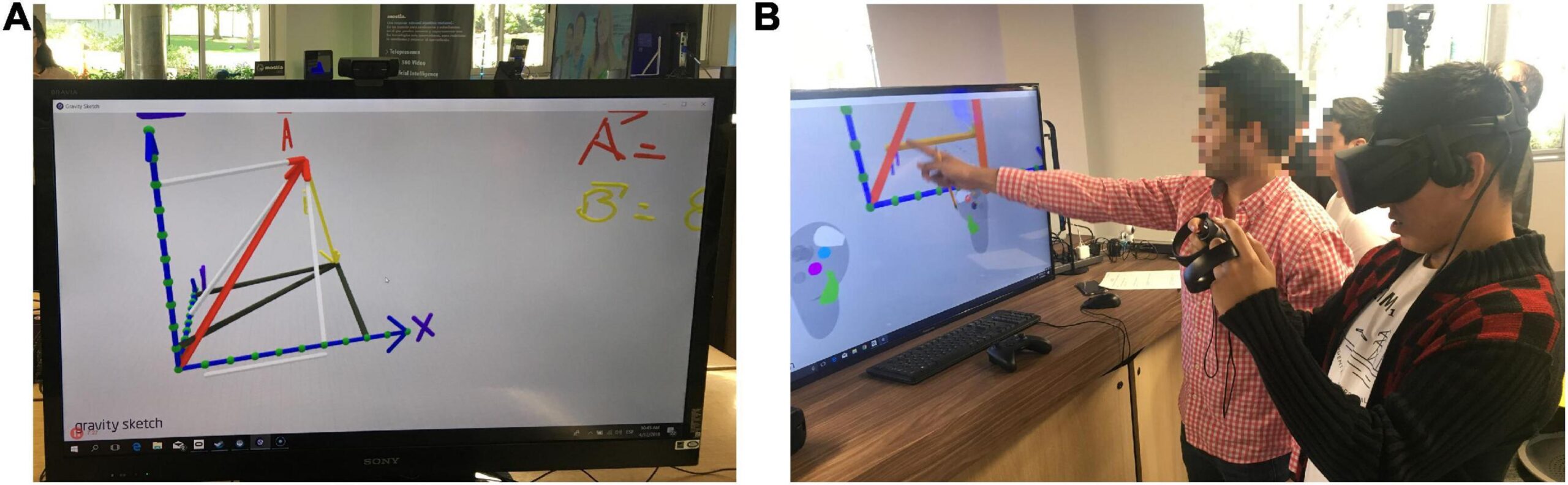
- Simulate complex mathematical or engineering problems.
2. Gamification and Motivation
Many VR educational solutions use elements of gamification, such as points, levels, achievements, and interactive quizzes. These features turn lessons into games, making learning addictive and fun.
3. Real-Time Feedback and Adaptation
VR platforms can provide immediate feedback, enabling learners to identify mistakes and improve their understanding on the spot. Adaptive learning paths also tailor content to individual student needs, maximizing engagement and comprehension.
the Science: How VR Boosts Student Retention
Retention—the ability to remember and apply learned concepts—is the cornerstone of effective education. VR’s immersive experiences leverage cognitive science principles to boost retention rates substantially.
- Multi-Sensory Engagement: VR stimulates multiple senses, reinforcing memory pathways.
- Active Learning: Active participation with virtual content improves knowledge recall compared to passive learning.
- Contextual Learning: Students understand and remember better when concepts are taught within meaningful, context-rich environments.
A study by Purdue University found that students who learned science concepts in VR recalled information up to 33% better after three weeks compared to those using textbook or video-based modules.
Key Benefits of Virtual Reality in Education
The benefits of integrating VR in classrooms extend beyond engagement and retention.
- Accessibility: VR can make education more inclusive, allowing students with different learning styles and abilities to participate fully.
- Risk-Free Experimentation: Students can practice procedures or experiments safely, without real-world consequences.
- Global Collaboration: VR enables virtual field trips, group projects across different geographies, and exposure to diverse cultures.
- Cost-effectiveness: Over time, VR can reduce the need for expensive lab equipment and physical materials.
Real-World Case Studies: VR’s Impact in Schools and Universities
Case Study 1: Immersive History Lessons in high School
Springfield High School introduced a VR module for its World History curriculum. Students used VR headsets to experience Ancient Rome, exploring architecture, daily life, and socio-political systems firsthand. Post-module assessments showed a 40% improvement in knowledge retention and a noticeable increase in class participation.
Case Study 2: Medical Training with VR at University Level
At a leading medical school, VR simulations allowed students to practice surgeries and medical procedures in a controlled, virtual setting.This hands-on training improved student confidence, reduced error rates in practical exams, and resulted in higher overall scores.
Case Study 3: Virtual Language Immersion in Elementary Education
An elementary school piloted a VR-based Spanish immersion program, in which students visited virtual markets in Spain and conversed with AI-driven native speakers. The result was greater enthusiasm for language learning and higher proficiency test scores.
Practical Tips for Implementing VR in the Classroom
Interested in leveraging virtual reality for student engagement and knowledge retention? Here are some actionable steps to consider:
- Start Small: Begin with low-cost VR viewers and explore free educational apps tailored to your curriculum.
- Align with Learning Goals: Choose VR content that directly supports your lesson objectives and enhances, rather than distracts from, core topics.
- Integrate VR as a Complementary Tool: Blend digital experiences with traditional classroom activities for a holistic approach.
- Provide Clear Instructions: Familiarize students with headset use and ensure activities are accessible for all learners.
- Encourage Reflection: After VR sessions,facilitate discussions or writen reflections to solidify understanding and critical thinking.
- Monitor Outcomes: Track engagement and retention improvements to measure VR’s impact and refine your approach.
First-Hand Experiences: What Educators and Students Say
“VR simulated what it would be like to live during the Renaissance. I felt like I was actually there—seeing the art, interacting with people, and understanding history better than any textbook could ever teach.”
— Julia, High School Student
“Introducing virtual reality into my classes has reignited student curiosity. Even students who struggled academically became more engaged, contributing ideas and asking thoughtful questions.”
— Mr. Evans, History Teacher
Such testimonials underline the transformative impact of VR on both engagement and retention in education.
Overcoming Challenges and Future Prospects
While VR offers exciting opportunities, educators should also be aware of implementation hurdles:
- Initial Investment: High-end VR headsets and content can be costly, though prices are declining as technology evolves.
- Teacher training: Instructors need time and support to effectively integrate VR into lesson plans.
- Technical Requirements: Sufficient infrastructure, devices, and reliable internet are essential for seamless VR experiences.
- Student Health & Safety: Sessions should be time-limited to prevent motion sickness and eye strain.
Despite these challenges, the rapid advancement and growing accessibility of VR foretell an exciting future for educational innovation.
Conclusion: Transforming Learning Through VR
Virtual Reality in education is more than a passing trend; it’s a transformative approach that enhances student engagement, boosts knowledge retention, and redefines what classroom learning can achieve.By making lessons immersive, interactive, and meaningful, VR fosters curiosity, confidence, and a lifelong love of learning. As schools and universities continue to adopt this technology, the potential for personalized, impactful education grows exponentially. The journey into the virtual classroom has just begun—are you ready to take the next step?