
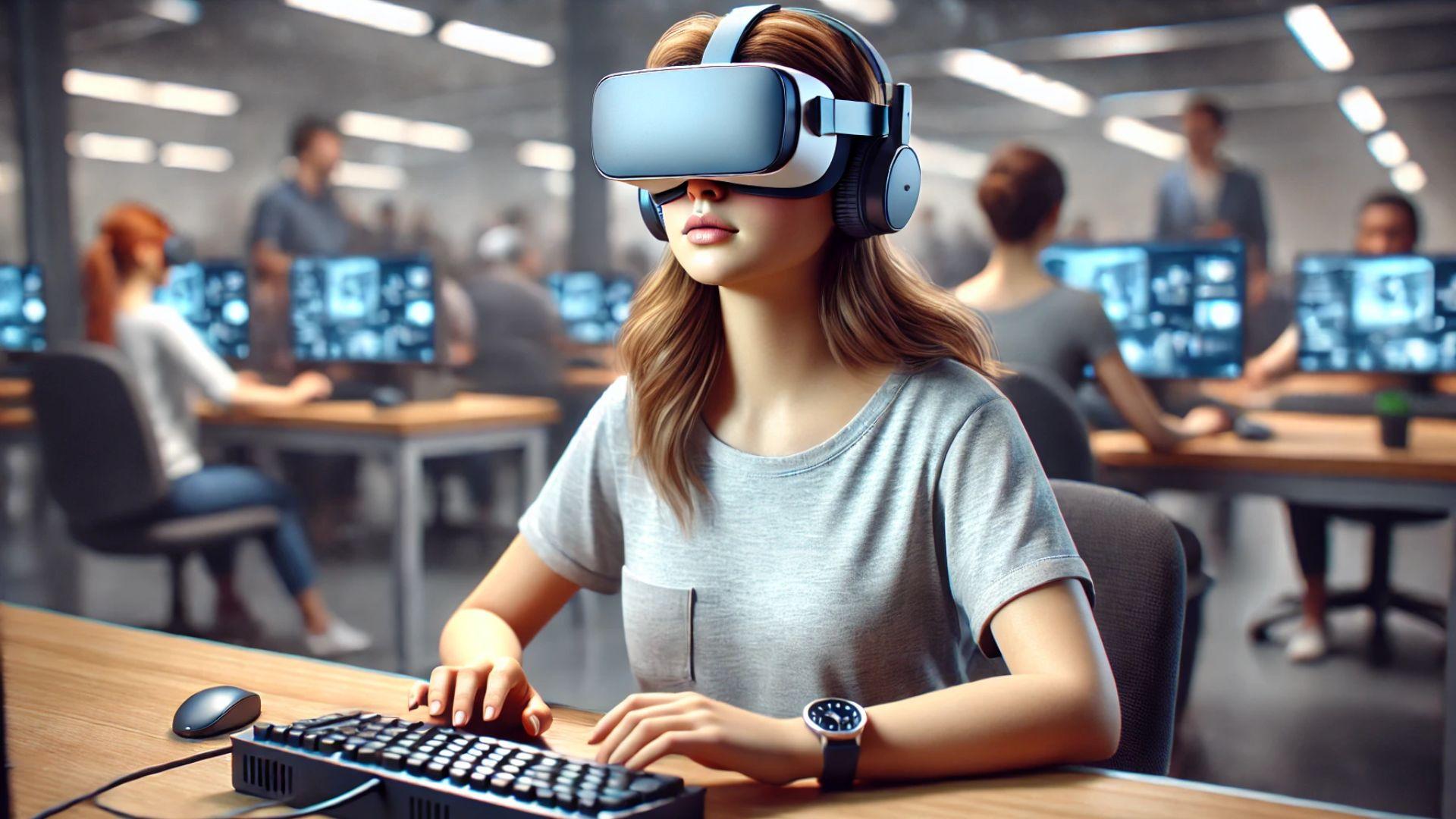
How VR is Revolutionizing Student Engagement and Boosting Retention in Education
the rapid evolution of virtual reality (VR) technology has ushered in a new era for the education sector. As teachers, schools, and edtech companies explore innovative ways to improve student participation and comprehension, VR is emerging as a transformative solution for student engagement and knowledge retention. In this comprehensive guide, we’ll delve into how virtual reality is revolutionizing learning experiences and empowering educators to boost outcomes like never before.
What is virtual Reality in Education?
Virtual reality in education refers to the use of immersive technology—through VR headsets and specially designed software—to simulate interactive, lifelike environments. These platforms transport students beyond the confines of a customary classroom,offering hands-on experiences that accelerate learning and understanding.
- immersive Learning: Students can virtually explore historical sites, conduct science experiments, or solve real-world problems.
- Interactive Lessons: Learners use gestures, voice commands, and movements to interact directly with digital objects and peers.
- Personalized Pace: VR allows for self-paced,repeatable lessons tailored to individual needs.
How VR Enhances Student Engagement
Keeping students engaged is a challenge in any classroom. VR’s immersive experiences capture attention and foster deep involvement. Hear’s how virtual reality improves student engagement:
Active Participation
- Hands-On Learning: Through simulations,VR encourages students to learn by doing,which increases focus and ambition.
- Gamified Education: Interactive VR games turn abstract content into exciting, memorable activities.
Sensory Stimulation
- Multisensory Content: Engaging visuals,sounds,and even haptic feedback promote better involvement and emotional connection.
- Real-World Contexts: VR places students in environments relevant to lesson objectives, making learning authentic.
Boosting Retention Through Virtual Reality
Enhanced retention is one of the most compelling outcomes of using VR in education. Here’s why VR-based lessons are more memorable:
Deeper Learning Through Experience
- Experiential Learning: Students retain facts better when they actively practice or experience concepts rather than passively consume them.
- Repetition on Demand: VR lessons can be repeated as needed, reinforcing memory and mastery.
Reduced Distractions
-
VR immerses learners in a focused habitat, minimizing external noise and interruptions.
Catered to multiple learning Styles
-
Whether a student prefers visual, auditory, or kinesthetic learning, VR effectively appeals to all styles, supporting individual retention strategies.
Benefits of Integrating VR in the Classroom
- Empathy Building: VR enables students to experience perspectives of others, fostering cultural awareness and emotional intelligence.
- Accessibility: Virtual reality democratizes field trips and laboratory work, making them accessible to students regardless of geography or budget.
- Safe Experimentation: Students can explore challenging or dangerous scenarios—like physics experiments or medical procedures—in a risk-free environment.
- Immediate Feedback: Many VR educational applications offer real-time feedback and assessment, allowing for instant correction and learning progression.
- Collaboration: VR platforms can connect students worldwide for teamwork and peer interaction within immersive learning spaces.
practical Tips for Adopting VR in Education
- Start Small: Begin with a pilot program using affordable VR headsets and free educational content to gauge interest and impact.
- Choose Relevant Content: Select VR experiences that align with curriculum goals and learning standards.
- Provide teacher Training: Offer professional advancement so educators are cozy integrating VR tools into their lesson plans.
- Ensure Accessibility: Consider students with special needs; look for VR applications designed with accessibility features.
- Monitor and Evaluate: Regularly collect feedback from students and teachers to assess engagement, satisfaction, and retention improvements.
Real-World Examples and Case Studies
Case Study 1: Language Immersion Programs
Schools using VR for language instruction report that students immersed in virtual conversations with native speakers improve speaking and comprehension skills up to 30% faster compared to traditional methods.These students also demonstrate increased confidence and willingness to participate in class discussions.
Case Study 2: Virtual Field Trips at Title I Schools
A district in California introduced VR-based virtual field trips, enabling underprivileged students to tour world museums, historical monuments, and scientific labs.Teachers noticed improved enthusiasm for related subjects and increased long-term recall of facts presented during immersive sessions.
Case Study 3: Medical Training
Universities adopting VR for medical education have seen improved procedural competency and reduced anxiety among medical students,thanks to realistic surgery simulations that provide hands-on practice without real-world risk.
First-Hand Experience: Student & Teacher Testimonials
“Never have I seen my students so excited to learn. They ask insightful questions, work together more cooperatively, and actually remember what we cover weeks later. VR turned my science class into an adventure.”
– Emily T., Middle School Science Teacher
“VR made history lessons come alive for me. Walking through ancient cities in 3D helped me understand things I struggled with in textbooks.”
– Ahmed S., Grade 10 Student
Challenges & Future Prospects
- Cost and Accessibility: Although prices are decreasing, the initial investment in hardware and software may pose a challenge for some schools.
- Content Quality & Relevance: Ensuring that VR educational content is curriculum-aligned and of high quality requires ongoing vetting and cooperation with developers.
- teacher Readiness: Accomplished integration depends on providing teachers with proper training and time to adapt to new teaching paradigms.
The future, though, is luminous. As VR devices become more affordable and content libraries expand, expect even wider adoption and increasingly positive results in both student engagement and retention in education.
Conclusion: VR’s Lasting Impact on Learning
Virtual reality in education is more than just a trend—it’s an innovative leap forward that brings learning to life. By providing immersive, interactive, and engaging experiences, VR effectively captures attention and enhances memory retention for students of all ages and abilities. While challenges exist, the opportunities for deeper engagement and sustained academic achievement make VR a powerful tool for modern educators.
As technology continues to evolve, those who embrace VR will be better equipped to inspire, engage, and empower the next generation of learners. Now is the time to explore how VR can help revolutionize your classroom!