
how VR Technology Boosts Student Engagement and Improves Retention Rates
In today’s fast-evolving educational landscape, engaging students and ensuring they retain what they’ve learned are priorities for educators worldwide. virtual reality (VR) technology has emerged as a game-changing tool in modern classrooms, transforming the way students interact with content and vastly improving learning outcomes. But how exactly does VR make such a notable difference? In this in-depth article, we’ll explore how VR technology boosts student engagement and improves retention rates, examine key benefits, and share real-world applications you can leverage to maximize success in your own educational context.
What is VR Technology in Education?
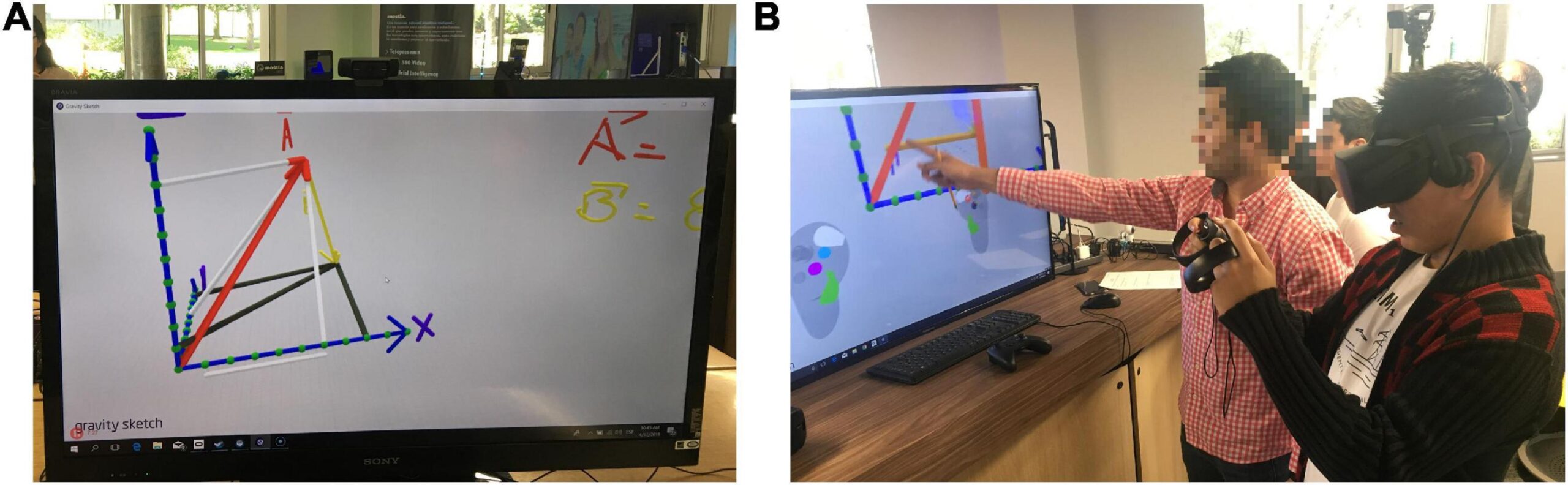
Virtual reality (VR) is an immersive technology that utilizes computer-generated environments to simulate real or imagined experiences.In the classroom, students can use VR headsets and interactive software to explore historical sites, conduct science experiments, or practice language skills—all from their desks. This approach brings abstract concepts to life, offering students a sensory-rich and highly interactive way to learn.
Why is Student Engagement critically important?
Student engagement is the heartbeat of effective learning. engaged students are more focused, motivated, and likely to absorb and retain information. Customary instructional methods sometimes fall short in capturing attention—especially in today’s digital-first world.That’s where VR technology stands out, bridging the gap between theoretical learning and real-world application.
How Does VR Technology Boost Student Engagement?
- Immersive Learning Experiences: VR pulls students directly into the lesson, making them active participants rather than passive listeners. whether exploring the depths of the ocean or the surface of Mars,students can engage all of their senses and truly “experience” the curriculum.
- Personalized and Self-Paced Learning: With VR, instruction can be tailored to individual needs, allowing students to learn at their own pace and revisit complex topics as needed.
- Gamification and Interactivity: Incorporating game-like elements and hands-on tasks motivates students to collaborate,solve problems,and stay invested in the learning process.
- Eliminating Distractions: The immersive nature of VR reduces external distractions, helping students maintain focus for longer periods.
The Impact of VR on Knowledge Retention Rates
- Enhanced memory through Active Involvement: according to research,students retain up to 75% of material when learning by doing or experiencing—a major leap from the 10% retention rate of traditional lectures.
- Deeper Conceptual Understanding: VR enables spatial and experiential learning, allowing students to grasp complex subjects more thoroughly.
- Immediate Feedback and Assessment: Many VR educational apps provide real-time feedback,encouraging iterative learning and rapid knowledge reinforcement.
- Emotional Connection: Emotional engagement strengthens memory. By making learning events memorable and impactful, VR increases the likelihood that students will remember lessons long-term.
Key Benefits of Using VR in the Classroom
- Breaks down geographical and financial barriers by allowing students to virtually visit museums, landmarks, or even other countries.
- Enhances inclusivity for students with diverse learning needs, including those who benefit from visual and kinetic learning methods.
- Boosts collaboration by creating shared virtual environments for teamwork and discussion.
- Improves analytical and critical thinking skills through scenario-based learning and problem-solving activities.
- Fosters curiosity and engagement with state-of-the-art educational content.
Real-World Case Studies: VR Success Stories
-
Cleveland Clinic Lerner College of Medicine:
Medical students use VR to practice intricate surgeries in safe, simulated environments. Results showed improved procedural knowledge and higher retention rates compared to traditional textbook learning.
-
Stanford Virtual Heart Project:
High school students can “walk” inside the human heart to understand anatomy and diseases. After participating, students demonstrated greater comprehension and scored higher on post-tests.
-
Engage Education Platform:
Schools using Engage have reported up to a 30% increase in student retention compared to standard online learning.
These examples showcase how VR technology not only supercharges engagement but directly contributes to improved knowledge retention and academic performance.
Practical Tips: Integrating VR into Your Classroom
- Start Small: Choose one or two subjects and integrate simple VR experiences using affordable headsets or mobile-based VR apps.
- Leverage Free or Low-cost Content: Platforms like Google expeditions, ClassVR, and Nearpod offer VR lessons across numerous subjects.
- Encourage active Participation: Let students drive the exploration by asking questions and designing their own virtual “field trips.”
- Monitor and Measure Outcomes: Use formative assessments and collect feedback to gauge the impact on engagement and retention.
- Provide Training for Educators: Help teachers become agreeable with VR hardware and software to ensure seamless integration into daily lessons.
First-Hand Experience: A Teacher’s Outlook
“Implementing VR in my science classroom transformed how students approached complex topics. Instead of glazed eyes, I now see excited faces and eager hands. Assessment scores improved, and students frequently recall details from our virtual field trips months later. VR has truly made an impact on both engagement and long-term retention.”
– Amy L., Middle School Science teacher
Frequently Asked Questions About VR in Education
-
is VR safe for students?
When used in moderation under supervision, VR is safe and offers numerous educational benefits. encourage regular breaks and follow manufacturer guidelines for age and session length.
-
Do schools need expensive equipment?
Not necessarily. While high-end setups exist,affordable VR headsets and smartphone-based viewers can deliver powerful educational experiences.
-
Can VR help special education students?
Yes! VR’s multisensory approach can support students with unique learning needs,especially those who benefit from visual,auditory,or hands-on interaction.
-
What subjects benefit most from VR?
Subjects including science, history, geography, and art are especially well-suited, but creative educators can find VR applications across the curriculum.
Conclusion: The Future of Education is Immersive
Virtual reality technology is redefining modern education by making learning more interactive, memorable, and accessible. Its ability to boost student engagement and improve retention rates is backed by both research and real-world experience.By integrating VR into classrooms, educators can unlock new levels of curiosity, comprehension, and achievement among students.
Whether you’re an educator, administrator, or parent, embracing VR in education paves the way for dynamic and effective learning experiences—preparing students for a brighter, technologically-empowered future.