
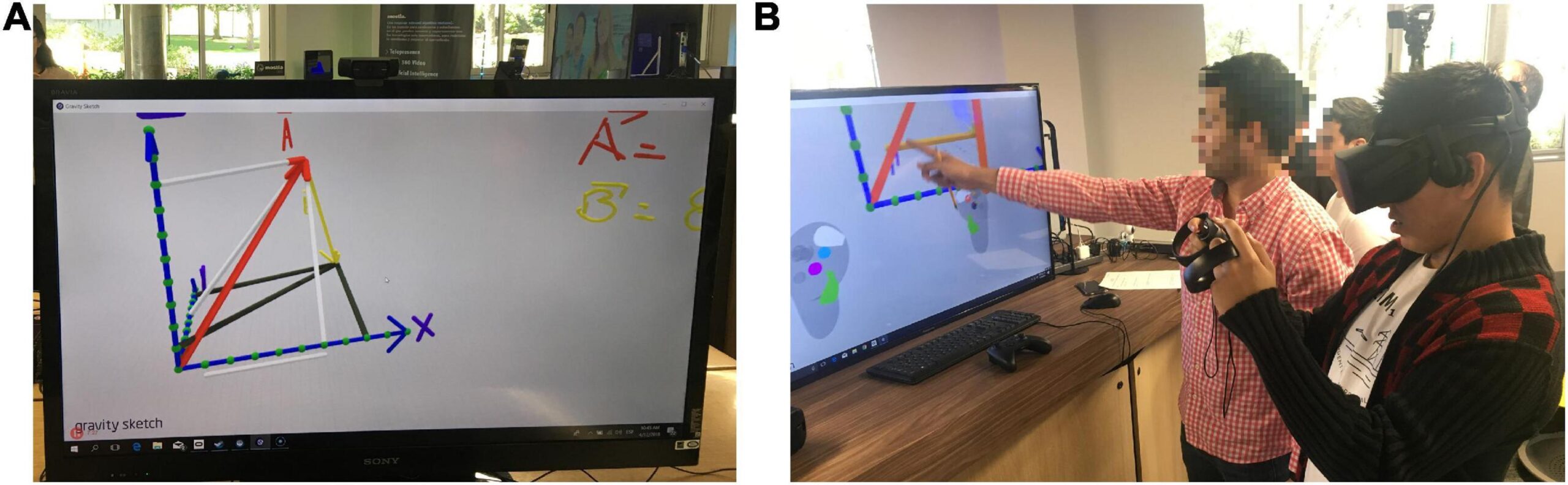
How VR Technology Boosts Student Engagement and Retention: Key Insights and Benefits
Introduction: The Impact of VR Technology in Education
In recent years, Virtual Reality (VR) technology has emerged as a powerful tool in the field of education, offering immersive learning experiences that were once thought unfeasible. As schools and universities seek to improve teaching methodologies, VR technology stands out for its ability to enhance student engagement and knowledge retention. But how exactly does VR transform education? In this article, we’ll unveil critical insights, discuss the benefits, and feature real-world examples that demonstrate the lasting impact of VR in the classroom.
Key Insights: How VR Enhances Engagement and Retention
Immersive Learning Experiences
VR creates highly interactive environments where students can explore, manipulate, and experiment with educational content. Instead of passively absorbing information, students become active participants, which leads to:
- Greater attention and curiosity
- Enhanced understanding through experiential learning
- Reduced distractions and increased focus
Multi-Sensory Simulations
With VR, lessons can engage more than one sense at a time. For example,stepping inside a human cell instead of seeing it on a flat diagram allows for deeper comprehension. Research shows that multi-sensory learning accelerates both engagement and retention rates.
Active Collaboration and Social learning
VR-enabled group projects encourage teamwork, communication, and peer learning. Collaborative virtual environments help students solve problems together, fostering social skills and emotional intelligence alongside subject mastery.
Personalized and Adaptive Learning Paths
VR technology can be tailored to individual learning styles and paces. Adaptive VR lessons ensure that students have the support they need, creating opportunities for customized learning experiences that boost both engagement and retention.
Benefits of Using VR Technology in Education
- Improved Knowledge Retention: Studies reveal that students retain up to 75% more information through interactive VR experiences compared to customary lectures.
- Increased Classroom Participation: VR activities encourage shy or reserved students to participate, giving everyone a chance to express ideas in novel ways.
- Enhanced Motivation: Gamified lessons and challenging VR simulations stimulate motivation, making learning enjoyable and rewarding.
- Real-World Skill Advancement: VR is ideal for practical training—medical students perform virtual surgeries, engineers build prototypes, and historians tour ancient civilizations firsthand.
- Accessibility and Inclusivity: VR can support learners with disabilities by providing multisensory and customizable environments.
- Lower Anxiety and Fear: VR simulations allow students to practice without fear of failure, helping reduce anxiety that can stifle participation.
Case Studies: Real-World Applications of VR in Education
Medical Training at John Hopkins University
John Hopkins University integrates VR simulations in its medical curriculum, allowing students to hone surgical skills in a risk-free environment. Graduates reportedly feel more confident and perform better during live procedures, attributing this improvement to their immersive VR training.
Virtual history Tours in UK Secondary Schools
Several UK schools used VR headsets to transport pupils to ancient Rome and Egypt. Teachers noted significantly higher engagement and test scores after lessons delivered with 3D ancient reconstructions compared to textbook-only approaches.
STEM Learning at Stanford University
Stanford’s engineering department applies VR technology to demonstrate complex scientific phenomena. Student feedback indicates a deeper understanding of abstract concepts, thanks to interactive virtual models and simulations.
First-Hand Experience: what Students and Educators Say
“Stepping inside a virtual volcano gave me a whole new perspective on geology. It was like being there, not just reading about it!”
— olivia, High School Student
“VR helps me engage my students in ways I never thought possible. Their attention spans are longer, and they ask more thoughtful questions after VR lessons.”
— Mr. Chen, Science Educator
Practical Tips for Implementing VR Technology in the Classroom
- Start Small: Begin with a few VR lesson modules before scaling up across subjects.
- Invest in Quality Hardware: Reliable VR headsets and equipment ensure smooth and frustration-free experiences.
- Select Educational VR Software: Choose applications tailored for learning objectives, with proven success in student engagement.
- Provide Training for Teachers: Professional development workshops help educators use VR tools effectively.
- Ensure Accessibility: Look for VR solutions that are inclusive and consider students with differing abilities.
- Measure Outcomes: Track engagement and retention through surveys and assessments to evaluate VR’s impact.
Challenges and Considerations
While VR technology offers transformative benefits, educators should be aware of potential challenges:
- Cost: Initial investment in hardware and software can be high. Consider grants or district-wide implementation to reduce costs.
- Digital Literacy: Both teachers and students may need time and support to navigate new technologies.
- content Quality: Ensure VR lessons are aligned with curriculum standards and learning goals.
- Health and Safety: Limit VR use to avoid eye strain and ensure breaks during long sessions.
Conclusion: The Future of VR in Education
VR technology is redefining classroom experiences by boosting student engagement and retention through immersive, interactive, and personalized learning. From science simulations to historical reconstructions, the possibilities are vast—and the evidence speaks for itself.As more schools and colleges harness the power of VR, it’s clear that the future of education is not only digital but increasingly virtual.
Whether you’re an educator hoping to inspire your students or a school administrator seeking to invest in transformative learning solutions, embracing VR technology will help pave the way for a more engaging, effective, and memorable educational journey. Explore the world of virtual reality and watch your classroom come alive!