
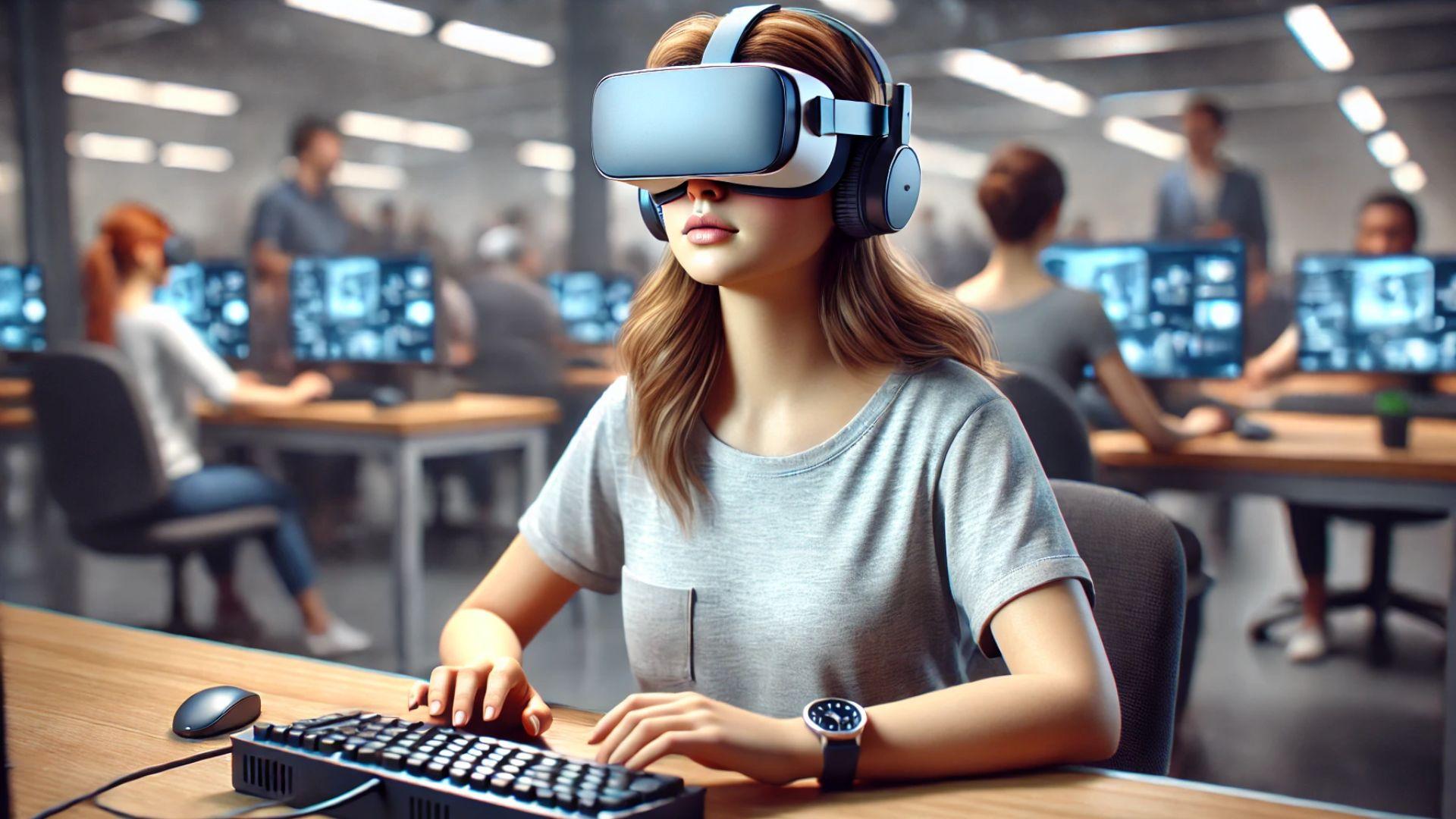
How VR Transforms student engagement and Boosts Retention: The Impact Explained
Virtual Reality (VR) is making waves in education, offering game-changing ways to enhance student engagement and retention. From immersive classrooms to hands-on lab simulations, VR is not only captivating students but also making learning sticky and memorable. In this extensive guide, we’ll explore how VR is reshaping the learning landscape, delve into its profound impact on engagement and retention, and offer practical insights for educators and institutions alike.
Understanding the Power of Virtual reality in Education
Virtual reality is an interactive, computer-generated surroundings that allows users to experience places, concepts, or processes as though they were real. In an educational context, VR creates an immersive learning experience where students can engage with content in ways traditional methods simply cannot match.
- immersive environments: Students can “travel” to ancient Rome, explore the solar system, or walk through molecular structures in a controlled, virtual space.
- Hands-on practice: VR offers safe, reusable, and scalable opportunities for students to practice skills, from science labs to healthcare procedures.
- Personalized learning paths: VR can adapt to individual learner needs and pace, optimizing retention and understanding.
The Impact of VR on Student Engagement
Boosting student engagement is a perennial challenge for educators. With VR, lessons become more interactive and visually appealing, encouraging active participation rather than passive listening. Here’s how VR takes engagement to the next level:
1. Immersion Captures Attention
VR’s immersive nature minimizes external distractions and keeps students focused on the task at hand. This “presence” effect makes learning not only more engaging but also more enjoyable.
2. Active Learning and Collaboration
Virtual Reality facilitates collaborative projects where students can work together in virtual labs or simulations, promoting teamwork and social learning.
3. Gamification Elements
Many educational VR applications include game-like features—challenges, rewards, and progress tracking—which naturally boost motivation and student engagement.
How VR Boosts Retention Rates
One of the biggest benefits of VR in education is its power to improve knowledge retention. When students interact with material in a visually-rich, tangible way, they’re more likely to remember the content. See how VR technology cements learning:
- Learning by Doing: According to Edgar Dale’s Cone of Experience, people remember up to 90% of what they do compared to just 10% of what they read. VR turns passive learning into active participation.
- Real-Time Feedback: Interactive VR scenarios provide instant feedback, allowing students to correct mistakes on the spot, reinforcing proper processes and understanding.
- Multi-Sensory Experience: Engaging sights, sounds, and even touch (through haptics) make concepts stickier and harder to forget.
“VR-based learning environments were associated with considerably higher long-term knowledge retention compared to traditional learning methods.”
— Journal of Educational Technology & Society,2021
Key Benefits of VR for Student Engagement and Retention
- Increases Motivation: Students are excited about using innovative technology,making them more invested in their learning journey.
- Encourages Curiosity: the exploratory nature of VR inspires students to ask more questions and seek deeper understanding.
- Improves Accessibility: VR can bridge the gap for learners with disabilities, offering customizable environments and experiences.
- Facilitates Safe Practice: VR allows students to make mistakes in a risk-free environment, essential for fields like healthcare, engineering, or chemistry.
- Supports different Learning Styles: Whether visual, kinesthetic, or auditory, VR caters to a broad range of learners.
Practical Tips for Implementing VR in the Classroom
Integrating VR into your school’s curriculum may seem daunting. However, these practical steps can help teachers and administrators get started smoothly:
- Start Small: Try VR modules that supplement current lessons—like virtual field trips or science simulations—before integrating into core curriculum.
- Choose age-Appropriate Content: Match VR apps and experiences to students’ cognitive and social development levels.
- Focus on Interactivity: Prioritize VR experiences that encourage student participation, critical thinking, and collaboration.
- Invest in Training: Ensure educators are agreeable using VR through professional development and peer support.
- Consider Accessibility: Address potential barriers for students with special needs or limited technology access.
- Collect feedback: Foster a feedback loop with students to refine and improve VR integration.
Case Studies: VR in Action
1. Medical Schools: Revolutionizing Anatomy lessons
The university of Oxford introduced VR anatomy classes, enabling students to explore and dissect virtual cadavers in 3D. This not only increased student engagement but also led to higher exam scores compared to traditional teaching.
2. Elementary Schools: Virtual Field Trips
Schools in California piloted “Expeditions” programs where students could visit the Egyptian pyramids or dive underwater—all from their classroom. Students reported increased curiosity and better memory of social studies topics.
3. Language Learning: Immersion through VR
Dreamscape Learn partnered with Arizona State University to create language immersion environments. Results showed that contextual, VR-based learning accelerated vocabulary retention and pronunciation accuracy.
First-Hand Experiences: What Educators and Students Say
“After introducing VR into my biology classroom, I noticed attention spans nearly doubled and students became more eager to participate in discussions.” — Sarah J., high School Science teacher
“Using VR for chemistry simulations made it way easier to understand and remember reactions. It felt like learning in a video game!” — Alex, Grade 11 Student
Conclusion: VR — The Future of Student Engagement and Retention
Virtual Reality in education is much more than a passing trend—it’s a transformative tool that brings learning to life, increases engagement, and enhances retention. By immersing students in dynamic, interactive environments, VR propels education into a future that is not just more effective, but also far more enjoyable. For educators and institutions ready to boost student engagement and retention, exploring VR is not only worthwhile—it’s essential.
interested in learning more about implementing VR in your school or classroom? Contact us today to start your journey towards innovative, unforgettable learning experiences!