
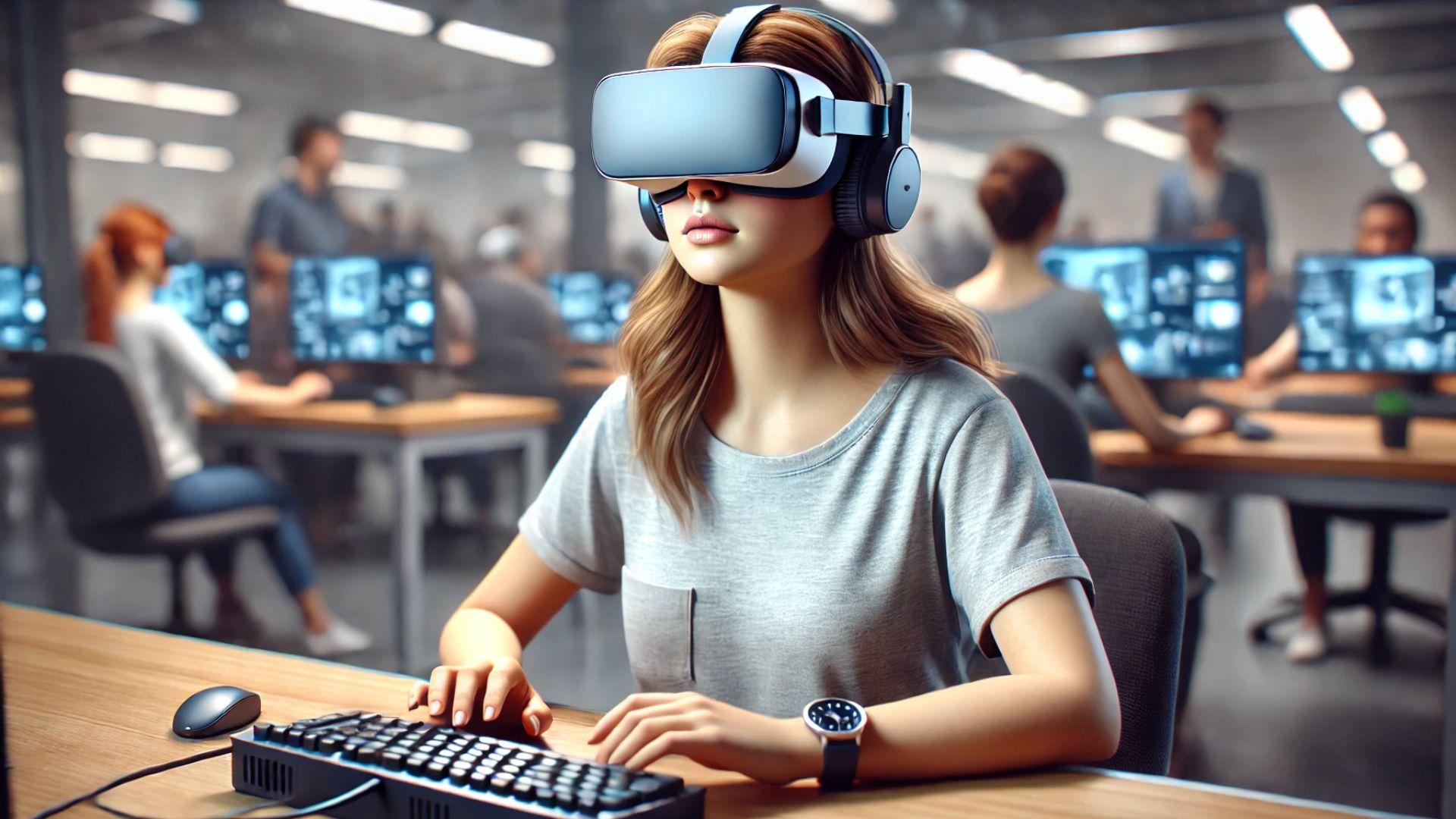
How VR Transforms student Engagement and Retention: The Impact of Virtual Reality in Education
As technology continues to shape the modern learning environment,virtual reality in education has emerged as a game-changer. Virtual reality (VR) bridges the gap between traditional learning and immersive experiences, offering students opportunities that were unimaginable just a decade ago. this article dives deep into how VR transforms student engagement and retention, explores the compelling benefits of virtual reality in classrooms, and provides practical insights for educators and institutions looking to integrate VR into their teaching strategy.
Introduction: The Rise of Virtual Reality in Education
For centuries, education has relied on textbooks, lectures, and static visuals to convey knowledge.But the digital revolution, especially the advent of VR, is changing the very fabric of how students learn and interact with details. Today’s learners crave active participation, real-life application, and memorable experiences—needs that VR can uniquely fulfill. Whether it’s a middle school science class or a university-level medical course, the impact of virtual reality in education is being recognized across all levels.
What is Virtual Reality in Education?
Virtual reality in education refers to the use of immersive,computer-generated environments designed to simulate real or imagined worlds. By donning a VR headset, students can:
- Explore ancient civilizations firsthand
- Experience complex scientific phenomena up close
- Travel virtually to the edges of the solar system
- Practice real-world skills in a risk-free environment
This hands-on, visual, and frequently enough interactive approach fundamentally shifts the paradigm from passive to active learning, significantly boosting student engagement and retention.
How VR Transforms Student Engagement
Student engagement is a critical driver of academic success, yet traditional classrooms often struggle to keep learners motivated and focused. Here’s how VR transforms the engagement landscape:
1. Immersive Learning Experiences
- Multi-Sensory Stimulation: VR appeals to visual, auditory, and kinesthetic learners by immersing students in a 360-degree environment.
- Active Participation: Students manipulate objects, conduct experiments, and make decisions, becoming protagonists in their educational journeys.
- Emotional Connection: Realistic simulations elicit stronger emotional responses,making lessons more memorable and meaningful.
2. Increased Motivation and Curiosity
- Gamification Elements: Many VR modules use game-like features—achievements, levels, and challenges—to motivate learners.
- Personalized Learning: Virtual environments adapt to student pace and interests, increasing intrinsic motivation.
- Instant Feedback: VR provides immediate feedback, keeping students engaged and informed about their progress.
3. Overcoming Traditional Barriers
- Remote Access: Students anywhere can join virtual classrooms, breaking location barriers.
- Accessibility: VR can accommodate diverse learning needs, including students with disabilities.
- Safe Exploration: hazardous or expensive experiments become safely accessible via VR.
VR and Student Retention: making Learning stick
engagement is the first step, but retention of knowledge is where long-term educational success lies. Multiple studies suggest that VR significantly enhances the retention and transfer of knowledge due to:
- Active Learning: Students recall 90% of what they do, vs. 10% of what they read.
- Contextual Learning: Simulated environments provide context, which improves understanding and memory recall.
- Repetition Without Boredom: VR lessons can be repeated in engaging ways, reinforcing memory retention.
A 2022 study by PwC found that VR learners were 4x faster to train than conventional classroom learners and 2.75x more emotionally connected to the content. Virtual reality in education creates experiential memories—making learned concepts stick for much longer.
Key Benefits of Virtual Reality in Classrooms
- Increased Collaboration: Many VR learning modules encourage group problem-solving and dialog.
- Differentiated Instruction: VR can be tailored to students’ learning levels, styles, and interests.
- Reduction of Distractions: Full immersion minimizes outside distractions, improving focus.
- Cost and Resource Savings: Expensive field trips and lab materials can be replaced or enhanced with virtual experiences.
Real-world Case Studies: VR’s Impact on Engagement and Retention
case Study 1: VR in STEM Education
A leading high school in California introduced VR to teach biology and physics. students explored virtual cell structures, conducted virtual dissections, and simulated chemical reactions.After a semester,test scores rose by an average of 20%,and student surveys reported higher enthusiasm and self-confidence in STEM subjects.
case study 2: History Comes Alive
Through partnerships with VR content creators, a middle school allowed students to “walk through” the streets of Ancient Rome. Teachers observed heightened classroom participation,and students retained historical facts and details much more effectively than with traditional teaching methods.
Case Study 3: Healthcare Training
Medical schools worldwide now use VR for procedural training. By simulating surgeries and patient interactions, students develop critical skills with no risk to real patients, leading to better preparedness and skill retention.
Practical Tips for Integrating VR into Your Classroom
Ready to harness the full potential of virtual reality in education? Here are actionable strategies to get started:
- Start Small: Begin by integrating VR content into a single unit or lesson to test its impact and gather feedback.
- Choose the Right Platform: Based on your curriculum and students’ needs, opt for accessible and age-appropriate VR solutions (Google Expeditions, Oculus Education, Merge EDU, etc.).
- Involve Stakeholders: Engage parents,administrators,and IT specialists early to ensure seamless adoption.
- Address Equity & Accessibility: Use classroom sets of affordable headsets, explore grant options, or plan as station activities to maximize access.
- Train Educators: Provide professional progress so teachers can maximize VR’s capabilities and facilitate engaging lessons.
- blend VR with Other Methods: Combine VR activities with discussion, group projects, and traditional materials to reinforce concepts.
First-Hand Experience: Voices from the Classroom
“The first time my students entered a virtual rainforest, their excitement was palpable.Weeks later,they recalled plant and animal types more vividly than any group before. I’ve never seen this level of retention from a single lesson!”
— Sarah T., 6th grade Science Teacher
“For my students with learning differences, VR has been transformational. It breaks down abstract concepts into tangible experiences and levels the playing field.”
— David L., special Education Instructor
Future Trends: What’s Next for VR in Education?
As VR technology becomes more affordable and accessible, the possibilities continue to expand. Expect to see:
- AI-powered adaptive learning environments
- Wider curriculum integration, from humanities to physical education
- Cross-school and cross-border collaborations, fostering global classrooms
- Improved hardware, increasing portability and comfort
With continued investment and innovation, virtual reality in classrooms will become a standard, not a novelty—reshaping education for generations to come.
Conclusion: Embrace the Future of learning
The journey toward truly engaging and effective education is always evolving, but with the advent of virtual reality in education, the future looks brighter than ever. By transforming student engagement and boosting retention through immersive, interactive, and student-centered experiences, VR empowers educators to unlock every learner’s potential.
Whether you’re an educator, school administrator, or policymaker, now is the time to explore how VR can revolutionize your teaching strategy—and ultimately, your students’ learning outcomes. Take the first step.the classroom of tommorow is only a headset away.