
HR Director in EdTech: Key Responsibilities, Skills, and Career Path in 2024
Are you passionate about education technology and have a knack for strategic people management? Landing a role as an HR Director in EdTech at universities, colleges, or schools in 2024 could be your next big career move! as EdTech transforms learning environments, HR Directors are increasingly vital to shaping dynamic, innovative teams. This comprehensive guide explores everything you need to know about this exciting position: from core responsibilities and essential skills to career advancement tips and the benefits it brings.
why HR Directors Are Essential in Education Technology
Educational institutions today rely on cutting-edge technology to facilitate teaching, learning, and administration. As schools and universities expand thier digital capabilities, they require HR leadership that understands both the nuances of education and the evolving landscape of technology. The HR Director in EdTech bridges the gap between faculty, administrative staff, IT teams, and vendors, ensuring human capital strategies align with institutional goals.
- Tech-savvy workforce: Building teams proficient in emerging educational technologies
- Cultural conversion: Guiding change management for tech adoption
- strategic talent acquisition: Recruiting top talent in instructional design, edtech software, and data analytics
- Policy development: Crafting HR policies for hybrid work and digital collaboration
Key Responsibilities of an HR Director in EdTech
The responsibilities of an HR Director in EdTech are multifaceted, encompassing both traditional HR duties and tasks unique to technology-driven education settings. Here are the core areas where HR Directors make an impact:
1. Strategic workforce Planning
- Assessing future talent needs in technology and education
- Developing succession plans for critical tech roles
- Aligning workforce composition with EdTech project goals
2. Talent Acquisition and Onboarding
- Designing recruitment strategies to attract EdTech experts (such as instructional designers, LMS managers, data scientists)
- Implementing competency-based interviews for tech positions
- Developing onboarding programs tailored to high-tech, collaborative environments
3. Learning & Development
- Identifying skill gaps related to EdTech among staff and faculty
- organizing digital training, certifications, and continuous learning initiatives
- Facilitating professional development in cybersecurity, data privacy, and remote teaching tools
4.Change Management and Culture Building
- Managing cultural shifts associated with technology adoption
- Communicating the value of EdTech to non-technical stakeholders
- Maintaining morale during digital transformation projects
5. Employee Relations and Diversity, Equity & Inclusion
- Facilitating inclusive hiring practices for diverse EdTech teams
- Resolving conflicts arising from remote or hybrid work setups
- Ensuring compliance with data privacy and employment regulations
6.Performance Management & Analytics
- Leveraging HR analytics to track recruitment, retention, and employee engagement in tech-focused roles
- deploying digital tools for performance appraisals and feedback
- Aligning performance metrics with institutional EdTech goals
Essential Skills for HR Directors in EdTech
To thrive as an HR Director in the competitive EdTech sector, candidates must combine traditional HR skills with specialized technology management competencies. The following skill sets are especially prized in universities and schools adopting advanced educational technology:
Leadership & Strategy
- Visionary thinking and ability to drive change
- Strong strategic planning skills aligned with tech advancement
- Collaborative leadership across multi-disciplinary teams
Digital Literacy
- Familiarity with Learning Management Systems (LMS), HR tech platforms, and remote collaboration tools
- Basic understanding of data analytics and reporting
- Keen awareness of cybersecurity, digital compliance, and edtech trends
Interpersonal Dialog
- Active listening and clear communication with diverse stakeholders
- Conflict resolution, especially in digital and multicultural environments
- Ability to translate complex tech concepts for non-technical audiences
Change Management
- Experience leading technology adoption or process redesign
- Competence in training and supporting staff through digital transitions
- resilience in managing resistance or uncertainty
Analytical & Problem-Solving
- Data-driven HR decision-making
- Ability to analyze workforce engagement and retention using HR software
- Creative approaches to talent and culture challenges in tech environments
Career Path and Advancement in EdTech HR Leadership
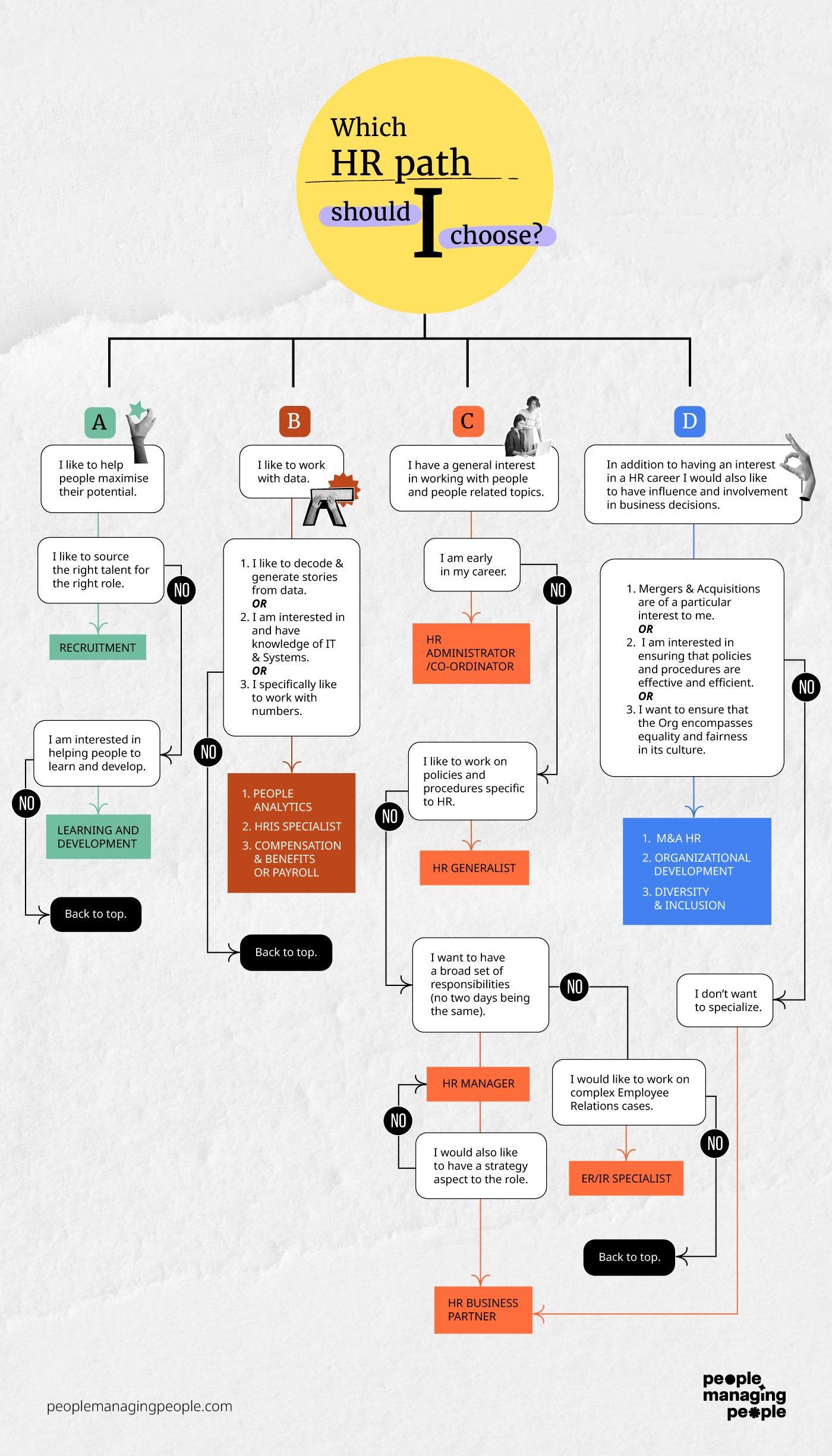
The path to becoming an HR Director in EdTech frequently enough starts with foundational HR roles and progresses through increasing technical exposure and leadership responsibilities. Here’s a typical career trajectory for those aspiring to senior HR positions in education technology:
- HR Generalist / HR Coordinator: Early-career roles, focusing on recruitment, employee relations, and process administration
- HR Manager: Supervising small teams, managing HR initiatives in educational institutions, often acting as tech project liaison
- HR Business Partner / Talent Acquisition Lead: Specializing in recruitment for technology roles and strategic talent planning
- Head of HR / Senior HR Manager: Leading school-wide or campus-wide HR programs, working closely with EdTech departments
- HR Director in EdTech: overseeing all human capital operations for technology-driven teams, setting HR strategies, and sitting on executive leadership panels
Professionals may choose to deepen their expertise by pursuing certifications such as:
- SHRM-CP / SHRM-SCP (Society for Human Resource Management)
- HR analytics and data science qualifications
- EdTech leadership and management training programs
Networking with peers at EdTech events, conferences, or online communities can also accelerate career development.
Benefits of working as an HR Director in EdTech
the position offers distinct rewards for professionals passionate about both education and technology:
- impactful leadership: Shaping the future of learning by building talented, innovative teams
- Intellectual challenge: Navigating rapid technological change within educational settings
- Competitive compensation: Senior HR directors in EdTech often command higher salaries due to their specialized expertise
- Professional growth: opportunities to influence policy, lead digital transformation, and pioneer new HR models
- Work-life adaptability: Many HR directors in EdTech enjoy remote or hybrid work arrangements
Practical Tips for Landing an HR Director Role in EdTech
If you’re aiming to become an HR Director in education technology at a university, college, or school, consider these actionable steps to boost your chances:
- Stay updated: Follow EdTech trends, news, and disruptions to understand the sector’s talent needs
- Build digital skills: Gain hands-on experience with HR analytics platforms, LMS systems, and digital HR tools
- Show adaptability: Demonstrate your success in managing change and leading tech adoption at previous workplaces
- Earn specialized credentials: Pursue HR certifications and participate in EdTech management workshops
- Network in the field: Connect with professionals and leaders at edtech events or join online educational tech communities
- Tailor your resume: Highlight achievements related to tech integration, digital transformation, or innovative HR initiatives
- Prepare for scenario-based interviews: Be ready to discuss resolving HR challenges in tech rollouts, remote work, or EdTech project launches
Conclusion
The role of HR Director in EdTech is rapidly evolving as education technology reshapes universities, colleges, and schools worldwide. In 2024, HR leaders who blend strategic vision with digital fluency will be in high demand. By mastering the skills, responsibilities, and career insights shared above, you can position yourself for an impactful, rewarding career championing innovation in the education sector. Whether you’re just beginning your HR journey or eyeing the director’s chair, the future in EdTech HR leadership is both dynamic and full of possibility.