
HR Director in EdTech: Key Roles,Skills,and Career paths for 2024
If you are passionate about both human resources and education technology,a role as an HR Director in EdTech at universities,colleges,or schools might be your perfect next career move. The education technology sector is growing rapidly, and leaders who can blend HR expertise with technological awareness are in high demand. In this comprehensive guide, we’ll explore the main responsibilities, sought-after skills, career pathways, and actionable tips to help you secure and excel in an HR director position within the academic EdTech landscape in 2024.
Introduction: The Rising Demand for HR Directors in EdTech
Education technology, or EdTech, is quickly transforming educational institutions around the globe. As universities, colleges, and schools integrate more tech-driven solutions for learning, administration, and operations, the need for agile and forward-thinking HR leaders becomes critical. An HR Director in EdTech acts as a linchpin, connecting educational goals with innovative workforce strategies. This role is ideal for HR professionals drawn to the dynamic world of education and digital change.
What Dose an HR Director in EdTech Do?
The HR Director in an EdTech setting plays a multifaceted role, ensuring that the institution attracts, develops, and retains top talent suited for 21st-century education. Here’s an overview of the typical responsibilities:
- Talent Acquisition & Recruitment: Develops hiring strategies targeting educators, technology specialists, and support staff to meet rapidly evolving EdTech needs.
- Training & Professional Development: Creates and oversees learning programs to help staff adapt to new educational technologies and pedagogical approaches.
- Cultural Leadership: fosters an innovative, inclusive, and tech-savvy workplace culture.
- Change Management: Leads organizational change initiatives related to digital adoption and upskilling.
- Compliance & Policy Development: Ensures HR policies are up-to-date with labor standards, data privacy laws, and digital safety protocols.
- Diversity, Equity, and Inclusion (DEI): Advocates for equitable practices and a diverse workforce in a technology-enhanced habitat.
- Employee Engagement & Retention: Monitors employee satisfaction and devises strategies to keep key EdTech talent motivated and productive.
- HR Technology Implementation: Selects and manages HR tech solutions such as payroll, onboarding platforms, and learning management systems tailored for education.
Essential Skills for HR Directors in EdTech
Pursuing a leadership role in HR within the EdTech sector requires proficiency in both conventional human resources management and an understanding of the digital tools that shape modern education. Here are the critical skills that set successful candidates apart in 2024:
- Tech Literacy: Familiarity with EdTech platforms, learning management systems, and HR technology is a must-have.
- Strategic Thinking: Ability to align HR initiatives with the broader digital transformation strategy of the institution.
- Change Management: Experience leading teams thru organizational change,especially technology adoption.
- Communication: Strong verbal and written skills to communicate new policies, present data, and lead diverse teams.
- Leadership: Proven capacity to motivate, inspire, and develop talent in a hybrid or remote work environment common in EdTech.
- Data-Driven Decision-Making: Skills in analyzing HR analytics to inform decisions and track progress on talent metrics.
- DEI Advocacy: Commitment to fostering a culture of diversity,equity,and inclusion in hiring and development practices.
- Problem-Solving: Rapid to find solutions to challenges posed by evolving technology and changing workforce needs.
Typical Career Paths for HR Directors in EdTech
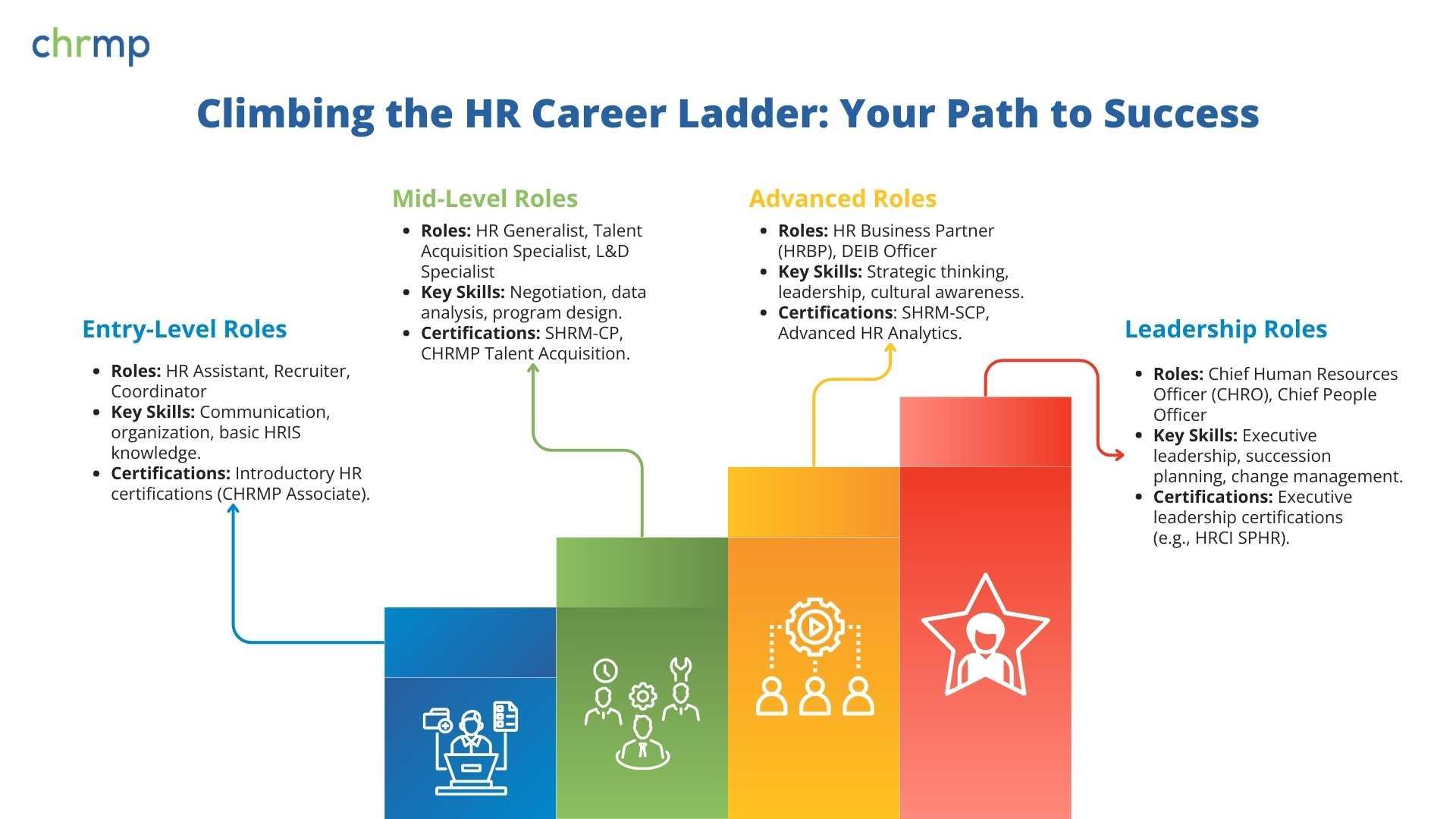
HR directors in edtech frequently enough progress through a blend of education, HR, and tech roles, gathering diverse experience along the way. Here’s what a typical career path might look like:
- Entry-Level HR or Administration: Positions such as HR Assistant or HR Coordinator in schools, colleges, or EdTech companies.
- HR Generalist/Specialist: Expanding expertise to include recruitment, employee relations, and exposure to EdTech processes.
- HR Manager: Leading a team and gaining experience with HR systems, compliance, and organizational development.
- EdTech Project Lead/HR Business Partner: Specializing in edtech implementations or digital transformation projects.
- HR Director / Head of People: Steering HR strategy for a technology-driven educational institution, frequently enough serving as a bridge between academic, IT, and administrative departments.
- Chief Human Resources Officer (CHRO) or VP of HR: For those with extensive experience, advancement to executive roles is possible, influencing the overall people and technology strategy for educational organizations.
Key Benefits of Being an HR Director in EdTech
Choosing a career as an HR Director in EdTech at universities, colleges, or schools comes with a unique blend of benefits, including:
- Impactful Work: Direct involvement in shaping how education changes and grows in the technology age.
- Continuous Learning: Stay ahead by constantly engaging with innovative educational tools and methodologies.
- Competitive Compensation: HR Directors in EdTech institutions are highly valued, frequently enough translating into robust salaries and benefits.
- Professional growth: Opportunities to build expertise in two high-growth fields: HR and educational technology.
- Influence & leadership: Close collaboration with executive teams and the chance to shape institutional culture and tech adoption.
- flexible Work Environments: Many EdTech roles offer hybrid or remote options, supporting better work-life balance.
Practical Tips for Landing an HR director Role in EdTech
Breaking into a top HR position within the EdTech sector at a university, college, or school requires targeted strategies.Here are some actionable tips to improve your chances:
- Stay Current on edtech Trends: Regularly attend webinars,subscribe to EdTech journals,and join professional networks to understand what technologies are shaping education.
- Earn Relevant Certifications: Consider HR certifications (such as SHRM-SCP, HRCI-SPHR) and EdTech-focused courses to stand out.
- Develop Digital Proficiency: Gain hands-on experience with HR management systems, e-learning platforms, and data analytics tools.
- Network with Industry Leaders: Connect with HR professionals and EdTech specialists at conferences and on professional platforms.
- showcase Success Stories: Prepare evidence-based examples of your leadership in driving digital or organizational change.
- Highlight DEI Achievements: Emphasize your commitment to diversity, equity, and inclusion, especially as it relates to digital environments.
- Tailor Your Resume: Customize your resume and cover letter for EdTech-related job opportunities, underscoring your blend of HR and technology expertise.
- Prepare for Digital Interviews: Demonstrate your proficiency with video conferencing and digital collaboration during the hiring process.
Frequently Asked Questions about HR Director Roles in EdTech
Here are some common queries from job seekers considering this exciting career path:
- Do I need an EdTech background to be an HR Director in this field?
While direct experience in EdTech is helpful, HR leadership, strategic thinking, and a willingness to learn new technologies are equally important. Upskilling with digital HR tools is recommended. - Which qualifications are most important?
A bachelor’s or master’s degree in human resources, business administration, education, or a related field is often required.Professional HR certifications and EdTech or IT certifications are advantageous. - what’s the typical salary range?
Compensation varies,but in 2024,HR Directors in EdTech at reputable universities,colleges,or schools can expect competitive salaries,frequently enough supplemented by bonuses,benefits,and professional development opportunities. - What challenges do HR Directors in EdTech face?
Rapid technological change, balancing diverse stakeholder needs, and leading cultural transformation are common challenges, but they also present excellent opportunities to make a meaningful impact.
Conclusion: Shaping the Future of Education as an HR Director in EdTech
The role of an HR Director in EdTech offers a unique chance to shape the workforce that powers tomorrow’s learning experiences. With the right blend of HR expertise,technological awareness,and a strong commitment to inclusivity,you can build a fulfilling career at the intersection of people,education,and innovation.As universities, colleges, and schools continue their digital transformation journeys in 2024, your leadership can definitely help create environments were both staff and students thrive. Whether you’re building foundational skills or ready to lead, there’s never been a better time to pursue a future in EdTech HR.