
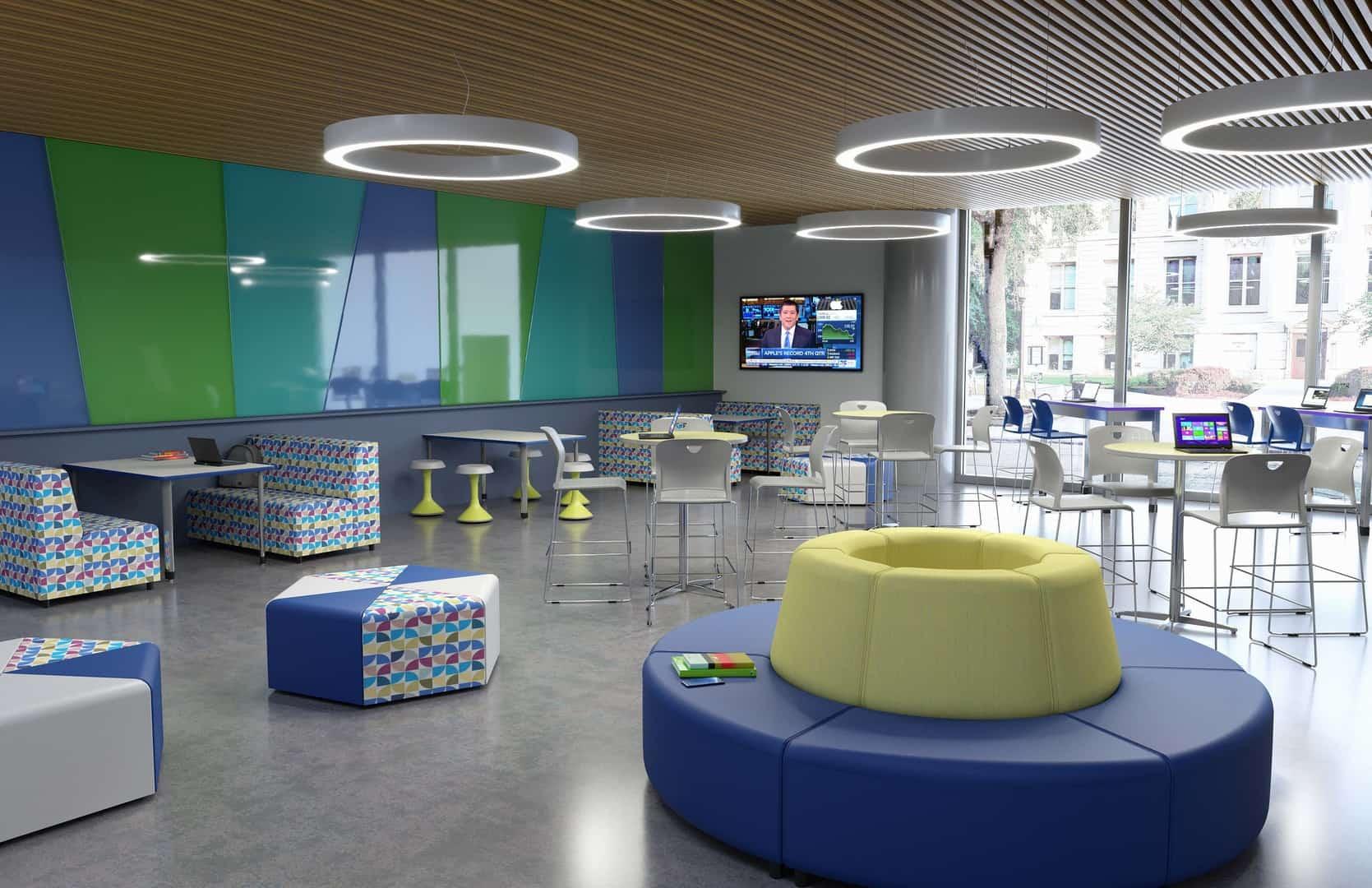
Hybrid Classroom Design: Essential Strategies for Flexible Learning Spaces
As educators and institutions adapt to the rapidly evolving landscape of education, the hybrid classroom design has emerged as a cornerstone for scalable, flexible, and inclusive learning.By integrating in-person and remote learning,hybrid classroom environments foster collaboration,enable dynamic lesson delivery,and accommodate diverse student needs. In this in-depth guide, we’ll explore the essential strategies for designing effective hybrid classrooms, discuss the numerous benefits of flexible learning spaces, and provide proven tips and real-world insights to help you create a thriving hybrid learning environment.
What Is Hybrid Classroom design?
A hybrid classroom blends customary face-to-face instruction with online, remote participation. This model provides versatility,allowing students to attend classes in person or virtually,and supports a variety of learning styles. However, effective hybrid classroom design requires detailed planning—balancing technology, pedagogy, and spatial organization to ensure equitable learning outcomes.
Key Principles of Flexible Learning Spaces
Designing a flexible learning environment means creating spaces that can readily adapt to different pedagogical approaches. Here are the core principles to guide your hybrid classroom design:
- Modularity: Furniture and equipment should be easy to reconfigure, supporting group work, lectures, or independent study.
- Inclusivity: Technology and space must be accessible for all learners, nonetheless of whether thay’re attending in person or online.
- Connectivity: Seamless integration of audio, video, and collaborative tools is essential for connecting remote and onsite students.
- engagement: Design should support interactive teaching methods, promoting student participation and active learning.
- Safety and Wellbeing: Proper airflow,lighting,and room sizing contribute to a healthy learning environment.
Benefits of Hybrid Classrooms and Flexible Learning Spaces
Embracing hybrid classroom design unlocks a wealth of benefits for both educators and students, including:
- Enhanced Accessibility: Students can participate regardless of physical or geographical constraints.
- Personalized Learning: Learners progress at their own pace, accessing recorded lessons and resources anytime.
- Improved Engagement: Dynamic, multimedia content and interactive digital tools keep students motivated.
- Scalable Teaching: One instructor can reach larger, more diverse audiences without overextending resources.
- Future-Proofing Education: Flexible spaces can easily adapt to emerging teaching technologies and methodologies.
Essential Strategies for Hybrid Classroom Design
Implementing a well-structured hybrid classroom demands a strategic approach. Here are vital strategies to design flexible learning spaces for hybrid education:
1. Invest in Robust AV and Connectivity Infrastructure
- Equip each classroom with high-definition cameras, ceiling microphones, and wireless audio systems.
- Ensure fast, reliable Wi-Fi to minimize disruptions for onsite and remote users alike.
- Use interactive whiteboards or digital displays that can be screen-shared with remote participants.
2. prioritize Ergonomic, Mobile Furniture
- Select desks, chairs, and storage units with casters to allow effortless reconfiguration.
- Utilize foldable partitions or modular seating for breakout sessions or small group discussions.
3. Create Zones for Collaboration and Privacy
- Zoning can include areas for group projects, quiet reflection, and teacher-led instruction.
- Incorporate acoustic panels to reduce noise distractions and improve audio quality for remote learners.
4. Integrate User-Friendly EdTech Tools
- Adopt platforms like Zoom, Microsoft Teams, or Google Classroom for live video instruction and asynchronous content access.
- Leverage cloud-based collaboration tools (e.g., Google Docs, Padlet, Miro) to engage both onsite and remote students in real-time activities.
5. Ensure Equity and Accessibility
- Offer assistive technologies—such as captions, screen readers, and adjustable furniture—to support students with disabilities.
- Regularly test and upgrade equipment to accommodate all learners regardless of their chosen participation mode.
6. optimize Lighting and Acoustics
- Maximize natural light where possible and supplement with adjustable LED fixtures for video clarity.
- Employ sound-absorbing materials and maintain a clutter-free environment to enhance focus.
WordPress CSS Styling for Hybrid Classroom Design Articles
Enhance the presentation of your hybrid classroom design articles using custom WordPress CSS styling:
.entry-content ul {

    list-style-type: disc;

    margin-left: 2em;

    colour: #2c3e50;

}

.entry-content h2, .entry-content h3 {

    color: #3498db;

    margin-top: 2em;

}

.entry-content {

    font-size: 1.11em;

    line-height: 1.7;

}
This style improves readability and emphasizes essential details key to flexible learning spaces.
Practical Tips for Implementing Flexible Learning Spaces
Here are actionable steps to bring your hybrid classroom vision to life:
- Conduct a Needs assessment: Survey faculty and students to identify technology and space requirements.
- Pilot Small-Scale Projects: Start with one or two classroom revamps, gather feedback, and iterate before a campus-wide rollout.
- Provide Training: Offer workshops for teachers and students on new equipment, software, and best practices in hybrid learning.
- Solicit Ongoing Feedback: Establish channels for continuous input to drive ongoing improvements in hybrid classroom design.
Case Studies: Success Stories in Hybrid Classroom Design
Case Study 1: Urban university Adopts Modular Spaces
A large urban university in New York implemented modular desks, high-speed Wi-Fi, and ceiling mics in 20% of its classrooms. Faculty reported a 30% increase in class participation, and 95% of students said they felt included—regardless of attendance mode.
Case Study 2: Rural High School Bridges the Digital Divide
A rural high school facing bandwidth challenges introduced portable AV kits and asynchronous learning materials. The result: a 50% drop in absenteeism and smoother transitions during weather-related closures, thanks to a resilient hybrid classroom design.
Firsthand experience: Educator Insights
“Hybrid learning required a mental shift, but having movable furniture and reliable video conferencing platforms made all the difference. It allowed me to run group discussions with remote students as engaged as those in the classroom.”
— Hannah P., High School Teacher
“We underestimated the importance of acoustics. After adding carpeting and installing sound panels, remote students could follow discussions more easily, boosting overall participation.”
— Dr. L.Chen, University Instructional Designer
Conclusion: The Future of Hybrid Classroom Design
Hybrid classroom design is redefining the modern educational landscape by promoting flexibility, equity, and innovation. With thoughtful planning—focusing on technology integration, flexible furniture, meaningful zones, and regular stakeholder input—institutions can create engaging flexible learning spaces that empower all students. as digital and physical learning increasingly intertwine, investing in responsive, future-ready hybrid classrooms is essential for fostering success in an ever-changing world.
Ready to take your learning environment to the next level? Start applying these hybrid classroom strategies today and transform your classrooms into dynamic, flexible spaces where every student can thrive—anytime, anywhere.