
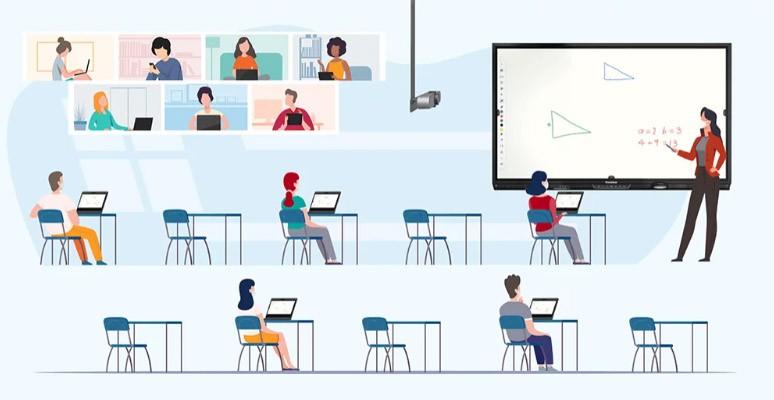
Hybrid Classroom Design: Smart Strategies for Flexible, Future-Ready Learning
In today’s rapidly evolving educational landscape, hybrid classroom design has emerged as a game-changer for flexible, future-ready learning. Whether you’re an educator, school administrator, instructional designer, or facility planner, embracing effective hybrid learning strategies is key to meeting the needs of diverse student populations and preparing for an unpredictable future. This comprehensive guide unpacks proven approaches to hybrid classroom design, explores real-world success stories, and offers actionable tips to help you create engaging, adaptable learning environments fit for the 21st century and beyond.
What is a Hybrid Classroom? Understanding the Concept
A hybrid classroom blends traditional in-person teaching with advanced online learning. It allows students to participate both physically in the classroom and virtually from remote locations, frequently enough simultaneously. This approach maximizes accessibility, personalizes learning, and increases flexibility for students and teachers alike.
- In-Person Element: Facilitates hands-on activities, face-to-face discussions, and social interaction.
- Online Component: Delivers lectures, resources, and activities via digital platforms, supporting synchronous and asynchronous participation.
- technology Integration: Uses audio-visual equipment, learning management systems (LMS), and interactive tools to bridge the gap between remote and on-site learners.
The Benefits of hybrid Classroom Design
Implementing a flexible hybrid classroom design provides numerous advantages for educational institutions and learners:
- Enhanced accessibility: Students can access lessons nonetheless of location or circumstance, reducing barriers associated with commuting, illness, or special needs.
- Personalized Learning: Hybrid models adapt to diverse learning paces, preferences, and participation styles, improving student engagement and outcomes.
- Resilience to Disruption: Institutions remain agile, prepared to pivot seamlessly between remote and in-person learning in response to emergencies.
- Increased Collaboration: Digital tools foster inclusive communication, peer collaboration, and community-building beyond the physical classroom.
- Data-Driven Insights: Track student progress with learning analytics to inform teaching strategies and address individual needs.
Essential Elements of Future-Ready Hybrid Classroom Design
To establish a future-ready hybrid learning environment, consider these critical design components:
1.Flexible Physical Layouts
- Movable Furniture: Use modular desks, chairs, and partitions to reconfigure spaces for group work, distance learning, or individual study.
- Accessible Power and Connectivity: Ensure ample outlets, charging stations, and high-speed Wi-Fi throughout the classroom.
- Clear Sightlines: Arrange seating to ensure all students – in-person and remote – have visual and auditory access to the teacher and classmates.
2.Robust Technology Integration
- Interactive Displays: Install smart boards or projection systems that allow real-time collaboration between in-person and remote students.
- AV Conferencing Equipment: Set up high-quality cameras, microphones, and speakers to stream classes seamlessly and capture classroom interaction.
- Devices and Software: Provide students and teachers with laptops, tablets, and access to educational apps, content, and a secure Learning Management System (LMS).
3. Comprehensive Support Systems
- Teacher Training: Offer professional growth on hybrid teaching methodologies, digital tools, and classroom management in hybrid settings.
- Technical support: Ensure IT assistance is available for real-time troubleshooting and ongoing system maintenance.
- Student Onboarding: Guide students in using hybrid platforms, digital etiquette, and self-directed learning strategies.
Smart Strategies for Designing Effective Hybrid Classrooms
integrating best practices into your hybrid classroom design can profoundly impact learner engagement and success. Here are some expert strategies to optimize your hybrid setup:
1. prioritize User experience
- Ensure both in-person and remote students receive equal attention, participation opportunities, and access to resources.
- Use dual monitors or display screens for teachers to track virtual students while engaging the classroom.
- Employ collaborative tools like Google Workspace or Microsoft Teams to encourage real-time engagement.
2. Create flexible, Adaptable Spaces
- Design multi-purpose classrooms that support varied teaching styles—from lectures to flipped classrooms to project-based learning.
- Deploy acoustic panels and sound systems to improve audio clarity for remote learners.
- Incorporate writable walls or whiteboards for group brainstorming sessions accessible to both local and online participants.
3. Foster a Sense of Community
- Start each class with icebreakers or open discussions to help students connect, regardless of where they are.
- Assign group work that mixes remote and in-person students, leveraging platforms like Zoom breakout rooms or Padlet boards.
- Offer virtual office hours or hybrid study sessions to encourage ongoing relationship-building.
4. Leverage Data for Continuous Improvement
- Use LMS analytics to monitor student attendance, participation, and assignment completion.
- Solicit regular feedback from students on their hybrid learning experiences, challenges, and suggestions.
- Iterate classroom layouts, technology setups, and instructional methods based on data insights and user input.
Case Studies: Successful Hybrid Classroom Design in Action
Manny schools and universities have made significant strides in hybrid learning.Here are two inspiring examples:
Stanford University’s Hybrid Flex Classrooms
- Stanford implemented a series of hybrid-flex (“HyFlex”) classrooms equipped with ceiling microphones, 360-degree cameras, and adjustable AV panels.
- Faculty received hands-on technology training, boosting confidence and course quality.
- Feedback from students highlighted greater scheduling flexibility and improved engagement compared to fully online or traditional classes.
British International Schools’ adaptable Learning Spaces
- The British International School in Riyadh reimagined classroom layouts using modular furniture, portable dividers, and wireless presentation tools.
- Teachers were empowered to mix online breakout sessions with in-person debates and activities.
- The result was a highly adaptable, resilient environment used by students across different time zones and learning preferences.
Practical Tips for Creating Your Own Hybrid Classroom
Ready to make your classroom flexible and future-ready? Here are some actionable tips to get started:
- Start with a vision: Define your goals for hybrid learning—whether enhancing accessibility, supporting personalized instruction, or fostering innovation.
- Assess Existing Resources: Audit your classroom’s current technology, furnishings, and connectivity. Identify immediate needs and prioritize upgrades.
- Engage stakeholders: Involve students, parents, educators, and IT professionals in the planning and design process for increased buy-in and success.
- Test Before Scaling Up: Launch a pilot hybrid classroom, gather feedback, and refine your approach before expanding to other classes or campuses.
- Invest in Ongoing professional Development: Schedule regular workshops,peer observations,and digital pedagogy training to keep staff skills sharp and current.
- Focus on Equity: Ensure all students have access to necessary devices, internet, and accommodations regardless of socioeconomic status or learning needs.
- Document and Share Best Practices: Create a repository for teaching strategies, recorded lessons, and troubleshooting guides to support your learning community.
WordPress CSS Styling Suggestions (Optional)
Key Benefits of Modern Hybrid Classrooms
- Scalable and future-proof learning spaces
- Greater student autonomy and engagement
- Efficient use of space, time, and school resources
- increased institutional resilience and preparedness
Rapid Tips for Teachers: Navigating Your First Hybrid Class
- Check all technology before class—test cameras, microphones, and your online meeting link.
- Greet students joining virtually and in-person, and encourage cross-communication.
- Record each lesson so absent students or those needing review have access to the material.
- Rotate group members regularly to foster inclusion and prevent isolation of remote students.
Conclusion: The Hybrid Classroom as the future of Learning
Hybrid classroom design is not just a trend—it’s the foundation of flexible, resilient, future-ready education. By integrating robust technology, adaptable spaces, data-driven strategies, and a strong commitment to equity and support, schools and institutions can thrive in an increasingly dynamic world. Whether you are initiating your first hybrid classroom or refining an existing model, these strategies will empower you to create engaging, inclusive learning experiences that prepare all students for success now and for years to come.
Are you ready to transform your classroom—and your students’ futures? Start today with these smart hybrid classroom design strategies!