
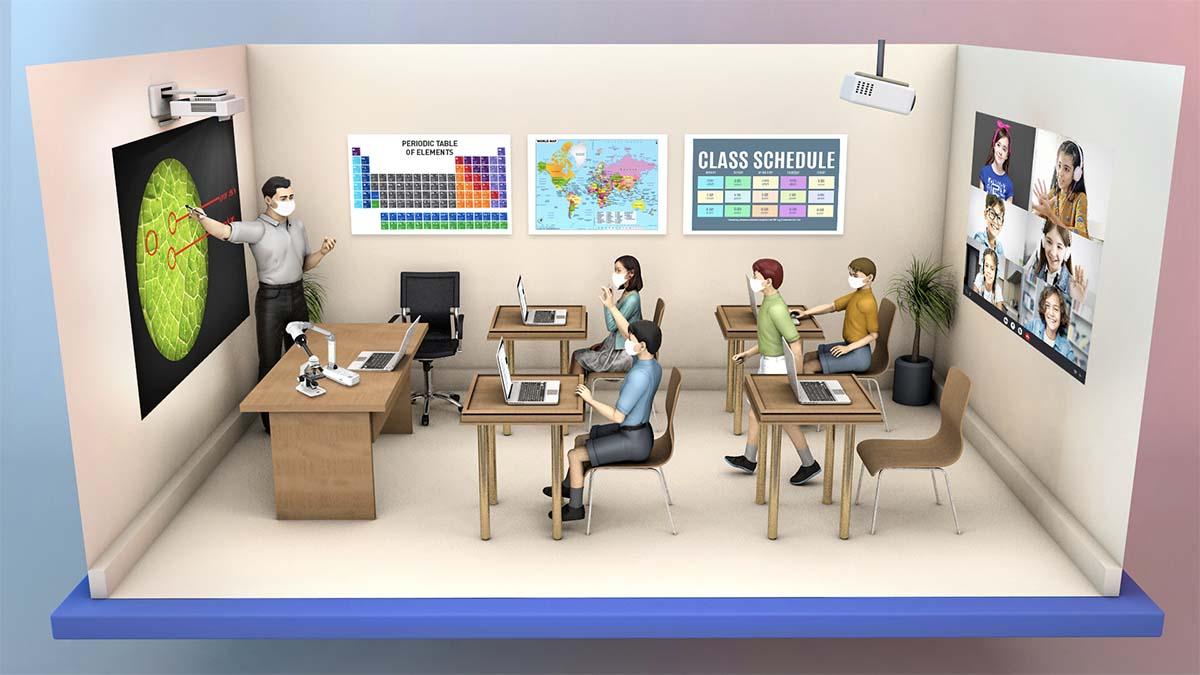
Hybrid Classroom Design: Strategies for Maximum Flexibility and Engagement
Introduction: The New Era of Hybrid Classroom Design
As education continues to evolve in a digital-centric world, hybrid classroom design is rapidly becoming the gold standard for schools and universities worldwide. By seamlessly blending in-person and online learning, hybrid classrooms offer unparalleled flexibility and engagement for both students and educators. But how can you ensure your learning spaces truly support every learner,whether they’re seated in the classroom or joining remotely? In this thorough guide,we’ll uncover the best strategies for hybrid classroom design that maximize flexibility,engagement,and educational outcomes.
What Is Hybrid Classroom Design?
Hybrid classroom design refers to creating physical and digital environments that allow students to participate in learning activities both on-site and online.the goal is to break down barriers and foster engagement,collaboration,and accessibility,irrespective of location.
- Flexibility: Students and teachers can select their preferred mode of participation.
- Engagement: Interactive tools and blended teaching methods keep learners motivated.
- Accessibility: Technology bridges the gap between remote and in-person students.
Benefits of Hybrid Classroom Design
- Increased Student Engagement: Interactive digital resources and collaborative activities engage all learners.
- Customization & Personalization: Educators can tailor lessons for in-person and online participants.
- Scalability: Hybrid setups can easily accommodate varying class sizes and needs.
- Resilience to Disruptions: Learning continues seamlessly during closures or emergencies.
- Cost-Effectiveness: Optimizes space utilization and technology investments.
Key Strategies for Designing Flexible and Engaging Hybrid Classrooms
1. Invest in Advanced Technology Infrastructure
- Interactive Whiteboards: Facilitate real-time collaboration for both physical and remote participants.
- High-quality Audio/Visual Equipment: cameras, microphones, and speakers ensure everyone can participate.
- Reliable High-Speed Internet: Essential for seamless streaming and remote access.
- Integrated Learning Management Systems (LMS): Platforms like Canvas, Moodle, or Google Classroom support resource sharing and assignments.
2. Adopt Flexible Furniture Layouts
- Mobile Desks & Chairs: Encourage rearrangement for group work or self-reliant study.
- Collaborative Zones: Design areas for small group discussions, project-based learning, and peer interaction.
- Tech-Friendly Tables: Ensure tables have power outlets and charging stations for laptops and tablets.
3. enhance Digital Engagement Tools
- video Conferencing Integration: Tools like Zoom or MS Teams keep remote learners connected.
- Real-Time Polls & quizzes: Platforms such as Kahoot! and Mentimeter increase student participation.
- Virtual Collaboration Boards: tools like Padlet and Jamboard facilitate brainstorming and sharing ideas.
4. Promote Inclusive Teaching Practices
- Worldwide design for Learning (UDL): Create resources to suit diverse learning needs.
- Accessible Materials: Use closed captions, transcripts, and readable fonts for all shared content.
- Constant Feedback Mechanisms: Collect input from students to improve hybrid classroom experiences.
Practical tips for Implementing Hybrid Classroom Design
- Test Technology Before Class Starts: Ensure every tool functions seamlessly and consider backup options.
- Set Clear Expectations: Outline participation rules and etiquette for both in-person and remote students.
- Balance Synchronous & Asynchronous Activities: Provide recorded lectures,discussion boards,and live sessions.
- Encourage Collaboration: Assign projects that require interaction via chat, video, or shared documents.
- Monitor Engagement: Use analytics and feedback surveys to regularly assess student participation.
- Provide Ongoing Support: Offer tech tutorials, FAQs, and dedicated help channels for students navigating the hybrid environment.
Case Study: Hybrid Classroom Design in Action
The University of Florida’s Hybrid Learning Initiative
In 2023, the University of Florida transformed its undergraduate lecture halls into flexible hybrid spaces. Key features included:
- Integrated dual camera systems capturing both instructor and class activities.
- Students could join lectures in person or via live stream, with remote participants able to ask questions in real time.
- modular furniture allowed speedy shifts between lecture, group work, and individual study zones.
- Faculty received professional advancement on hybrid teaching technology and inclusive practices.
Results: Student engagement scores rose by 30%, and course completion rates improved considerably.
Firsthand Experiences: Voices from Hybrid Classrooms
Teachers and students frequently share that well-designed hybrid classrooms “feel connected” and “foster creativity.”
- “I appreciate how I can group my students in flexible ways, using tech to connect the ones who are remote. It really makes teamwork possible.” – Jane,High School Science teacher
- “The breakout sessions via video conferencing and physical tables help me stay engaged,even if I’m learning from home that day.” – Rahul, College Sophomore
- “Feedback channels and polls keep our voices heard as students, no matter were we participate from.” – Emily, Graduate student
Common Challenges and How to Overcome Them
- Challenge: Technology Glitches
Solution: Regular maintainance, backup devices, and tech support availability.
- Challenge: Disengaged Remote Learners
Solution: Frequent check-ins, interactive activities, and visual presence in sessions.
- Challenge: Classroom management
Solution: Setting clear norms, recording sessions, and using automated tools for attendance and participation tracking.
- Challenge: Equity in Access
Solution: Providing necessary devices,subsidized internet,and universal access to course content.
Conclusion: Designing the Future of Flexible,Engaging Learning Spaces
In today’s dynamic educational landscape,hybrid classroom design stands at the forefront of innovation,enabling educators and institutions to create flexible,inclusive,and highly engaging learning environments. By investing in technology, adopting adaptable furniture, implementing interactive platforms, and prioritizing accessibility, you can future-proof your classroom—making it a thriving hub for every learner, near or far. Ready to embark on your hybrid learning journey? Consult with stakeholders,pilot new technologies,and keep your finger on the pulse of emerging classroom trends for continuous betterment.