
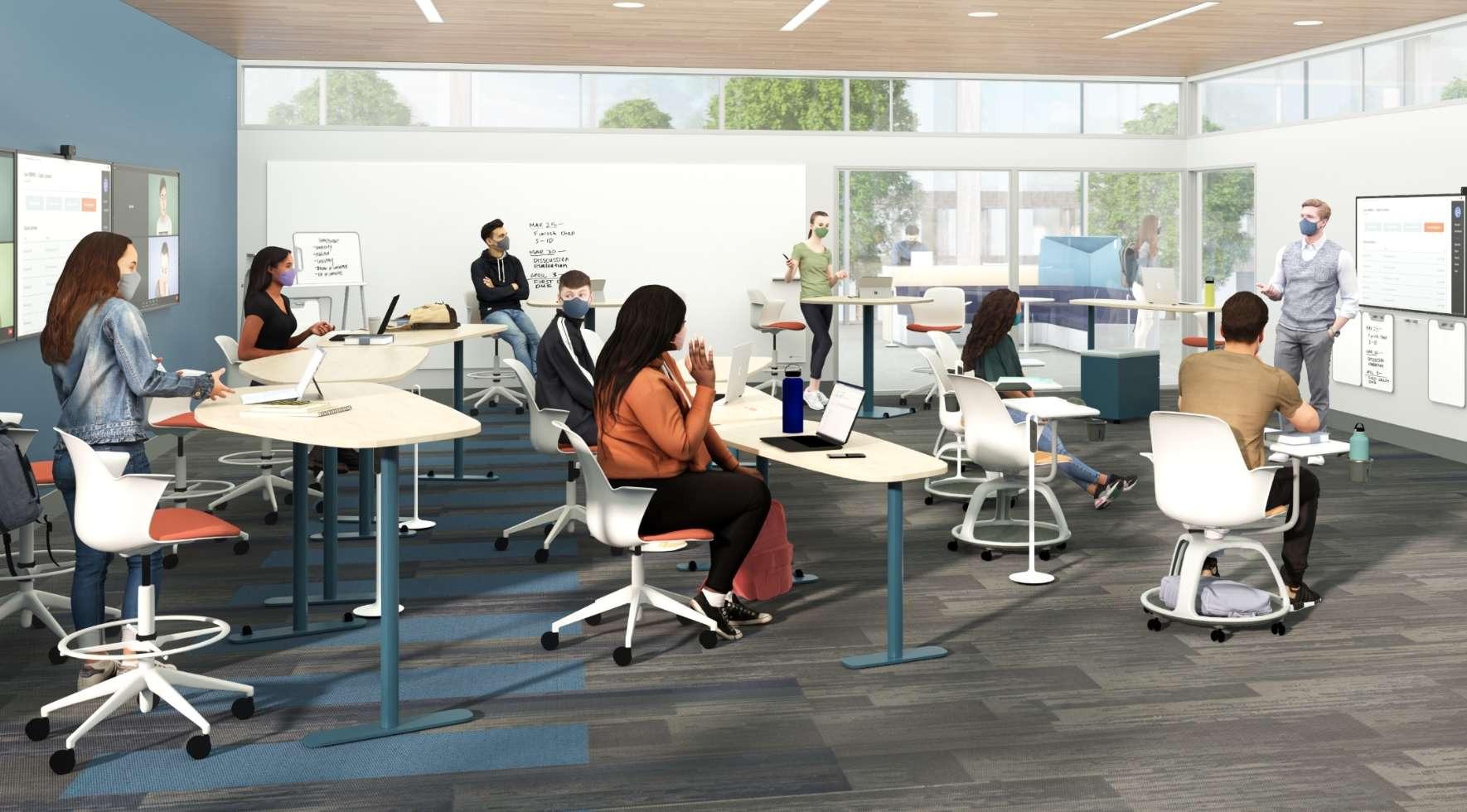
Hybrid Classrooms: Designing flexible Learning Spaces for Modern Education
The landscape of education is undergoing a dynamic transformation. As schools, colleges, and training centers increasingly blend face-to-face and online learning, hybrid classrooms have emerged as a cornerstone of modern education. Designing flexible learning spaces is crucial for supporting both in-person and remote students, enabling educators to deliver engaging, collaborative, and adaptable learning experiences. In this complete guide, we’ll explore the key elements of hybrid classroom design, benefits for students and teachers, practical tips, and real-world insights to help you create an optimal learning habitat.
What Are Hybrid Classrooms?
A hybrid classroom seamlessly integrates physical and digital learning environments. In these settings,some students participate in-person,while others join remotely via video conferencing and digital platforms. This approach allows for flexibility, accessibility, and inclusiveness, accommodating different learning styles and circumstances.
- In-person learning: Conventional classroom interaction and physical resources.
- Remote learning: Participation through video streaming, collaborative tools, and digital content.
- Synchronous and asynchronous options: Real-time discussions and recorded materials for flexible access.
Why Flexible Learning spaces Matter
The success of hybrid classrooms depends on flexible learning space design. Flexible classrooms are adaptable, technology-integrated, and focused on student engagement. They support varied teaching strategies, collaborative work, and smooth transitions between physical and virtual environments.
- Adaptable layouts: Easily reconfigurable furniture to suit group work,lectures,and solo study.
- Technology integration: Reliable AV equipment, cameras, speakers, and fast internet connectivity.
- Inclusive environment: Ensures all learners, irrespective of location, can participate fully.
- Enhanced collaboration: Digital tools support teamwork among in-person and remote students.
Benefits of Hybrid Classrooms in Modern Education
The benefits of hybrid classrooms extend to students, teachers, and institutions:
- Personalized Learning Paths: Tailor content and pace to meet individual needs.
- Increased Accessibility: Students with disabilities or distant learners can fully engage.
- Greater Collaboration: Teams can form across geographies and time zones.
- Future-Ready Skills: Prepares students for digital workplaces and global collaboration.
- Optimized Space Utilization: Makes better use of campus resources and real estate.
- Resilience: Education can continue uninterrupted in the face of disruptions like pandemics.
“Hybrid learning models harness the best of both worlds, equipping students for a digital future while nurturing the essential human connection that comes with in-person interaction.” – Dr. Rachel Simmons, Educational Technologist
Design Principles for Effective Hybrid Classrooms
To design effective hybrid learning environments, educators and facilities planners should consider the following design principles:
1. Technology Integration
- High-quality cameras and microphones for clear video/audio.
- Interactive whiteboards, screens, and document cameras.
- Seamless connectivity with learning management systems (LMS).
- Classroom AV controls that are easy for teachers to use.
2. Flexible Furniture and Layouts
- Modular desks and chairs for fast reconfiguration.
- Spaces for both group collaboration and independent work.
- Zones for quiet study, creative activities, and presentations.
3. acoustic and Visual considerations
- Soundproofing and acoustic panels minimize distractions.
- Lighting that reduces glare and enhances video quality.
- Neutral, non-cluttered backgrounds for videoconferencing.
4. Accessibility and Inclusivity
- Global Design for Learning (UDL) principles applied.
- Closed captioning and assistive technologies.
- Clear signage and visual cues within the physical space.
5. Health and Safety
- ventilation and air filtration systems.
- Sanitizing stations and protocols for shared equipment.
- Appropriate spacing in line with health guidelines.
Practical Tips for Creating flexible Learning Spaces
Implementing a hybrid classroom doesn’t require a complete renovation. Here are some practical tips to get started:
- Assess Current Infrastructure: Conduct a technology audit to see what’s already available and what’s needed.
- Start Small and Scale: Pilot hybrid spaces in select classrooms before expanding campus-wide.
- Train Educators: Offer professional development on hybrid teaching tools and strategies.
- Engage Students: Gather feedback from learners to refine the experiance.
- invest in Versatile Equipment: Purchase modular furniture, mobile whiteboards, and portable AV carts.
- Create Support Channels: Technology support desks for troubleshooting and ongoing help.
Recommended Hybrid Classroom Technologies
- Web-enabled projectors and smartboards
- Wireless charging stations
- 360° cameras for immersive experiences
- Breakout room features in video platforms
- Cloud-based LMS (Google classroom, Canvas, Moodle)
Classroom Arrangement Ideas
- ‘U’ or ‘Horseshoe’ desk layouts for visual contact
- Remote student “presence screens” for life-size interaction
- Mobile divider walls for temporary zones
- Dedicated tech zones for streaming and recording
Case studies: successful Hybrid Classroom Implementations
Institutions worldwide are already experiencing the positive impact of hybrid learning spaces. Here are a few standout case studies:
Stanford University: the ClassX Initiative
Stanford integrated high-resolution cameras, ceiling microphones, interactive screens, and modular whiteboards into its ClassX hybrid classrooms. Both local and remote students can participate equally, and instructors control the entire environment from a single touch panel.After implementation, student engagement and satisfaction rates increased by 20%.
Redbridge High School, UK
Redbridge transformed conventional rooms with rolling desks, wall-mounted displays, and wireless microphones. During the pandemic, the school kept attendance rates near pre-pandemic levels, with teachers noting greater student autonomy and collaboration, both online and in-person.
Corporate Training: Global Consulting Firm
A Fortune 500 consulting firm adopted a hybrid classroom strategy for new employee onboarding. By mixing video-based modules, in-person workshops, and live virtual sessions, the company reported enhanced teamwork and a 30% reduction in training costs.
Educator’s Firsthand Experience: Hybrid Teaching Insights
“Transitioning to a hybrid classroom felt daunting, but the right tools and support made all the difference. With mobile furniture and a robust video setup, I could foster discussions where everyone’s voice was heard — whether they were in the room or connecting from hundreds of miles away. The flexibility has allowed my teaching to become more creative, interactive, and student-centered than ever before.”
– Ms. Olivia Grant, High School Science Teacher
Conclusion: The Future of Flexible Learning Spaces
Hybrid classrooms and flexible learning spaces are redefining the educational experience. By embracing adaptive design, integrating technology, and prioritizing inclusivity, schools and institutions can empower both teachers and learners for success in our rapidly evolving world. Investing in modern education technologies and innovative classroom layouts ensures learning is engaging, accessible, and resilient — no matter what the future holds.
Whether you are an educator, administrator, or curious parent, the journey toward hybrid classroom design is an exciting opportunity to shape the next chapter of learning. Start small,stay flexible,and let student engagement guide your way!