
Hybrid Classrooms: Essential Design Strategies for Flexible Modern Learning
The education landscape is evolving faster than ever, with hybrid classrooms emerging as a cornerstone of flexible, modern learning. By integrating both in-person and online instruction, hybrid learning environments offer unprecedented adaptability, accessibility, and engagement for students and educators alike.This article delves deep into the essential design strategies for hybrid classrooms—empowering you to create dynamic spaces that are future-ready and inclusive.
What Are Hybrid Classrooms?
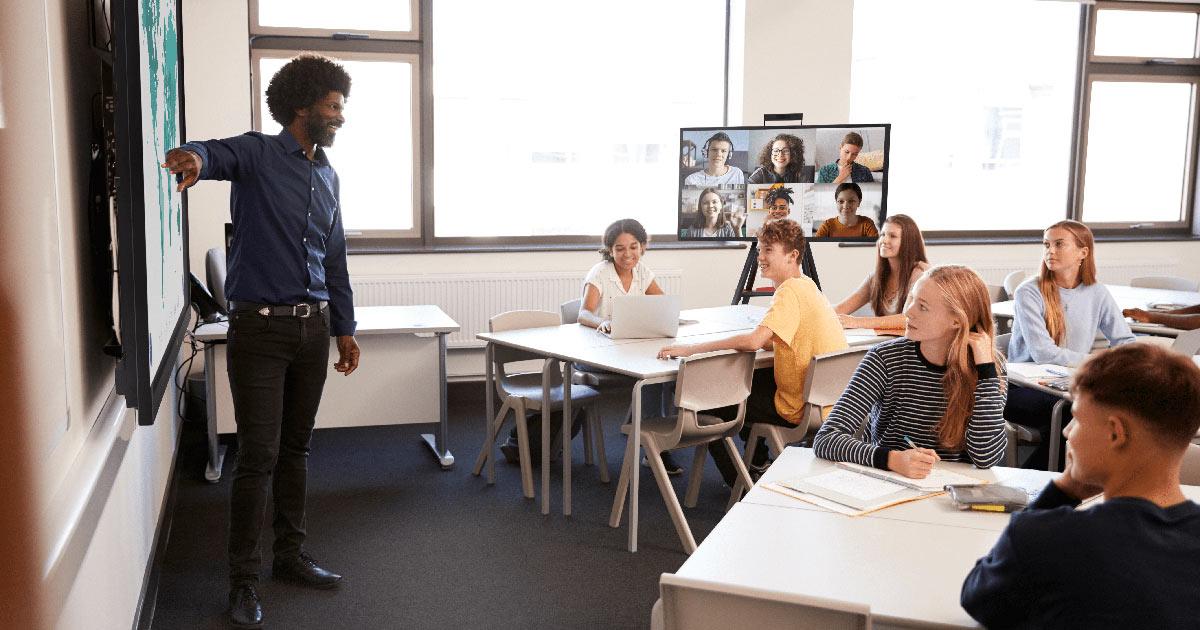
Hybrid classrooms combine customary face-to-face teaching with online learning activities.Students have the option to participate in-class, remotely, or a blend of both.This model ensures educational continuity, personalized learning experiences, and increased participation—no matter the circumstances.
- On-site learners: Attend classes in a physical classroom
- Remote learners: Participate live via video conferencing or engage asynchronously using online platforms
- Flexible scheduling: Accommodates diverse student needs and learning paces
Benefits of Hybrid Classrooms in Modern Education
the hybrid classroom model offers a multitude of advantages that align perfectly with the demands of today’s learners. Here are the top benefits:
- Enhanced Flexibility: Students can choose how and when to learn, leading to better engagement.
- Increased Accessibility: Education becomes more inclusive, supporting students with varying needs and locations.
- Improved Collaboration: Technology bridges the gap between in-person and remote students, fostering teamwork.
- Resource Optimization: Digital materials and recorded sessions can be reused, making learning efficient and enduring.
- Resilience During Disruptions: Whether due to pandemics or local events, learning continues uninterrupted.
Hybrid Classroom Design: Core Strategies for Success
Effective hybrid classroom design blends physical layout and digital infrastructure with pedagogy. Here are essential strategies to craft successful hybrid learning environments:
1. Invest in Cutting-edge Technology Infrastructure
- High-quality audio-visual systems: Use microphones, speakers, and multiple cameras to ensure both in-person and remote learners can see, here, and be seen/heard.
- Interactive displays and smart boards: Facilitate real-time collaboration and content sharing.
- Reliable,high-speed internet: Essential for seamless live streaming,video conferencing,and content access.
- Classroom management software: Choose platforms that integrate with your LMS, support live chat, polling, and breakout sessions.
2. Flexible Physical Classroom Layouts
- Modular furniture: Desks and chairs should be easily reconfigurable to promote different group sizes and activities.
- Interactive zones: Create areas for individual work, small-group discussion, and technology interaction.
- Visibility and acoustics: Arrange seating so all participants, both physical and virtual, can see and hear each other comfortably.
3. Seamless Integration of Learning Platforms
- Unified learning Management System (LMS): Platforms like Canvas, Moodle, or Google Classroom unify course materials, assignments, and communication.
- collaboration tools: Google Workspace, Microsoft Teams, or Slack support real-time discussion and project work.
- Content accessibility: Ensure resources are available in multiple formats (text, video, audio) and follow global design principles.
4. Foster inclusivity and Engagement
- Active learning strategies: Incorporate polls, quizzes, Q&A, and group projects that engage both online and in-class students.
- Clear communication protocols: Establish hand-raising, chat participation, or digital feedback forms to give everyone a voice.
- Accessible materials: Use captions for videos, transcripts, and screen-reader-pleasant resources.
- Regular feedback loops: Collect input from students on what works and what needs betterment.
Practical Tips for Educators in hybrid Classrooms
Mastering the hybrid teaching approach requires intentional planning. Here are some expert tips for educators:
- Design lesson plans that are adaptable for both in-person and online participants.
- Use digital whiteboards and annotation tools to make teaching interactive.
- Facilitate group work by pairing in-person students with remote peers using breakout rooms and collaborative documents.
- Record sessions for asynchronous learning and revision.
- Rotate participation roles, ensuring every student (remote or in-class) is involved and engaged.
- Prioritize digital accessibility and provide tech training for both students and staff.
Case Studies: Real-World Hybrid Classroom Success
Case Study 1: State University’s Smart Classroom Initiative
In 2023, State University revamped its learning spaces, equipping every classroom with dual cameras, interactive projectors, and a robust LMS integration. Faculty underwent extensive hybrid teaching workshops. Results showed a 30% increase in student attendance and positive feedback from learners managing part-time jobs or family commitments.
Case Study 2: K-12 School District’s Flexible Learning Approach
Following the pandemic, a K-12 district implemented modular classroom furniture and invested in chromebooks for every student. Teachers used Google Meet and breakout rooms to blend live and virtual classroom discussions.The district reported greater student engagement, especially among those with previously limited access to resources.
First-hand Insights: Educators Share Their Experiences
“transitioning to hybrid taught me to think beyond the physical space.It’s about crafting experiences where every student feels equally involved, no matter where they are.”
— Maria S., High School Science Teacher
“The best investment was in technology training for staff. It empowered us to fully utilize all the digital tools available and made the hybrid model truly powerful.”
— Jason K., Community college Lecturer
Future Trends in Hybrid Classroom Design
The future of hybrid learning environments is driven by emerging technologies and pedagogical innovation. Here’s what’s on the horizon:
- AI-powered personalization: Automated feedback, personalized assignments, and adaptive content delivery.
- virtual and augmented reality: Immersive,interactive learning experiences for all students,regardless of location.
- Advanced analytics: Real-time insights to improve engagement and learning outcomes.
- Greater focus on digital equity: Expanding internet access and device availability to bridge the digital divide.
Conclusion: Embracing Flexible, Engaging, and Inclusive Hybrid Classrooms
Hybid classrooms are more than a temporary response to recent global events—they’re the foundation of flexible, modern learning. By embracing essential design strategies, leveraging technology, and nurturing inclusive practices, educators and institutions can future-proof their learning environments. The journey may present challenges, but the rewards—a more engaged, accessible, and resilient educational experience—are well worth the effort. Start designing your hybrid classroom today and lead the way in the next era of education.