
hybrid Classrooms: Expert Strategies for Designing Flexible Learning Spaces
In the rapidly changing landscape of modern education, the hybrid classroom model has quickly gained momentum. As schools, colleges, and universities seek to provide flexible learning solutions, designing adaptable and technology-rich hybrid learning spaces has become essential. whether you are an educator, administrator, or facilities manager, equipping your institution with a well-planned hybrid classroom can dramatically enhance both teaching and learning experiences.
What is a Hybrid Classroom?
A hybrid classroom is an educational surroundings where instruction occurs simultaneously for both in-person and remote learners. By blending traditional face-to-face education with virtual learning experiences, hybrid models cater to a wide range of student needs. This approach leverages the latest educational technology, flexible furniture, and innovative teaching methodologies, empowering educators to facilitate interactive and engaging lessons regardless of student location.
Benefits of Hybrid Learning Spaces
Designing and implementing hybrid classrooms offers a wealth of advantages for institutions, educators, and students alike. Here are some of the key benefits:
- Increased Flexibility: Students can choose to attend classes in-person or online, making learning accessible for all.
- improved Accessibility: Hybrid models accommodate diverse learning needs and schedules, supporting students with disabilities or those living remotely.
- Enhanced Engagement: Interactive tools and real-time collaboration bridge the gap between in-person and remote participants.
- Cost Efficiency: Institutions can maximize physical space use and minimize operational costs.
- Future-Proof Education: Hybrid classrooms can adapt to changing circumstances, such as pandemics or evolving educational demands.
Expert Strategies for Designing Flexible Hybrid Classrooms
Creating a flexible and engaging hybrid learning environment involves thoughtful planning and a focus on both physical and digital experiences. Below are expert-recommended strategies for designing spaces that foster collaboration, accessibility, and student success.
1. Prioritize Technology integration
State-of-the-art technology is the cornerstone of effective hybrid classrooms.Ensure your space supports seamless communication and collaboration by including:
- High-Definition Cameras: Capture both teacher and student interactions.
- Quality audio Systems: Use wireless microphones and strategically placed speakers for clear communication.
- Interactive Displays: Allow real-time annotation and content sharing for all participants.
- Reliable internet Connectivity: Invest in robust Wi-Fi to avoid disruptions.
- Collaboration Software: Leverage platforms like Zoom, Microsoft Teams, or Google Meet integrated with learning management systems (LMS).
2. Flexible Classroom Furniture
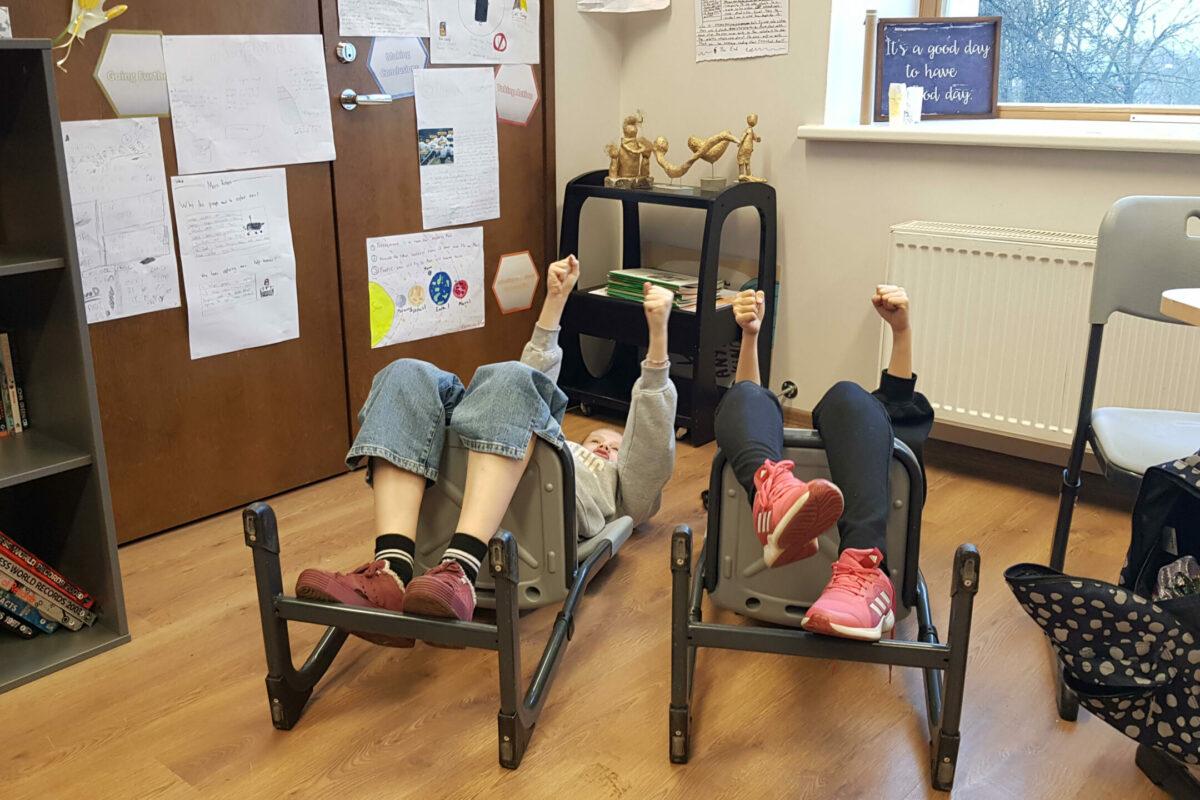
Physical layout matters just as much as technology. Flexible learning spaces feature modular and movable furniture solutions that allow fast reconfiguration to support group work, self-reliant study, or presentations. Consider:
- Modular desks and chairs on casters for easy mobility
- Writable surfaces like whiteboards and portable partitions
- Adjustable lighting to reduce screen glare and support video recording
3. Focus on inclusivity and Accessibility
Design your hybrid classroom to be accessible for everyone, regardless of physical ability or remote status. Strategies include:
- Height-adjustable furniture
- Closed captioning and transcription services for online content
- visual and audio aids for learners with disabilities
- Clear signage and pathways for easy navigation
4. Support Collaboration and engagement
Encourage active participation by incorporating interactive platforms and group activities. Utilize tools such as breakout rooms, polls, quizzes, and collaborative documents to ensure engagement for both in-person and remote students.
5. Optimize Acoustics and Lighting
Good acoustics and lighting are crucial for hybrid learning success. Use sound-dampening panels to minimize echo, especially for microphone clarity. LED lighting with dimmers can be adjusted for varying activities and help improve video quality for remote learners.
Practical Tips for Implementing Hybrid Classrooms
While the design is crucial, implementation matters just as much. Here are some practical tips to get your hybrid classrooms running efficiently:
- Conduct Pilot Programs: Start with a small group of tech-savvy teachers and willing students before rolling out school-wide.
- Train Staff Thoroughly: Provide ongoing professional growth on hybrid technologies and teaching methodologies.
- Gather Feedback: Regularly survey students and instructors for input on what works and what can be improved.
- Provide IT Support: Ensure immediate access to technical assistance during class.
Case Study: Success with Flexible Learning Spaces
Let’s look at how a mid-sized university transformed its traditional lecture halls into modern hybrid learning spaces:
- Classroom Renovations: Outdated fixed seating was replaced with modular tables and seats.
- State-of-the-Art Technology Integration: 4K cameras, ceiling microphones, and interactive smartboards were installed.
- Faculty Training: Ongoing workshops helped instructors adapt lessons for both in-person and remote students.
- Student outcomes: Attendance and engagement increased by 30%, and student satisfaction ratings improved considerably.
This case demonstrates that a thoughtfully engineered hybrid classroom can be a catalyst for positive educational conversion.
First-Hand Experience: Teacher Viewpoint
“Before our school introduced hybrid learning spaces, coordinating with remote students was a logistical nightmare. Now, the tech setup lets me interact with everyone in real-time, share digital resources instantly, and tailor group work to include both virtual and in-person students. Engagement has skyrocketed!” – ms. L. Johnson, 8th Grade Science Teacher
Future Trends in hybrid Classroom Design
As educational technology continues to advance, hybrid classroom designs are evolving. Future trends to watch for include:
- AI-Powered Analytics: Real-time feedback on student participation and understanding.
- Virtual/Augmented Reality: Immersive learning experiences for both onsite and remote learners.
- Clever Scheduling: Automated room and resource management for optimal space usage.
- Eco-Friendly Materials: Sustainable design for healthier, greener classrooms.
- Personalized Learning Paths: Adaptive instruction based on real-time student data.
Conclusion
The future of education lies in flexible hybrid classrooms that combine the best of both physical and digital worlds.By implementing expert strategies—like integrating advanced technology, arranging flexible furniture, and prioritizing accessibility—educators can unlock unparalleled levels of engagement, collaboration, and learning outcomes. As schools and universities continue to embrace hybrid models, designing adaptable learning spaces is no longer a luxury but a necessity for modern, future-ready education.
Are you ready to transform your learning environment? Start implementing these expert strategies and take your hybrid classrooms to the next level!