
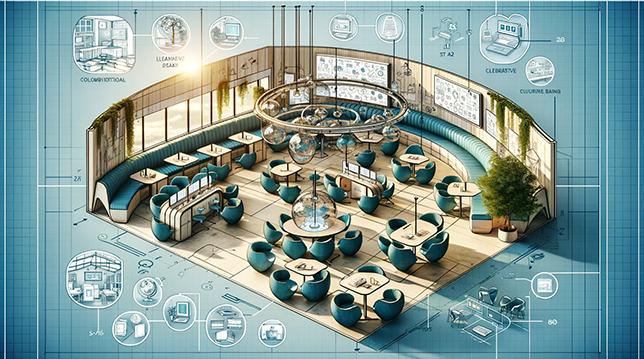
Hybrid Classrooms: Expert Strategies for Designing Flexible Learning Spaces
In today’s rapidly evolving educational landscape, hybrid classrooms have emerged as a game-changing approach, blending customary face-to-face learning with digital instruction. As educational institutions strive to cater to a diverse range of learner needs,the design of flexible learning spaces becomes crucial. whether you’re an educator, administrator, or instructional designer, mastering the art of creating hybrid classrooms can foster higher engagement and improve student outcomes. in this comprehensive guide, we’ll explore expert strategies, practical tips, and real-world examples for designing hybrid classrooms that thrive.
What Are Hybrid Classrooms?
A hybrid classroom integrates both in-person and remote learning, allowing students to participate from the physical classroom or virtually. Powered by educational technology, this model addresses varied learning preferences, scheduling needs, and accessibility concerns. The key to success lies in designing flexible learning spaces that facilitate seamless transition and engagement for all learners—regardless of their location.
Benefits of Flexible Learning Spaces in Hybrid Classrooms
Flexible learning spaces are physical or virtual environments adaptable to different teaching and learning styles. Here’s why they’re essential in the hybrid model:
- Enhanced Engagement: interactive zones, movable furniture, and digital integration keep students active and involved.
- Optimized Collaboration: Adaptable layouts support group work, autonomous study, or virtual team projects.
- Personalized Learning: Students can choose learning modalities that suit them best, whether they prefer in-person, online, or blended participation.
- Future-Proofing Education: Flexible classrooms can easily adapt to changes in technology,curricula,and student demographics.
- Improved Accessibility: Hybrid classrooms break down barriers to participation,supporting remote learners,students with disabilities,and varying schedules.
Expert Strategies for Designing Hybrid Classrooms
effective hybrid learning environments require a thoughtful combination of physical layout, technology, pedagogical practices, and flexibility. Below are key strategies to craft the ideal flexible learning space for hybrid classrooms:
1.Create Adaptable Physical Spaces
- Movable Furniture: use desks and chairs on wheels to quickly reconfigure the room for group work, lectures, or individual study.
- Multiple Learning Zones: Designate areas for collaboration, independent learning, and instructor-led sessions within the same room.
- Clear Sight Lines: Ensure every student, both in-person and online, can see the instructor, screens, and peers without obstacles.
2. Integrate Technology Seamlessly
- audio-Visual Solutions: Install high-quality cameras and microphones so remote students see and hear everything clearly.
- Interactive Displays: Use large interactive whiteboards or displays that both in-person and virtual participants can engage with.
- Collaborative Platforms: Adopt digital tools (like Zoom, microsoft Teams, or google Workspace) for shared documents, real-time chat, and breakout sessions.
- Reliable Wi-Fi: Ensure strong, campus-wide internet connectivity to maximize technology effectiveness.
3. Foster Inclusivity and Engagement
- Equal Participation: Use strategies such as rotating facilitators or group spokespersons to ensure every voice is heard — both onsite and online.
- Accessible Resources: Make all course materials available online to level the playing field for remote learners.
- Frequent Feedback: Leverage learning management systems (LMS) to provide instant quizzes, polls, and feedback mechanisms.
4. Train Staff and Support Students
- Professional Development: Provide educators with ongoing training in digital pedagogy and technology integration.
- Student Orientation: Help students adapt to hybrid learning with orientation sessions covering platforms,expectations,and etiquette.
- Technical Support: Offer dedicated IT support to quickly resolve technical glitches that can disrupt hybrid learning.
5. Prioritize Flexibility and Scalability
- Modular Design: Choose furniture and technology that can be easily scaled up,down,or relocated according to class size or subject changes.
- Hybrid Scheduling: Allow for flexible timetables, such as rotating attendance or offering both synchronous and asynchronous learning options.
Practical Tips for Implementing Hybrid Classroom Design
Applying these expert strategies can seem daunting, but practical steps can ease the transition. Consider these actionable tips when rolling out or upgrading your hybrid classroom:
- Conduct a Needs Assessment: Survey teachers and students about their needs, pain points, and expectations to inform your design choices.
- Pilot Hybrid spaces: Start with one or two classrooms as prototypes. Gather data and refine your approach before wider implementation.
- Invest in Quality Over Quantity: It’s better to have fewer, but well-equipped flex spaces than many under-resourced ones.
- Collaborate with IT Early: Involve your IT department at the planning stage to ensure seamless integration and future compatibility.
- Include Breakout and Reflection Areas: Hybrid classrooms benefit from quiet nooks or digital “rooms” where students can process learning or engage in small group activities.
- Design for Accessibility: Use inclusive design principles — provide captioning, ramped access, and digital tools that support diverse abilities.
Case Study: Real-World Hybrid Classroom Success
Case Study: Riverdale High’s Hybrid Learning Transformation
Riverdale High School, facing both space constraints and a rising demand for flexible education, overhauled its approach by implementing a hybrid classroom model. By redesigning physical classrooms with mobile furniture, high-definition video conferencing systems, and interactive apps, they saw a 25% increase in student engagement and a 40% drop in absenteeism.
- Teachers reported greater ease in managing both in-person and remote students.
- Students cited improved collaboration and reported fewer barriers to participation.
- Administrative staff noticed a boost in classroom utilization and scheduling efficiency.
Riverdale’s experiance underscores the importance of stakeholder collaboration, phased rollouts, and the willingness to refine based on feedback — all key pillars of successful hybrid classroom implementation.
First-Hand Experiences: Educators Speak
“Switching to a hybrid classroom was daunting at first, but designing with flexibility in mind made all the difference. Interactive breakout zones, seamless tech, and a focus on equity have transformed not just how we teach, but how students learn.”
— Maria Nelson, High School English Teacher
“Training is crucial. Educators and students need ongoing support to make the most of hybrid spaces. Investing in both the physical and digital infrastructure paid huge dividends in learning outcomes and engagement.”
— John Fitzpatrick,College administrator
Frequently Asked Questions about Hybrid Classrooms
- What technology is essential for hybrid classrooms? A dependable camera,microphone,interactive display,and high-speed internet are foundational. Supplement with collaborative software and cloud-based document sharing.
- How do flexible spaces impact student learning? Flex spaces increase engagement, accommodate different learning styles, and break down barriers to collaboration, making learning more accessible and personalized.
- How can I ensure inclusivity in hybrid classrooms? Provide all resources online, use accessible technology, and create classroom cultures that value diverse voices and equitable participation.
Conclusion: The Future of Hybrid Classrooms
The shift to hybrid classrooms isn’t just a temporary response to recent global changes — it’s a forward-thinking strategy to future-proof education. By embracing flexible learning spaces and incorporating expert strategies, educators and administrators can create equitable, engaging environments where every learner thrives. With careful planning, continuous feedback, and a willingness to adapt, hybrid classrooms can unlock new potential in education for years to come.