
Hybrid Classrooms: How to Design Flexible Learning Spaces for Modern Education
Hybrid classrooms are revolutionizing modern education by merging face-to-face teaching with remote learning methods. these flexible learning environments enable educators to engage every student, irrespective of their location, and foster collaborative, inclusive, and effective learning. As educational institutions strive to adapt to shifting demands, designing flexible hybrid classrooms has become a top priority for schools, colleges, and universities.
In this complete guide, we explore how to create adaptable spaces that spark innovation, encourage participation, and promote academic success in the era of hybrid education.
What is a Hybrid Classroom?
A hybrid classroom seamlessly combines traditional in-person instruction with remote or virtual learning.It leverages educational technology, thoughtful layout, and interactive strategies to accommodate both physical and online students synchronously.
- Physical presence: Students attend classes on-campus in a traditional setting.
- Remote participation: Learners join classes from home or other locations via live-streams or collaborative platforms.
- Blended experiences: Class activities, discussions, and assessments are tailored to include both groups.
Hybrid classrooms are the cornerstone of flexible learning spaces as modern educators address changing needs, accessibility requirements, and technological advancements.
Why Flexible Hybrid Learning Spaces Matter
Designing flexible hybrid classrooms is essential for creating inclusive learning environments that support various teaching styles and student preferences. These spaces:
- Promote student engagement by accommodating interactive and collaborative activities.
- Boost accessibility for students with different needs or geographic limitations.
- Enhance instructional adaptability, allowing teachers to pivot between instructional methods seamlessly.
- Improve resource utilization, maximizing use of digital tools and physical infrastructure.
- Support resilience in the face of disruptions (such as public health challenges).
The Benefits of Hybrid Classrooms in Modern Education
Hybrid learning spaces offer a wide range of advantages to schools, educators, and students:
1. Enhanced Collaboration and Communication
- Enable team-based projects and peer-to-peer learning, both in-person and online.
- foster global connections,inviting guest speakers or remote experts.
2. Increased Versatility and personalization
- Support varied learning paces and styles with asynchronous resources and live instruction.
- Allow students to access lessons and materials on-demand.
3. expanded access and Equity
- Break down barriers for students who may face health, mobility, or location constraints.
- Provide differentiated instruction and accessibility tools for diverse learners.
4. Future-Ready Skills Development
- Prepare students for real-world digital collaboration.
- Introduce essential technology literacy and communication strategies.
Key Elements of designing flexible Hybrid Classrooms
Turning a regular classroom into a accomplished hybrid learning habitat requires strategic planning and investment in both physical and digital resources. Below are the core components to consider:
1. Ergonomic Furniture and Layouts
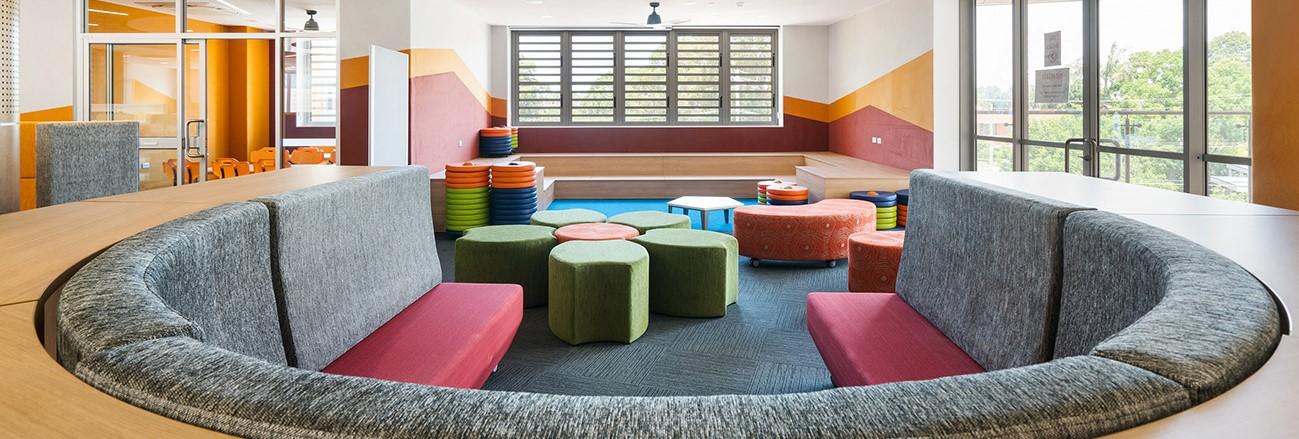
- Opt for movable desks and chairs to easily reconfigure spaces for group work or lectures.
- Include zones for independent study,collaboration,and technology access.
- Design with accessibility in mind (ramps, adjustable furniture, clear pathways).
2. Technology Integration
- Install high-resolution cameras, microphones, and smart boards for clear audio-visual broadcasting.
- Utilize learning platforms (like Google Classroom, Microsoft Teams, or Zoom) for real-time engagement and resource sharing.
- Provide charging stations and ample Wi-Fi connectivity.
3.Lighting and Acoustics
- Maximize natural light and use adjustable lighting options to reduce screen glare and promote comfort.
- Invest in soundproofing or noise-reducing panels to ensure clear communication.
4. Flexibility and Scalability
- Design spaces that can quickly shift from small-group to full-class formats.
- Consider modular partitions or folding walls for adaptability.
practical Tips to Optimize Hybrid Classroom Design
Building flexible hybrid classrooms doesn’t have to be daunting. Here are actionable tips for educators and administrators:
- Assess your school’s existing infrastructure and identify areas for upgrade.
- Pilot hybrid lessons before a full scale rollout to iron out technical or logistical issues.
- Train teachers on tech tools, digital pedagogy, and hybrid classroom management.
- Solicit student feedback on space design and virtual learning experiences.
- Provide clear guidelines on etiquette, participation, and expectations for both in-person and remote students.
- Offer professional development to staff on the latest instructional strategies.
Case Studies: Innovative Hybrid Classroom Designs
1. University of Michigan’s Hybrid Flex Classrooms
The University of Michigan revamped its learning spaces by investing in movable furniture, immersive AV systems, and collaborative software. Faculty report higher student engagement and smoother transitions between remote and onsite teaching.
2. K-12 Adaptation at Cherry Hill Schools
Cherry Hill School District invested in modular furniture, large displays, and sound systems. Teachers use a flexible digital whiteboard and cloud storage to bridge in-person and virtual learning. Post-pandemic surveys show improved participation and accessibility for students with disabilities.
First-Hand Experience: Teacher’s Perspective on Hybrid Learning Spaces
“Introducing hybrid classrooms transformed my teaching approach. Furniture wheels let us switch seamlessly from small group to whole-class discussions. Students at home participate just as actively, thanks to upgraded video/audio equipment. collaboration has soared, and I can personalize instruction.”
– Jane Smith, Middle School Science Teacher
WordPress-Style Visual Tips for Classroom Design
Speedy Checklist for Flexible Hybrid Learning Spaces
- Invest in ultra-flexible furniture and clear sightlines for cameras
- Ensure easy access to outlets, chargers, and reliable Wi-Fi throughout the room
- choose calming color schemes and minimize visual clutter
- Install adjustable lighting and sound attenuation materials
- Stock digital devices (tablets, laptops) for both student and teacher use
conclusion: Shaping the Future of modern Education with Hybrid Classrooms
Hybrid classrooms are reshaping education into a more nimble, inclusive, and technologically advanced experience. Thoughtful flexible learning space design not only addresses the evolving needs of students and teachers but also prepares schools for future challenges and opportunities.By embracing ergonomic furniture, smart technology, and adaptable layouts, institutions foster student engagement, equity, and lifelong learning.
Whether you’re planning a small pilot classroom or a full-school revamp,invest in strategies that encourage collaboration,creativity,and accessibility. The flexible, hybrid learning space is the cornerstone of modern education—building brighter futures, one adaptable classroom at a time.