
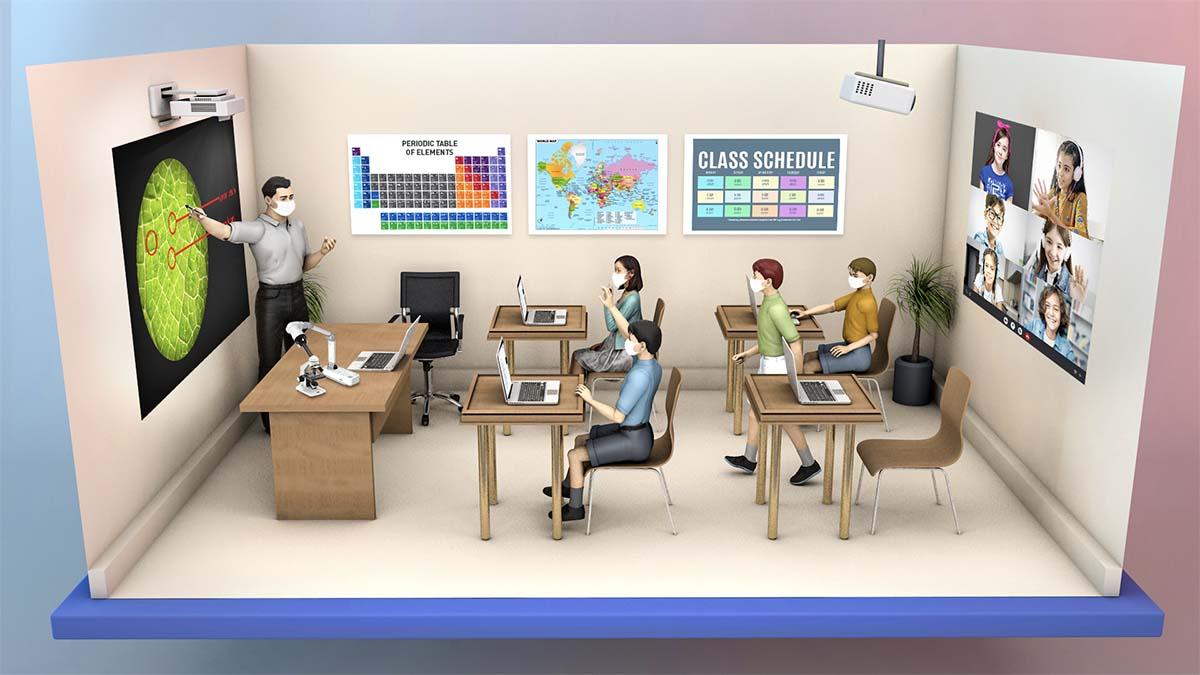
Hybrid Classrooms: How to Design flexible Learning Spaces for the Future
As education continues to evolve in a rapidly changing world, the concept of hybrid classrooms has taken center stage. Blending in-person and online learning, hybrid classrooms present unique opportunities—and challenges—for educators, administrators, and students alike. But what does it take to design a flexible learning environment that is both future-ready and engaging? In this extensive guide, we explore the key principles, tangible benefits, practical tips, and emerging trends in designing flexible learning spaces for hybrid classrooms.
What Are Hybrid Classrooms?
Hybrid classrooms, also known as blended learning environments, integrate traditional face-to-face instruction with online learning experiences. This innovative model empowers instructors to teach students who are physically present in the classroom and those who participate remotely, often together. As schools, universities, and training centers continue to embrace digital conversion, hybrid teaching and flexible classroom design have never been more relevant.
- Simultaneous learning: Students learn together, irrespective of whether they are present in-person or joining virtually.
- technology integration: Hybrid classrooms leverage tools such as video conferencing,interactive whiteboards,learning management systems (LMS),and collaboration platforms.
- Adaptable teaching methods: Educators can incorporate live lectures, asynchronous assignments, and group projects into a unified learning experience.
Benefits of Hybrid Learning Spaces
Creating flexible hybrid learning spaces brings remarkable advantages to the table. Here’s why schools and organizations are prioritizing this educational redesign:
1. Enhanced Accessibility
Hybrid classrooms remove geographic and physical barriers, giving all students the opportunity to participate regardless of location or circumstance. This model supports diverse learning needs and makes education more inclusive.
2. Greater Adaptability
Flexible learning spaces allow for both synchronous and asynchronous activities,providing students with more control over their learning pace and environment.
3. Improved Engagement
Strategic use of technology—in-person and online—promotes active learning, collaboration, and participation. Hybrid classrooms often use group activities, digital polls, and multimedia resources to keep students motivated.
4. Future-Proofing Education
By integrating digital tools and flexible classroom layouts, educational institutions are proactively preparing for any future disruptions.The skills developed in hybrid classrooms—critical thinking, digital literacy, and adaptability—will benefit students for years to come.
Key Elements of a Flexible Hybrid Classroom Design
To create environments that truly support hybrid learning, consider the following essential components:
1. Technology Infrastructure
- Reliable Wi-Fi: Ensure high-speed internet access throughout the classroom.
- Audio-visual equipment: Invest in high-quality cameras,microphones,and speakers for clear communication between remote and in-person students.
- Interactive displays: Use smartboards and screens that allow both local and remote annotation.
- LMS Integration: Employ platforms like Google Classroom, Canvas, or Moodle to streamline content delivery and assignment tracking.
2. Flexible Furniture and Layouts
- modular seating: Choose movable desks and chairs for easy reconfiguration.
- Collaborative zones: Design areas for both group work and autonomous study.
- Accessible design: Comfortably accommodate students with different mobility and learning needs.
3. Acoustic Considerations
- Reduce noise and echo with soft flooring,wall panels,or portable dividers to improve audio quality for remote participants.
4. Lighting & Ambience
- Maximize natural light and use adjustable artificial lighting to minimize screen glare and eye strain.
- Incorporate calming colors and greenery to create a welcoming, focused atmosphere.
5. Safety & Health
- Ensure adequate ventilation and air purification.
- Space out furniture to maintain physical distancing if needed.
- Provide hand sanitizer and easy-to-clean surfaces.
Practical Tips: How to Create Flexible Learning Spaces for the Future
Ready to transform your educational environment? Follow these best practices for designing flexible hybrid classrooms that support both current and future learning needs.
- Involve Stakeholders Early
Gather input from teachers,IT staff,students,and facilities experts when planning space and technology needs.
- Pilot and Iterate
Test your new hybrid classroom setup with a small group first. Use their feedback to make improvements before full-scale implementation.
- prioritize Training
Support educators with hands-on training to build confidence in using hybrid teaching technologies and methods.
- Balance Digital and Physical Resources
Use both analog tools (whiteboards,books) and digital platforms for a rich,multimodal learning experience.
- Facilitate Collaboration
Implement breakout rooms online and create collaborative clusters in the classroom to encourage group work and peer learning.
- Monitor and Adapt
Regularly assess student engagement and learning outcomes, and be flexible enough to adjust layouts, schedules, or technologies as needs change.
Case Studies: Successful Hybrid Learning Environments
To see these strategies in action, let’s look at a few real-world examples of innovative hybrid classroom design:
Stanford University’s Active Learning Classrooms
Stanford has equipped classrooms with multi-angle cameras, ceiling microphones, mobile furniture, and digital annotation screens. Both in-person and virtual students collaborate effortlessly, with consistent engagement measured by learning analytics.
Primary School in Finland
A public school in Finland implemented hybrid learning with flexible pods, integrated nature views, and dynamic technology hubs. Teachers observe increased student autonomy and positive feedback from both parents and pupils.
Corporate Training Centers
Global companies like IBM and Google have designed multipurpose training rooms that adapt to hybrid modalities, fostering teamwork and facilitating seamless global collaboration across time zones.
First-Hand Experience: Educator Insights
According to Mrs. Dana McCarthy, a high school science teacher who piloted a hybrid classroom:
“I love how my classroom can transform from lecture mode to lab work or breakout sessions in minutes. The technology helps me reach my students wherever they are, but it’s the room’s flexibility that really supports different teaching styles and fosters deeper learning.”
Her experience highlights that successful hybrid classrooms are as much about the physical environment as the digital tools.
Emerging Trends in Hybrid Classroom Design
- AI-Powered Personalization: Adaptive learning platforms driven by artificial intelligence are being integrated to support individual student needs.
- Augmented and Virtual Reality: Immersive technologies are enriching lessons and connecting remote and local learners in shared virtual spaces.
- Biophilic Design: Incorporating elements like living walls and nature-inspired décor positively impacts well-being and focus.
Conclusion: designing Flexible Learning Spaces for the Future
Hybrid classrooms aren’t just a passing trend—they’re a powerful evolution in global education. By thoughtfully designing flexible learning spaces, schools and organizations empower educators to personalize teaching and engage every learner, regardless of location. Investing in technology, adaptive layouts, and ongoing professional development ensures that your learning environments remain relevant, resilient, and inspiring.
As you plan for the future of education, remember that hybrid learning is about more than blending online and offline—it’s about creating adaptable spaces that foster curiosity, collaboration, and lifelong growth for all.