
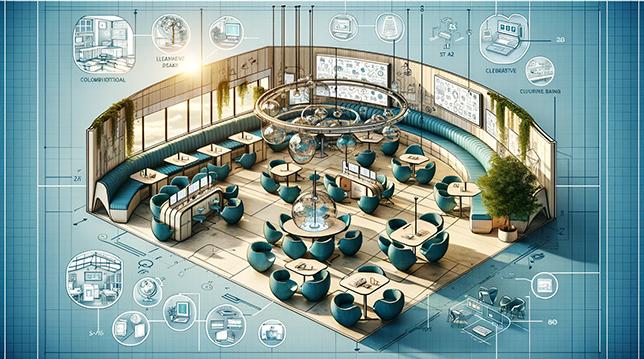
Hybrid Classrooms: Innovative Strategies for Flexible Learning Design
In the rapidly evolving landscape of education, hybrid classrooms have emerged as a transformative model, blending traditional face-to-face instruction with digital learning. This innovative approach to classroom design meets the demands of today’s diverse learners, offering flexibility, accessibility, and a wealth of educational opportunities. Read on to explore the best strategies for flexible learning design in hybrid classrooms, gain insight into their benefits, and discover actionable tips for triumphant implementation.
What Is a Hybrid Classroom?
A hybrid classroom integrates both in-person and online students into a single, cohesive learning environment. Leveraging technology, educators can deliver lessons synchronously (live) or asynchronously (on-demand), ensuring all students have access to course content and collaborative experiences, regardless of physical location.
- Synchronous Learning: Real-time classes where online and in-person students interact simultaneously.
- Asynchronous Learning: Pre-recorded lectures or activities that students can complete on their own schedules.
With these flexible options, hybrid learning accommodates varying schedules, learning preferences, and accessibility needs—making education more inclusive and personalized.
Benefits of Hybrid Classrooms
The surge in flexible learning environments is not just a response to global challenges such as the pandemic, but a strategic shift toward a more adaptive and resilient education system. Below are some key advantages of adopting hybrid learning strategies:
- Flexibility: Students can choose where and how they learn, reducing barriers caused by location or schedule constraints.
- Enhanced Engagement: Variety in instructional delivery keeps students interested and addresses diverse learning styles.
- Increased Accessibility: Students with disabilities or health concerns can fully participate without missing content.
- data-Driven Instruction: Digital tools generate analytics, helping teachers personalize learning pathways and quickly address knowledge gaps.
- Collaboration & Communication: Technology enables instant feedback, group work, and discussion forums that span across geographical boundaries.
- Resilience Against Disruptions: Hybrid classrooms can adapt swiftly to changing circumstances, ensuring learning continuity during emergencies.
Innovative Strategies for Hybrid Classroom Design
Implementing innovative hybrid learning strategies calls for careful planning and creative thinking. Below are tried-and-true methods used by forward-thinking educators to create flexible, effective, and engaging hybrid classrooms:
1. Flipped Classroom Model
In this approach, instructional content is delivered online before class, freeing up in-person or live time for interactive activities, discussions, or group projects. This blends self-paced learning with collaborative experiences.
- Use videos,readings,or multimedia presentations for pre-class engagement.
- Dedicate live sessions to problem-solving, group tasks, and Q&As.
2. Active Learning & Peer Collaboration
Incorporate digital breakout rooms, virtual whiteboards, and collaborative documents (like google Docs) so all students, whether remote or present, participate actively.
- Rotate online/offline group project formations.
- Use audience response apps or live polls to capture real-time feedback.
3. Flexible Assessments and Feedback
Leverage online platforms for formative and summative assessments, such as quizzes, reflection journals, or peer reviews.
- Offer a mix of timed online tests, open-book tasks, and creative assignments.
- Provide timely and personalized feedback using video or audio comments.
4. Seamless technology Integration
Use a robust Learning Management System (LMS) like Canvas, Moodle, or Google Classroom to centralize course materials, announcements, and submissions.
- Set clear digital classroom norms and expectations for hybrid participation.
- Ensure accessibility by using captioned videos and screen-reader-friendly resources.
5. Consistent Communication Channels
Maintain open lines of communication between educators, students, and families.
- Schedule regular check-ins via email, forums, or video calls.
- Create dedicated online spaces for student support and Q&A.
First-Hand Experiences: Real Teachers Share Hybrid Success Stories
Educators worldwide are pioneering hybrid classrooms and sharing their stories of success. For instance:
Ms. linda Patel, High school English Teacher: “I was initially skeptical, but after flipping my classroom and integrating collaborative Google Docs, students became far more engaged, both in-person and online. Their group projects improved, and I could provide richer, faster feedback.”
Dr.James Rodriguez,University STEM Professor: “Using real-time polls and breakout rooms,I made sure everyone—remote or onsite—could contribute. Attendance and participation actually increased, making my hybrid classroom more dynamic than ever.”
These experiences highlight how flexible learning design benefits both educators and students by increasing interaction, motivation, and learning outcomes.
Practical tips for Hybrid Classroom Success
Ready to harness the power of hybrid classrooms? Here are practical tips to set up a thriving flexible learning environment:
- Plan for Equity: Ensure all learners have access to necessary technology and resources. Consider loaner devices or internet subsidies.
- Train Staff and Students: Offer ongoing professional development for teachers and tech orientations for students.
- foster Community: Create hybrid icebreakers, discussion forums, and virtual “open door” hours for relationship-building.
- Stay Organized: Use a consistent layout for LMS modules, clearly label all materials, and post weekly summaries.
- Solicit Feedback: Regularly survey students to adapt teaching methods and address challenges quickly.
- Emphasize Wellbeing: Incorporate mindfulness breaks, movement activities, and mental health resources.
Case Study: Hybrid Learning in Action
Case Study: Riverdale Middle School’s Hybrid Science Program
Riverdale Middle School adopted a hybrid model for its science curriculum. teachers delivered introductory lessons via pre-recorded videos,freeing up class time—online and onsite—for experiments and group discussions.Students worked on collaborative projects using cloud-based tools and engaged in peer review sessions every week through their LMS.
As a result:
- Test scores improved by 12% year-over-year.
- Absenteeism dropped, as remote participation counted as full engagement.
- Teachers reported greater job satisfaction due to increased flexibility and creativity.
hybrid Classroom Technologies to Explore
Hybrid classrooms thrive on the right technological foundation. essential digital tools include:
- Video Conferencing Platforms: Zoom, Microsoft teams, Google meet
- LMS Solutions: Canvas, Moodle, Google Classroom
- Collaboration Tools: Padlet, Slack, Trello, google Workspace
- Assessment & Feedback: Kahoot!, Quizizz, Flipgrid
- Accessibility Tools: Otter.ai for transcription, Read&Write for literacy support
When selecting hybrid classroom technology, prioritize reliability, accessibility, and ease of use for both teachers and students.
Conclusion: The Future of flexible Learning is Hybrid
As education continues to evolve, hybrid classrooms stand out as a powerful solution for flexible, inclusive, and engaging learning experiences. by incorporating innovative strategies, leveraging technology, and focusing on student-centered design, schools and educators can meet the unique challenges and opportunities of 21st-century learning. Whether you’re just getting started or refining your approach, embracing hybrid learning is the key to building a resilient and future-ready classroom.
Tagged: Hybrid classrooms, flexible learning design, hybrid learning strategies, education technology, innovative teaching methods