
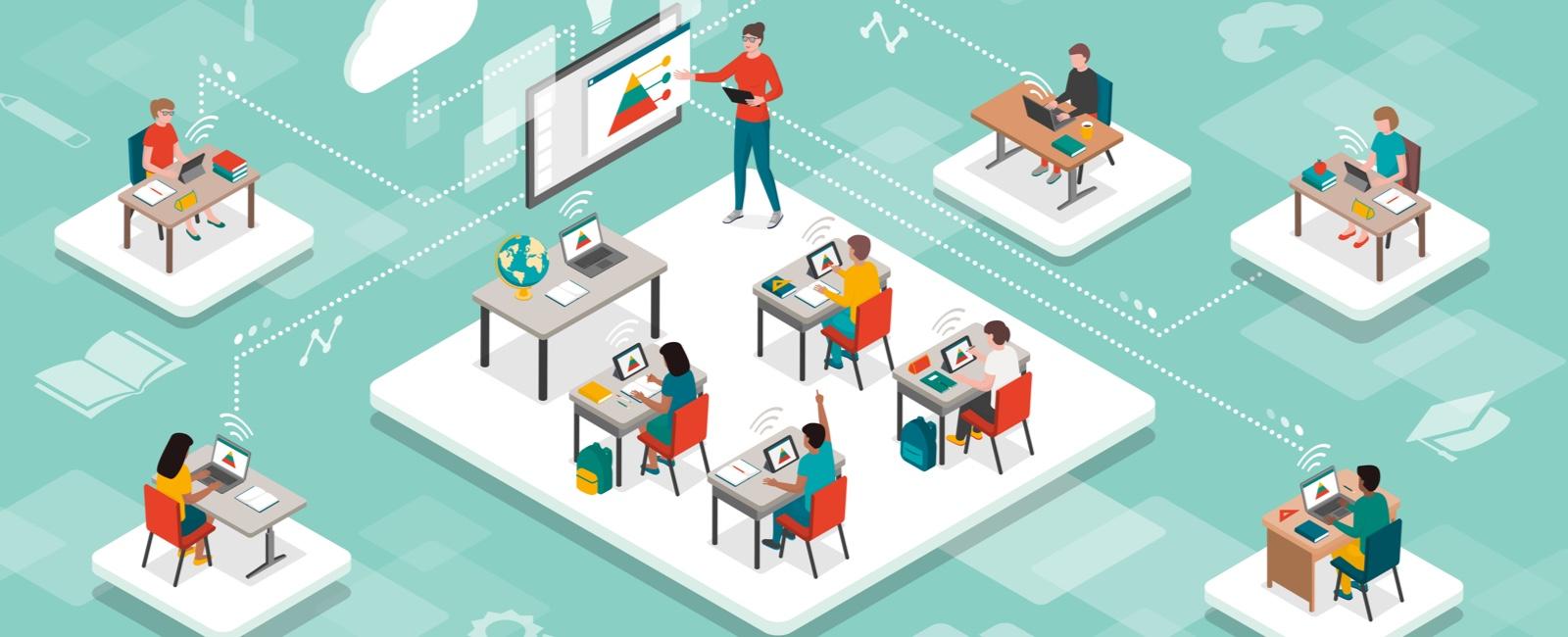
Hybrid Classrooms: Key Strategies for Flexible and Effective Learning Environments
Hybrid classrooms have rapidly emerged as a transformative solution, combining the best of online and face-to-face learning. as education shifts to meet 21st-century needs, mastering the art of hybrid teaching is crucial for educators, administrators, and learners. This complete guide explores proven strategies, actionable tips, and firsthand insights to help you create flexible, engaging, and effective hybrid learning environments.
What Are hybrid Classrooms?
Hybrid classrooms are innovative educational environments that blend conventional face-to-face teaching with online and remote learning components. This model allows for a seamless integration of technology,ensuring students can participate irrespective of their physical location. hybrid learning environments are increasingly being adopted in schools, universities, and training centers worldwide, offering flexibility, accessibility, and a personalized approach to education.
Why are Hybrid Classrooms Important?
- Flexibility: Accommodates diverse learning needs and schedules.
- Accessibility: Bridges the gap for remote and on-campus learners.
- Resilience: Ensures continuity in face of disruptions like pandemics.
- Engagement: Utilizes technology for multimedia content and interactive activities.
- Personalization: Enables tailored instruction for individual progress.
Benefits of hybrid Classrooms
Hybrid classrooms provide a host of benefits for students and teachers alike. by integrating both physical and virtual learning spaces, educators can offer:
- Enhanced Collaboration through discussion boards, video conferencing, and group projects.
- Greater Student Autonomy thanks to self-paced online modules.
- Expanded Reach to students unable to attend in person due to geography or other constraints.
- Resource Accessibility—digital materials, recorded lectures, and online assessments are always available.
- data-Driven Insights from learning management systems (LMS) for ongoing betterment.
Key Strategies for Building Flexible and Effective Hybrid learning Environments
Creating a dynamic hybrid classroom requires thoughtful planning and strategic implementation. Below are several proven strategies to maximize both flexibility and effectiveness:
1. Invest in Robust Technology Infrastructure
- Reliable internet connectivity for both in-class and remote students.
- High-quality cameras, microphones, and projectors to bridge the physical and virtual divide.
- Use of cloud-based platforms such as Google Classroom,Microsoft Teams,or Moodle.
2.Establish Clear Interaction Channels
- Timely notifications via email, LMS, or group chats.
- Regular check-ins and feedback sessions between teachers and students.
- Digital office hours for remote support.
3. Design Inclusive Lesson Plans
- Create activities catering to both face-to-face and online learners.
- Incorporate multimedia resources such as videos, podcasts, and interactive quizzes.
- Differentiate instruction to meet unique learning needs.
4. Facilitate Active Participation
- Use breakout rooms for collaborative work.
- Integrate polling tools, live chats, and Q&A sessions.
- Encourage peer-to-peer teaching and group discussions.
5. Monitor Engagement and Progress
- Track attendance and participation rates via LMS analytics.
- Provide timely grades and constructive feedback.
- Identify struggling students early and offer targeted support.
6. Foster Community and Belonging
- Create virtual clubs,forums,and networking events.
- Promote social-emotional learning and mindfulness activities.
- Regularly celebrate achievements both online and in-person.
Practical Tips for Implementing Hybrid Classrooms
Looking to launch or refine your own hybrid learning habitat? Here are some practical tips for educators and administrators:
- Start Small: Pilot hybrid lessons with a single class or unit before scaling up.
- Train Educators: Regular professional development in technology integration and remote instruction is essential.
- Gather Feedback: Survey students and parents about their experiences to refine the process.
- Prioritize Accessibility: Ensure all materials are accessible to students with disabilities or differing tech abilities.
- Plan for Flexibility: Expect the unexpected—be ready to pivot between online and in-person formats as needed.
Case Studies: Successful Hybrid Classroom Models
University of Melbourne: Blended Engineering Labs
By outfitting labs with cameras and remote access tools,students participate in real-time experiments from home,collaborating seamlessly with on-campus peers.Faculty report increased engagement and better learning outcomes.
K-12 Districts in Florida: Hybrid Learning Days
Some districts implemented hybrid schedules, alternating in-person and online attendance. Surveys show improved student satisfaction, higher attendance rates, and teacher thankfulness for the flexibility.
Corporate Training at Leading Tech Firms
Businesses run workshops and onboarding via hybrid models, using interactive webinars and in-office sessions. Trainees rate these formats highly for convenience and engagement.
Firsthand experience: Insights from Educators
“We saw our students thrive in the hybrid setup. Some of the quietest learners became active contributors online.The flexibility also made it easier to address individual learning gaps.”
– Linda reyes, High School Science Teacher
“Hybrid teaching took extra planning, but the technology empowered us to teach more creatively and reach diverse learners. The key was clear routines and open communication.”
– Mark V., University Lecturer
Overcoming Common Hybrid Learning Challenges
- Technical Difficulties: Provide IT support and backup plans for device failures.
- Student Equity Issues: Supply loaner devices and hotspots for those in need.
- Teacher Workload: Streamline lesson prep using shared resources and collaborative planning.
- Maintaining Engagement: Integrate gamification, contests, and varied activities.
Future Trends in Hybrid Education
- AI-Driven Learning: Adaptive technology that personalizes lessons for each student.
- Augmented & Virtual Reality: Hands-on immersive learning experiences,both in-class and online.
- Data Analytics: Deep insights for teachers to track and enhance student performance.
- International Collaboration: Cross-border virtual classrooms foster global engagement.
Conclusion: Empowering Flexible and Effective Learning
Hybrid classrooms represent the future of education—a future that’s flexible, inclusive, and adaptive. By leveraging technology, employing strategic practices, and fostering a culture of collaboration, educators can unlock new possibilities for student success. Whether you’re beginning your hybrid journey or refining an existing model, focus on communication, personalization, and ongoing improvement. With these tools, your hybrid classroom can truly become a thriving, effective learning environment for all.
Ready to transform your educational space? Start implementing key hybrid classroom strategies today and lead the way to a brighter, more flexible future in learning.