
Hybrid Classrooms: Proven Strategies for Designing Flexible Learning Spaces
Hybrid classrooms are redefining the landscape of modern education, seamlessly merging physical and digital learning environments. As schools and institutions adapt to new modes of teaching,the need for flexible classroom designs and innovative hybrid learning strategies becomes increasingly vital. Whether you are an educator seeking to enhance student engagement or an administrator looking to upgrade your facility, this extensive guide will walk you thru the benefits, expert strategies, and actionable tips for creating effective hybrid learning spaces.
Table of Contents
- What Are Hybrid Classrooms?
- Benefits of Hybrid classroom Design
- Proven Strategies for Designing Flexible Learning Spaces
- Practical Tips for Implementing Hybrid Classrooms
- Case Studies: Real-World Examples of Hybrid Classrooms
- Conclusion
What Are Hybrid Classrooms?
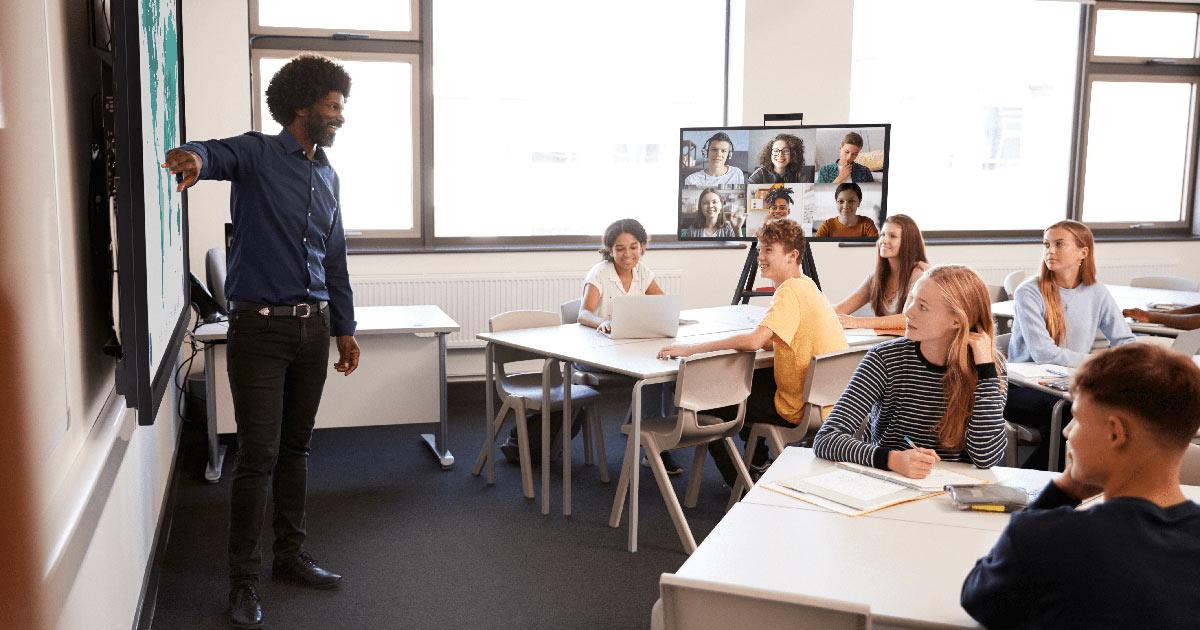
A hybrid classroom combines conventional face-to-face instruction with online learning components, allowing students to participate either in-person or remotely. This model offers flexibility,accessibility,and personalized learning experiences. With the growing integration of educational technology, hybrid classrooms have evolved from temporary solutions into robust, permanent fixtures in education.
Key Features of Hybrid Classrooms
- Simultaneous in-person and remote teaching
- Technology-enabled collaboration tools (projectors, interactive whiteboards, webcams)
- Flexible seating and classroom layouts
- Accessible digital resources for all learners
Benefits of Hybrid Classroom Design
Designing a flexible hybrid classroom delivers a multitude of benefits for students, educators, and administrators:
- Increased Access and Equity: Students can participate nonetheless of location, reducing barriers related to transportation or health.
- Personalized Learning: Learners can access content at their own pace and revisit recorded lectures for deeper understanding.
- engaged Students: Technology-driven activities increase interaction, collaboration, and motivation.
- Enhanced Collaboration: Digital platforms encourage teamwork beyond physical boundaries.
- Cost Efficiency: Flexible use of classroom space and resources can reduce operational costs for schools.
proven Strategies for Designing Flexible Learning Spaces
Creating effective hybrid classrooms requires a strategic approach to both physical and digital infrastructure. Here are proven strategies to guide your design:
1. Dynamic Furniture and Modular Layouts
Choosing the right furniture is crucial for hybrid classroom success.Implement moveable desks, chairs on casters, and foldable tables to allow swift reconfiguration for group work or lectures. Invest in ergonomic seating to cater to long sessions and accommodate learners with different needs.
- Install modular storage units for institution.
- Design open floor plans to facilitate movement and reduce crowdedness.
- Designate technology zones with charging stations and device stands.
2. Integrated EdTech Tools
Leverage modern education technology to bridge the gap between in-person and remote attendees.Equip your classroom with:
- High-definition webcams and microphones for clear communication
- interactive whiteboards for dynamic content sharing
- Wireless projection systems for seamless device connectivity
- Learning Management Systems (LMS) for resource sharing and participation tracking
3. Robust Connectivity
Reliable Wi-Fi is essential. Ensure your hybrid learning space supports high-speed internet to reduce lag, disconnects, or delays during live sessions. Consider backup internet solutions or hotspots for continuity.
4. Acoustic Solutions for Clear Communication
Install acoustic panels, carpeting, or sound dampeners to minimize background noise, which is especially crucial for remote learners relying on audio clarity.
5. Lighting and Visual Aids
Natural and adjustable lighting can reduce eye strain and improve engagement. Use projectors, large screens, and clear boards so all learners—both remote and on-site—can access visual facts easily.
6. Flexible Scheduling and Lesson Planning
Adopt scheduling tools and digital calendars to coordinate hybrid sessions effectively. Plan lessons that naturally integrate in-person and online participation, such as flipping the classroom or using breakout rooms for group work.
Practical Tips for Implementing Hybrid Classrooms
Embarking on your hybrid learning journey? Here are actionable steps and best practices for educators and administrators:
- Start with a Needs Assessment
Identify the specific needs of your students, teachers, and institution. Survey stakeholders to understand technology access, preferred learning styles, and classroom limitations. - Pilot Small Changes
Before a full rollout, trial new layouts or technology in one or two classrooms. Collect feedback and make adjustments. - Upgrade Infrastructure
Ensure your school has the necessary bandwidth, power outlets, and AV equipment. Don’t forget surge protection and cable management solutions. - invest in Teacher training
Offer workshops and resources to help educators confidently use new technology and adapt teaching methods for hybrid learning. - Implement Clear communication Channels
Establish rules for participation, attendance, and submission of work. Utilize chat platforms, discussion boards, or apps for real-time interaction.
Engaging Students in Hybrid Environments
- Use polls, quizzes, and live Q&A sessions to encourage participation.
- Assign collaborative projects that span both online and in-person students.
- Provide regular feedback and virtual office hours for support.
Case Studies: Real-World Examples of Hybrid Classrooms
Institutions worldwide have successfully adopted hybrid classroom solutions. Below are two illustrative examples highlighting their journey:
Case Study 1: Urban High School Revamps Learning Spaces
An inner-city high school in Chicago reimagined its classrooms post-pandemic by removing fixed desks and installing mobile units paired with interactive screens. teachers reported a 40% increase in student collaboration, and absenteeism dropped as students could attend remotely when needed.
Case Study 2: University Creates Hybrid Lecture Theatres
A university in California leveraged grant funding to develop hybrid lecture spaces with 360-degree cameras, advanced audio systems, and cloud-based collaboration apps. the result: increased satisfaction among remote learners and faculty,and also higher overall course completion rates.
Conclusion
the transition to hybrid classrooms isn’t just a response to changing times—it’s a leap toward a more inclusive, adaptive, and engaging educational future. By investing in flexible learning spaces and the right strategies, schools and educators empower students to thrive in any surroundings. Whether you’re just starting or seeking to enhance your existing hybrid setup, remember: flexibility, thoughtful design, and proactive engagement are the keys to hybrid classroom success.
For more tips and expert advice on educational technology, classroom management, and hybrid learning environments, stay tuned to our blog. Ready to embark on your hybrid teaching journey? Start designing your optimum flexible learning space today!