
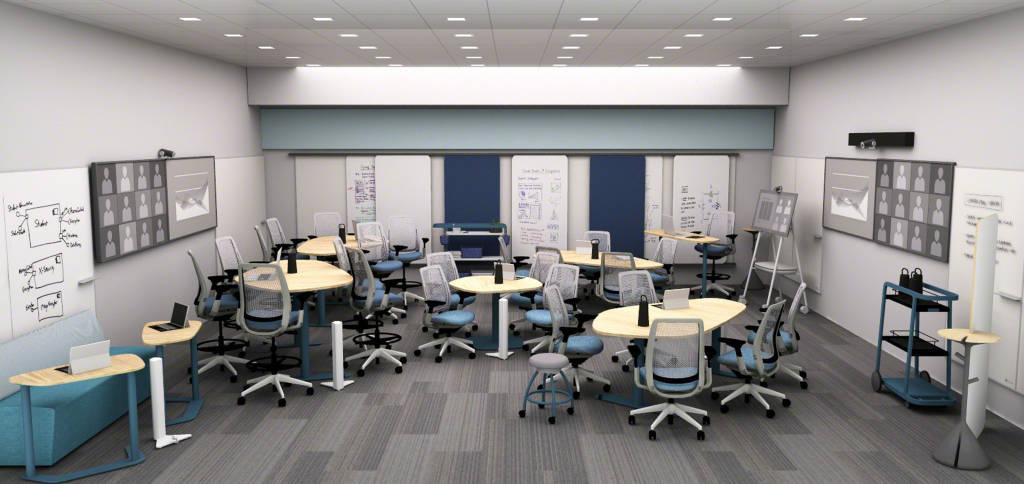
Hybrid Classrooms: Strategies for Designing Flexible and Adaptive Learning Spaces
As education evolves, hybrid classrooms have emerged as a powerful solution for addressing the diverse needs of modern learners. The fusion of physical and digital learning environments offers unprecedented flexibility, accessibility, and adaptability. In this comprehensive guide, we’ll explore effective strategies for designing hybrid classrooms, share practical tips, discuss key benefits, and provide real-world case studies for educators, administrators, and the edtech community.
Understanding Hybrid Classrooms
Hybrid classrooms combine traditional in-person instruction with online learning methods, creating flexible learning spaces where students can participate, collaborate, and engage, nonetheless of their location. This approach leverages innovative technologies, adaptive learning platforms, and thoughtful design to support student-centered education.
- Flexibility: Accommodates varied schedules and learning preferences.
- Accessibility: Supports both remote and in-person learners.
- Scalability: Enables teachers to reach more students effectively.
- Personalization: Empowers learners to select the mode best suited for their needs.
Benefits of Flexible and Adaptive Hybrid classroom Design
Well-designed hybrid learning environments benefit both educators and students by embracing flexibility and adaptability across multiple dimensions.
1. Enhanced Student Engagement
hybrid classrooms can boost student engagement through interactive technologies, multimedia content, and opportunities for real-time collaboration. This dynamic approach keeps lessons fresh and stimulates active learning.
2. Personalized Learning Experiences
By enabling students to access resources at their own pace and through their preferred channels, hybrid classroom strategies foster personalized learning journeys. Learners can benefit from customized feedback, adaptive assessments, and targeted support.
3. Improved Educational Accessibility
Hybrid spaces eliminate barriers to participation, ensuring that students with diverse backgrounds, abilities, or geographical constraints can fully engage with course materials. This inclusivity helps promote equal opportunities for success.
4. Future-Proof Education
As technology transforms education,adaptive learning spaces prepare students for real-world challenges. Hybrid classroom design integrates cutting-edge tools, making learners familiar with digital collaboration and interaction platforms crucial for tomorrow’s workplace.
Key Strategies for Designing Flexible and Adaptive Hybrid Classrooms
To maximize the potential of hybrid education, thoughtful design and strategic planning are essential. Here are proven strategies for creating effective hybrid classroom environments:
1. Invest in Robust Technology Infrastructure
- Reliable High-Speed Internet: Ensure seamless online video streaming, resource sharing, and collaboration.
- Interactive Displays and Whiteboards: Support both in-person and remote engagement.
- Audio-Visual Equipment: Install cameras and microphones to broadcast lessons and facilitate real-time interactions.
- Learning Management Systems (LMS): Use platforms like Canvas, Google Classroom, or Moodle to centralize resources and communication.
2. Flexible Physical Layouts
- Mobile Furniture: Tables and seating can be easily rearranged to suit different activities and group sizes.
- clear Sight Lines: Every learner, in-person or virtual, should have a clear view of instructors and visual materials.
- Multipurpose Zones: Designate spaces for individual study, group collaboration, and technology use.
- Accessible Pathways: Ensure room layouts support mobility and inclusivity for all students.
3. Leverage Adaptive Learning Tools
- Personalized Content Delivery: Use adaptive software to tailor lessons to individual needs and pace.
- Digital Assessment Tools: Integrate quizzes, polls, and formative assessments to gauge understanding and adjust instruction.
- Collaborative Platforms: Encourage communication and teamwork using tools like Zoom, Microsoft Teams, and Slack.
4. Foster Community and Collaboration
- Encourage Peer Interaction: Blend small in-person and remote groups for projects and discussions.
- Virtual office Hours: Make instructors accessible to all students, regardless of location.
- Hybrid Events: Organize workshops, guest lectures, and activities that connect remote and on-campus learners.
5. Prioritize Professional Growth
- Staff Training: Offer regular workshops on technology integration and remote teaching strategies.
- Resource sharing: Foster communities of practice where teachers exchange tips and materials.
- Feedback Mechanisms: Collect input from staff and students to refine classroom approaches.
Practical Tips for Optimizing Hybrid Classroom Design
Creating flexible and adaptive learning spaces involves continuous improvement. Use the following tips to enhance your hybrid classroom:
- Choose cloud-based platforms for storing lessons and resources, allowing easy access from anywhere.
- Implement digital signage to keep learners informed about schedules, activities, and safety protocols.
- Create “tech checklists” for equipment before lessons to avoid interruptions.
- Utilize breakout rooms and shared digital whiteboards for small group work during synchronous sessions.
- Design with universal design principles (UDL) for maximum inclusivity.
- Solicit regular feedback and adapt spaces and technologies in response.
Case Studies: Real-World Hybrid Classroom Success Stories
Case Study 1: A University’s Innovative Approach
Michigan State University redesigned its business school’s classrooms by integrating mobile furniture, ceiling microphones, and multiple camera angles.Their hybrid model allowed students to join from anywhere, participate in class discussions, and collaborate on group presentations, proving the power of flexible layouts and comprehensive AV solutions.
Case Study 2: K–12 District Change
A public school district in California invested in Chromebooks for 1:1 student access and revamped classrooms with modular desks, facilitating project-based learning. teachers used Google Classroom to blend synchronous and asynchronous activities, successfully engaging both remote and in-person learners.
First-Hand Experiance: Educator Insights
Teachers who have embraced hybrid classrooms emphasize the importance of adaptability and communication. One high school English teacher shared:
“I learned to keep all lesson materials organized online, so absent students could pick up right where they left off.Group activities work best when both in-person and remote students feel seen and heard—so integrating chat tools and digital whiteboards has become a staple in my teaching.”
Similarly, a university professor highlights that regular technical training, combined with feedback surveys, helps educators stay ahead of challenges and continuously improve the hybrid experience.
Best Practices for Maintaining Flexible and adaptive Hybrid Classrooms
- Continual Assessment: Monitor what’s working and what’s challenging for students and instructors.
- Iterative redesign: Be willing to modify classroom layouts, technologies, and teaching practices.
- Focus on Equity: Ensure learning materials and participation methods are accessible to everyone.
- Scalable Solutions: Choose tools and setups that can easily expand as class sizes or needs change.
- Community Involvement: Include students, parents, and staff in the planning and feedback process.
Conclusion: Embracing the Future of Hybrid Learning Spaces
Hybrid classrooms are revolutionizing education by making learning spaces more flexible and adaptive than ever before. by leveraging robust technology, flexible classroom layouts, adaptive tools, and a collaborative approach, educators can create inclusive environments that meet the needs of all students. Investing in hybrid classroom design is not just a response to current challenges—it’s a strategic move towards a future-ready educational system.
Whether you’re just beginning your journey with hybrid learning or looking to refine your approach,following proven strategies and embracing continuous improvement is key. Flexible and adaptive learning spaces empower both teachers and students, fostering a richer, more engaging, and equitable learning experience for everyone.