
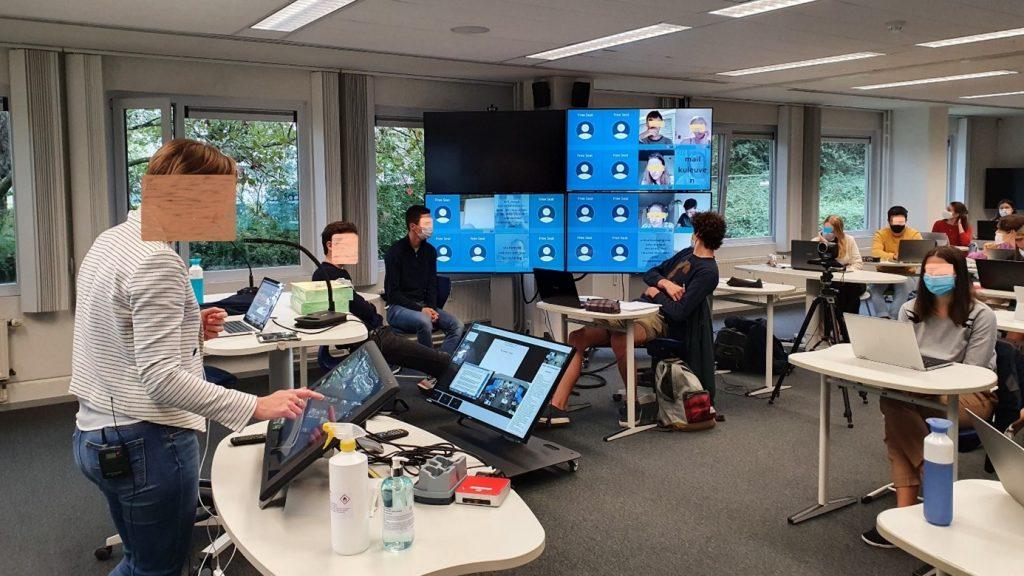
Hybrid Classrooms: Top Strategies for Designing Flexible Learning Environments
In today’s rapidly evolving educational landscape, hybrid classrooms are redefining how students learn and teachers instruct. Blending face-to-face engagement with online learning opportunities, hybrid classrooms enable schools, colleges, and organizations to create flexible learning environments that accommodate diverse needs and learning styles. But how can educators optimize the design and delivery of hybrid learning? In this guide, you’ll discover the top strategies for designing accomplished hybrid classrooms, uncover their key benefits, explore practical tips, and review real-world case studies of hybrid learning in action.
What Are Hybrid Classrooms?
A hybrid classroom is a learning environment where instruction is delivered simultaneously to both in-person and remote students. Using a mix of classroom technology, digital platforms, and collaborative tools, hybrid teaching bridges the gap between traditional and online learning.
- Face-to-face learners: Attend classes physically, engaging directly with teachers and peers.
- Remote learners: Join through live video streams, recorded sessions, and virtual collaboration platforms.
The concept supports flexible learning environments, ensuring education remains accessible and adaptable in any circumstance, from global disruptions to individual scheduling needs.
Key Benefits of Hybrid Learning Environments
Adopting a hybrid classroom model offers transformative advantages for learners,educators,and institutions:
- Increased Adaptability: Students can participate regardless of location,scheduling conflicts,or personal circumstances.
- Personalized Learning: Hybrid classrooms make it easier to differentiate instruction, catering to diverse learning styles and pacing.
- Enhanced Engagement: Interactive technologies and multimedia tools boost student involvement and motivation.
- Resource Efficiency: Digital content, recorded lectures, and collaborative tools enable ongoing access to materials and support self-paced study.
- Learning Continuity: Hybrid models ensure instructional resilience when faced with disruptions such as public health emergencies or weather events.
Top strategies for Designing Flexible Hybrid Classrooms
Effectively designing a hybrid classroom goes beyond simply streaming lessons. Consider these best practices for creating flexible learning environments:
1. Invest in Robust, Integrated Technology
- Quality AV Equipment: Install reliable cameras, microphones, and displays to ensure clear interaction between in-class and remote participants.
- Learning management Systems (LMS): Utilize platforms like Canvas, Moodle, or Google Classroom to centralize resources, assignments, and communication.
- Interactive Tools: Use digital whiteboards (e.g., Jamboard, Miro) and polling apps (e.g., Mentimeter) to facilitate real-time collaboration.
2. Redesign the Physical and Virtual Space
- Flexible Furniture: Use movable desks, chairs, and partitions to support varied group configurations and active learning.
- hybrid-Amiable Layouts: Position screens, cameras, and microphones so remote students see, hear, and participate equitably.
- Virtual Breakout Rooms: Design online spaces for small-group work that mirror in-person activities.
3.Foster Inclusivity and Engagement for All Students
- Assign Roles: Rotate tasks such as note-taker, discussion leader, or tech support to ensure remote and in-person students are equally engaged.
- Active Participation: Use chat, polls, and discussion forums to give every student a voice.
- Accessible Content: Ensure all materials (videos, slides, readings) are accessible, with captions, transcripts, and compatibility across devices.
4. Rethink Your Pedagogy
- flipped Classroom Model: Have students review lectures or readings online before class, so face-to-face time is focused on collaborative activities and discussions.
- Worldwide Design for Learning (UDL): Incorporate multiple means of representation, expression, and engagement to support diverse learners.
- Scaffolded Support: Provide extra check-ins and resources for remote learners to ensure they don’t fall behind.
5. Streamline Communication and Community-building
- consistent Schedules: Set clear calendars and communicate expectations regarding attendance, participation, and deadlines.
- Feedback Loops: Build in opportunities for students to share feedback on the hybrid experience and make iterative improvements.
- Peer Connections: Encourage group projects and peer mentorship that bridge the gap between remote and in-class students.
Practical Tips for Educators Embracing Hybrid Teaching
- test Technology in Advance: Avoid day-of glitches by rehearsing camera angles, microphone placements, and online tool integrations.
- Blend Synchronous and Asynchronous Activities: Combine live sessions with autonomous, self-paced assignments for maximum flexibility.
- Record Sessions: archive lectures and discussions so absent students or those needing review can catch up easily.
- Encourage Collaboration: Use tools like Google Docs or Padlet for collaborative notes and brainstorming across locations.
- Monitor Well-being: Check in with students regularly, as hybrid learning can sometimes feel isolating for remote participants.
Case Study: Hybrid Learning in Higher Education
many colleges and universities have become pioneers in the adoption of hybrid learning environments. For example, State University X launched a campus-wide hybrid initiative following the 2020 global shift to remote learning. Key results included:
- A 27% increase in student engagement, thanks to virtual breakout groups and discussion boards integrated into every course.
- Improved accessibility services,including real-time captions and assistive technologies,supporting a more diverse student body.
- Faculty professional development sessions on hybrid pedagogy, leading to more creative, inclusive lesson planning.
Feedback from students showed strong recognition for the flexibility and varied learning modalities, especially among those balancing work, family, or health challenges.
Firsthand Experience: Teacher Reflections
“Switching to a hybrid classroom model was a game-changer for my students. The biggest learning curve was making sure remote students felt as present and heard as those in the room.Incorporating shared digital workspaces and scheduled check-ins made all the difference. Both groups learned from each other’s perspectives, and engagement soared.”
— Ms. Rivera,High School English Teacher
Common Challenges and How to Overcome Them
- Technical Difficulties: Mitigate by providing tech support and training for educators and students.
- Equity Issues: Address with loaner device programs, Wi-Fi hotspots, and accessible digital resources.
- Maintaining Engagement: Use a variety of media, interactive apps, and active learning strategies to keep all students involved.
- Assessment Dilemmas: Shift towards project-based and formative assessments that measure understanding beyond traditional tests.
Conclusion: The Future of Flexible Learning Environments
The hybrid classroom is no longer a stopgap solution—it’s an opportunity to reimagine education for the 21st century. By leveraging smart technology, flexible design, and inclusive pedagogy, educators can cultivate flexible learning environments that empower every student to succeed. Whether you’re just beginning your hybrid teaching journey or seeking to enhance your existing approach, the strategies shared here will help you build dynamic, equitable, and resilient classrooms—today and for the future.
Ready to transform your hybrid learning environment? Explore our blog for more insights, tools, and resources on next-generation teaching and learning strategies.