
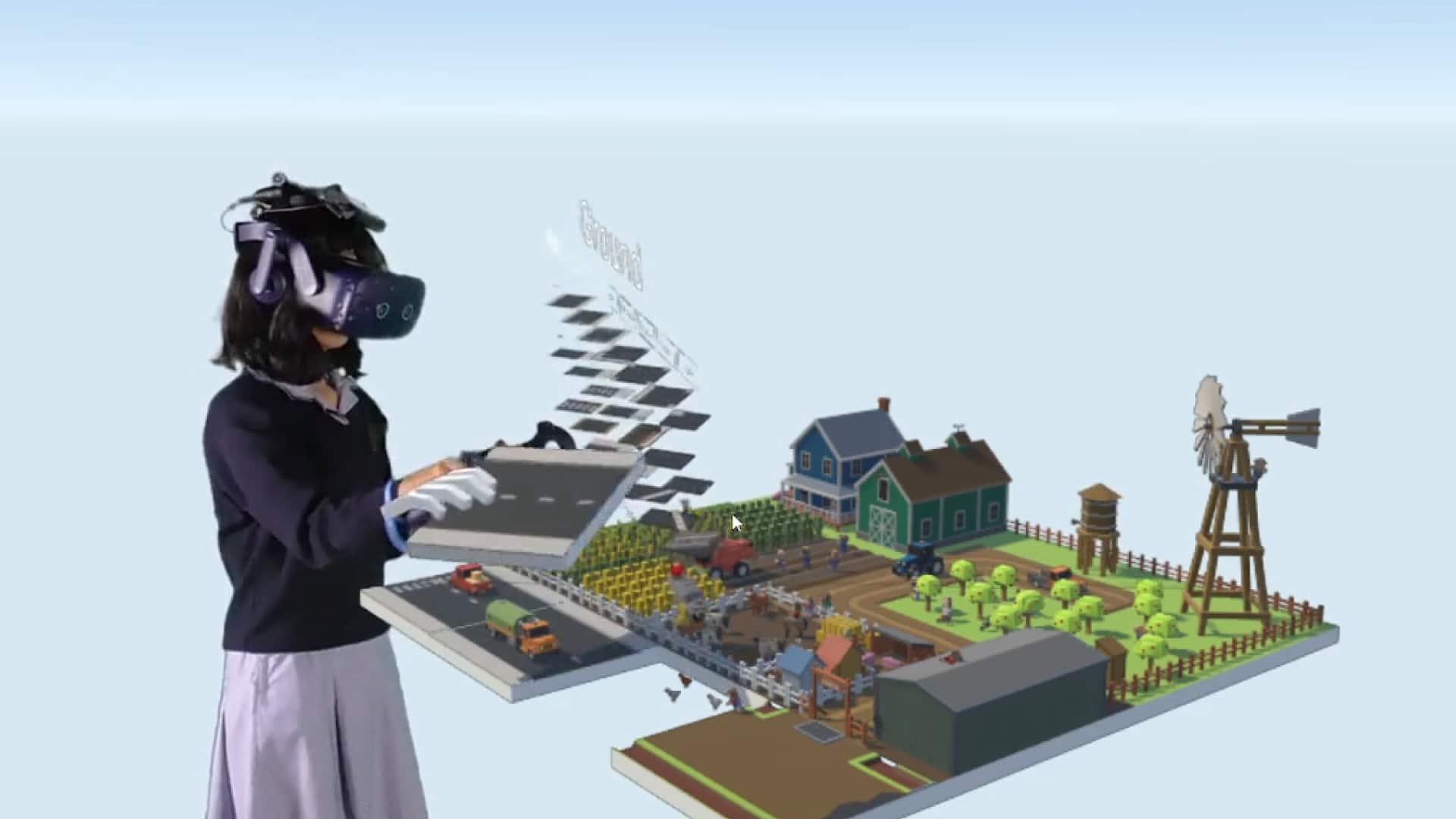
immersive Learning in Modern Education: How VR and AR Revolutionize Classroom Experiences
Immersive learning is rapidly transforming the landscape of modern education. With the integration of Virtual Reality (VR) and Augmented Reality (AR) in classrooms, educators now have innovative tools to engage students like never before. As technology evolves, VR and AR in education offer unique opportunities to create interactive, memorable learning experiences—making lessons more impactful, relevant, and enjoyable.
What is Immersive Learning?
Immersive learning leverages cutting-edge technology to create engaging, sensory-rich educational environments. Unlike traditional methods, it enables students to interact with content, manipulate objects, and experience concepts firsthand. VR and AR are at the heart of this movement, each contributing distinct advantages:
- Virtual Reality (VR): Creates fully simulated environments, allowing students to ‘step inside’ history, science labs, or fantasy worlds.
- Augmented Reality (AR): Overlays digital details onto the real world, enhancing textbooks, classroom objects, or field trips with interactive content.
How VR and AR Revolutionize Classroom Experiences
The integration of VR and AR in education is more than just a technological upgrade. It’s a paradigm shift in how knowledge is transferred and absorbed. Let’s explore the key ways thes technologies are transforming learning environments:
1. Enhancing Engagement and Motivation
Interactive simulations and virtual field trips make lessons more engaging. Students can visualize complex concepts, practice hands-on activities, and discover new interests in a safe, controlled setting.
- Example: VR headsets transport students to ancient Egypt, while AR apps bring science diagrams to life on their tablets.
- Moving beyond passive learning, students actively participate and collaborate on projects.
2. Bridging Theory and Practice
VR and AR allow for immersive, experiential learning. For subjects like physics, biology, and art, these technologies facilitate practical exercises that might be impractical in a traditional setup.
- Students can conduct chemistry experiments virtually, minimizing risks.
- Medical students can practice surgery in realistic simulations before entering the operating room.
3.Supporting Diverse Learning Needs
Immersive learning is inclusive. VR and AR can be tailored to different learning styles—visual, auditory, or kinesthetic. This personalization supports students with various abilities and preferences.
- Translations and subtitles can be embedded for multilingual classrooms.
- Hands-on interaction helps students with attention or sensory challenges stay focused.
4. Making abstract Concepts Tangible
Physics, mathematics, and engineering often involve complex ideas. VR and AR offer intuitive visualizations that make abstract concepts easier to grasp.
- Students can see 3D models of molecules, geometric shapes, or historical artifacts in front of them.
- AR-enabled textbooks provide interactive diagrams and quizzes.
Benefits of Immersive Learning in Education
Adopting VR and AR in classrooms offers a wealth of benefits:
- Deeper understanding: Students retain more information from experiential activities.
- Collaboration: Virtual environments enable group problem-solving and teamwork.
- Accessibility: Simulations can be accessed anytime, providing equitable learning opportunities.
- safe experimentation: Students can make mistakes and learn in risk-free virtual settings.
- Innovative curriculum delivery: Teachers can enrich lessons with interactive media and adaptive learning materials.
- Career readiness: Exposure to emerging technologies prepares students for jobs of the future.
Case Studies: Success Stories from Modern Classrooms
Case 1: Science Comes Alive at Seoul National University
Seoul National University integrated VR modules in their biology curriculum to simulate cellular processes. Students navigated through virtual cell walls, interacted with organelles, and observed chemical reactions in real-time, resulting in a 30% increase in concept retention rates compared to traditional lectures.
Case 2: Historical Journeys with AR at british Primary Schools
Several British primary schools used AR platforms to complement history lessons. Students scanned images from textbooks and watched interactive timelines unfold right before their eyes. teachers reported higher participation, especially among reluctant learners, and noted improved critical thinking skills.
Case 3: Medical Training at Stanford University
Stanford University’s medical school adopted VR to simulate surgical procedures. Aspiring surgeons practiced techniques in fully immersive environments, receiving instant feedback. This approach led to greater confidence and accuracy in real-life scenarios, highlighting the practical advantages of VR in higher education.
First-Hand Experiences: Voices from the Classroom
“Using VR in my physics class turned abstract theories into concrete visuals. Students now understand concepts like relativity much faster, and their enthusiasm for science has soared!”
– Emily Richards, High School Teacher
“AR apps have transformed our geography lessons. Instead of memorizing maps, students now explore continents, climates, and cultures interactively. Learning feels like an adventure!”
– Carlos Gutierrez,Primary Teacher
Practical tips for Integrating VR and AR in the Classroom
to maximize the impact of immersive learning,educators can consider the following strategies:
- start Small: Begin with free or low-cost AR apps that complement existing curricula. Gradually introduce more advanced VR experiences.
- Involve Students: Encourage students to co-create content or lead demonstrations, fostering a collaborative classroom culture.
- Provide Training: Invest in teacher professional advancement for effective technology integration.
- Ensure Accessibility: Choose platforms compatible with various devices and inclusive for students with different needs.
- Assess and Iterate: Collect feedback to refine lesson plans and select the most effective tools for learning outcomes.
- Maintain Balance: Combine immersive experiences with traditional teaching to support a diverse range of learners.
Looking Ahead: The Future of Immersive Learning
As VR and AR technology advances, we can expect even more refined applications in education. From AI-driven personalized tutors to global classroom collaboration via shared virtual platforms,the possibilities are endless.Educators, policymakers, and edtech developers must work together to ensure equitable access and effective implementation.
Conclusion: Embracing the Potential of Immersive Learning
Immersive learning, powered by VR and AR, is revolutionizing modern education by enhancing engagement, improving retention, and making learning more inclusive and exciting. These dynamic tools go far beyond novelty—empowering teachers and students to unlock new worlds of knowledge and creativity.
As classrooms worldwide embrace immersive technology, the focus should be on thoughtful integration, ongoing support, and sharing best practices. By harnessing the power of VR and AR, educators can cultivate tomorrow’s thinkers, innovators, and leaders—making learning truly unforgettable.
Want to learn more about integrating VR & AR into your school? Subscribe to our newsletter for the latest tools, reviews, and expert tips!