
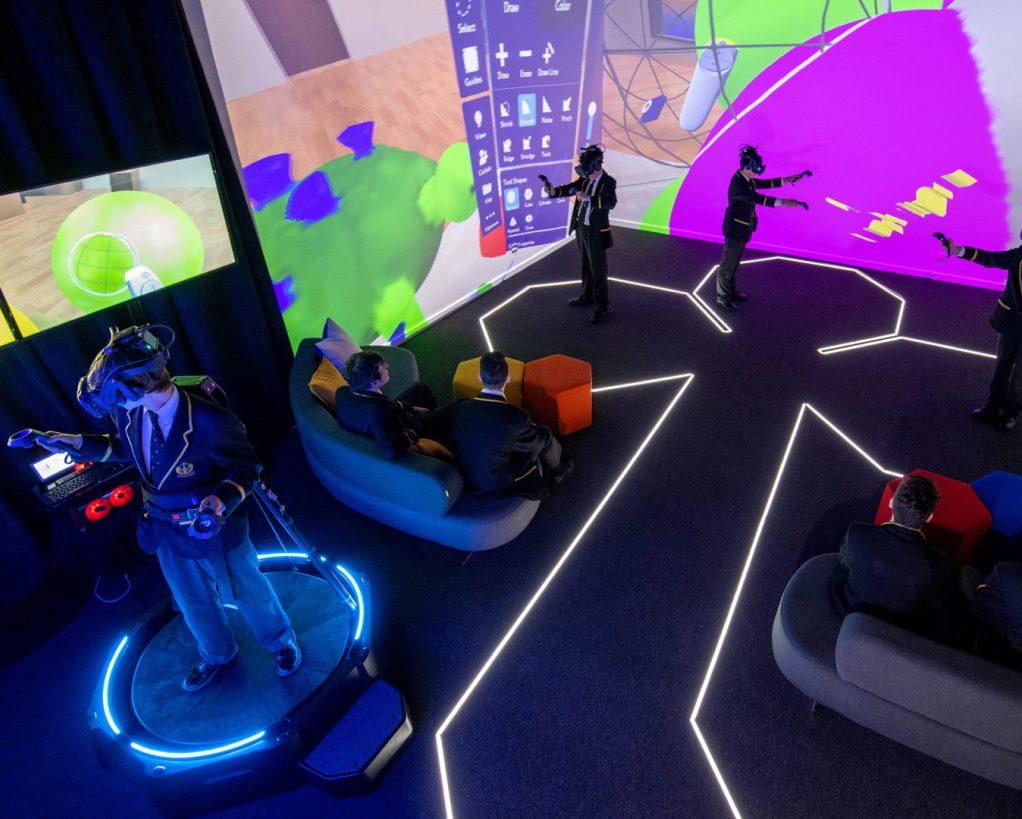
Immersive Learning Unveiled: How VR/AR Are Transforming Modern Education
Keywords: immersive learning, VR education, AR in classrooms, virtual reality in education, augmented reality, technology in education, educational transformation, interactive learning
Introduction: Stepping Into the future of Education
Education is rapidly evolving, and immersive learning powered by Virtual Reality (VR) and Augmented Reality (AR) stands at the forefront of this transformation. The integration of VR and AR technologies in modern classrooms is no longer a futuristic vision—it’s happening now, enriching learning experiences and empowering educators worldwide. In this article, we’ll unveil the potential of immersive learning, explore real-world examples, and share practical tips for harnessing VR and AR in education.
what Is Immersive Learning?
Immersive learning refers to educational experiences that actively engage students in simulated or interactive environments.By leveraging VR and AR,educators can create captivating,multi-sensory lessons where learners can ’step inside’ the subject matter,deepen their understanding,and retain data more effectively.
- Virtual Reality (VR): Fully digital environments accessed via headsets, enabling total immersion.
- Augmented Reality (AR): Real-world environments enhanced with digital overlays, often using smartphones or tablets.
How VR and AR Are Revolutionizing Modern Education
Integrating VR and AR into education delivers experiences that customary methods simply cannot match. From interactive history lessons to virtual science labs, these technologies are reshaping how students explore and comprehend new concepts.
Key Areas of Impact
- Enhanced Engagement: Immersive environments foster active participation and spark curiosity.
- Accessible Learning: VR and AR break down geographical and physical barriers, bringing rare or inaccessible locations and scenarios into the classroom.
- Personalized Instruction: Adaptive learning paths cater to individual strengths and preferences.
- Improved Retention: Multi-sensory experiences help learners retain information longer.
- Safe Practice: Simulated environments allow students to practice skills (surgery, engineering, chemistry) without real-world risks or costs.
Real-world Case Studies: Immersive Learning in Action
To better understand the impact of VR in education and AR in classrooms, let’s explore some compelling case studies that demonstrate the power of immersive learning.
Martin Luther King’s “I Have a Dream” Speech (VR)
- Middle school students in the US experienced MLK’s legendary speech in VR.
- They stood virtually among the Washington crowd, enhancing empathy and past understanding.
- Post-lesson assessments showed increased comprehension and engagement.
AR Science Lab Simulations
- High school biology classrooms used AR apps to study 3D models of human organs.
- Students interacted with digital overlays, dissected virtual specimens, and viewed biological processes in real-time.
- Learning outcomes exceeded those of traditional textbook-based lessons.
Virtual Field Trips Across the Globe
- Elementary schools in Europe leveraged VR headsets for virtual field trips to ancient ruins, rainforests, and outer space.
- Students explored critical habitats, historic landmarks, and planets—no passport required.
- feedback shows increased student motivation and willingness to engage in STEM subjects.
Benefits of VR and AR in Education: Why Choose Immersive Learning?
Both teachers and learners gain significant advantages when immersive technology is thoughtfully integrated into curricula:
- Interactive learning: Hands-on exploration encourages active participation and self-directed learning.
- Collaboration: VR and AR foster teamwork through multi-user experiences and peer feedback loops.
- Global Viewpoint: Virtual journeys and simulations invite cross-cultural understanding and global awareness.
- Skill Development: Realistic scenarios build practical skills, problem-solving, and critical thinking abilities.
- Inclusivity: Adaptable, customizable content supports diverse learning styles and abilities.
Comparative Table: Traditional vs immersive Learning
| Feature | Traditional Learning | Immersive Learning (VR/AR) |
|---|---|---|
| Engagement | Passive (lectures, textbooks) | Active (interactive, simulated) |
| Accessibility | Local classroom only | Global via virtual/augmented content |
| Retention | Lower | Higher due to immersive experiences |
| Personalization | Limited | Adaptable to learner needs |
Practical tips for Implementing VR/AR in the Classroom
Ready to bring immersive learning into your school? Here are actionable strategies for getting started with VR and AR education:
1. Start Small and Scale Up
- Begin with accessible AR apps using smartphones or tablets before investing in full VR hardware.
- Pilot immersive lessons in one subject or grade and then expand based on feedback and results.
2. Choose the Right Tools
- Evaluate options like Google Expeditions (VR), Matterport (virtual tours), or Meld AR (augmented learning).
- Consider your curriculum needs, budget, and students’ age range.
3. Encourage Teacher Training
- Provide professional development to help educators confidently integrate immersive tech.
- Share best practices and success stories within teacher communities.
4. Prioritize Safety and Accessibility
- Check device age-appropriateness and screen time recommendations.
- Ensure all students can participate, including those with disabilities.
5. Foster Community and Collaboration
- Use multi-user VR/AR platforms for collaborative projects and peer learning.
- Connect with other schools and global educators to share immersive experiences.
First-Hand Experience: Voices from Immersive Classrooms
Curious how students and teachers feel about immersive learning? Here’s what real users say:
- “Using VR in history class made me feel like I was really there. I understood more and wanted to learn more.” – Jake, Grade 8
- “AR models in biology helped my students visualize complex systems and ask thoughtful questions.” – Ms.howard,science Teacher
- “Virtual field trips energized my classroom and opened up the world for kids who don’t get to travel.” – Principal Ramirez
Challenges and Considerations When adopting Immersive Learning
While the benefits are significant, implementing VR and AR in education also presents a few challenges:
- Cost and Resources: quality VR hardware and AR-enabled devices can be expensive.
- Technical Support: Schools need reliable IT support for troubleshooting and maintenance.
- Content quality: Not all VR/AR educational content meets curriculum standards; careful curation is essential.
- Teacher Training: Ongoing professional development is required to maximize impact.
Conclusion: Charting the Path Ahead for Immersive Learning
The dawn of immersive learning with VR and AR signals a powerful shift in how education is delivered and experienced. no longer confined to chalkboards and textbooks, today’s classrooms unlock a universe of possibilities with interactive, engaging, and globally connected educational journeys.
As technology evolves and costs decrease, immersive learning will become increasingly accessible for schools and learners everywhere. By embracing VR and AR in education, educators can foster curiosity, cultivate critical skills, and inspire learners to reach beyond traditional boundaries.
Whether you’re a teacher, administrator, or parent, exploring the world of immersive education will help you transform learning and prepare students for tomorrow’s challenges—today. Ready to step into the future?