
Implementation Specialist – Key Responsibilities & Skills for Learning Platform Success
Introduction
The rapid growth of education technology has revolutionized how learning happens in universities, colleges, and schools worldwide. as institutions increasingly adopt digital solutions, the role of the Implementation Specialist has become critical for ensuring the success of learning platforms.if you’re considering a career in this highly sought-after field, understanding the core responsibilities, required skills, and practical tips for success will set you apart as an ideal job candidate. This guide explores everything job seekers need to know about excelling as an Implementation Specialist in education technology.
What is an Implementation Specialist in Education Technology?
An Implementation Specialist in education technology is a professional responsible for overseeing the deployment, configuration, and user adoption of learning management systems (LMS), digital classrooms, or other edtech solutions. Their core mission is to ensure educational technology platforms are seamlessly integrated into educational environments, supporting both technical and instructional needs.
Key Responsibilities of an Implementation Specialist
The duties of an Implementation Specialist can vary depending on the size and needs of the institution, but typically include the following core responsibilities:
- Project Planning and Stakeholder Coordination
- Collaborate with school administrators, IT teams, faculty, and vendors
- Develop detailed implementation project plans and timelines
- Identify project risks, dependencies, and mitigation strategies
- Platform Configuration & Customization
- set up platform features to align with institutional requirements
- Configure roles, permissions, courses, and content structures
- Test integrations with other school systems (SIS, HR, etc.)
- User Training and Support
- Develop and deliver tailored training sessions for staff and students
- Create clear documentation and user guides
- Serve as the main point of contact for onboarding help
- Troubleshooting & Technical Assistance
- Address platform issues and escalate complex problems
- Analyze and resolve user questions and technical challenges
- Monitor system performance and user adoption metrics
- Continuous Improvement & Feedback Analysis
- Gather feedback from end-users to enhance platform functionality
- Work with edtech vendors to implement updates or add new features
- Track regulatory, compliance, and accessibility requirements
Essential Skills for Learning Platform Success
To thrive as an Implementation Specialist in education technology, you’ll need a unique combination of technical, interpersonal, and organizational skills. Here are the most sought-after abilities:
- Technical Proficiency
- Understanding of learning management systems (e.g.,Canvas,Moodle,Blackboard)
- Familiarity with system integration,APIs,and data transfer protocols
- Basic troubleshooting and problem-solving skills
- Project Management
- Ability to manage timelines,budgets,and resources efficiently
- Strong attention to detail and follow-through
- Experience using PM tools (Jira,Trello,Asana,etc.)
- Training & Dialog
- Excellent written and verbal communication skills
- Ability to explain complex technology in simple terms
- Public speaking and group facilitation for workshops
- Customer-Oriented Mindset
- Empathy and patience when assisting users at various skill levels
- Service-oriented approach to problem-solving
- Ability to gather and respond to feedback constructively
- Change Management Skills
- Guiding faculty and students through technology transitions
- Handling resistance and fostering platform adoption
- Adaptability & Continuous Learning
- Staying updated on new edtech features, standards, and best practices
- Flexibility to navigate rapidly evolving technologies
Pathways to Becoming an Implementation Specialist
If you dream of launching or advancing your career as an Implementation Specialist in education technology, here’s how you can start:
- Obtain Relevant Education
- Bachelor’s degree in Education, Facts Technology, Computer Science, or a related field
- Certifications in project management or specific educational technology platforms can boost your credentials
- Gain Hands-on Experience
- Work in IT support or instructional technology roles within schools or universities
- Volunteer to support digital learning projects or pilot programs
- Build a Portfolio
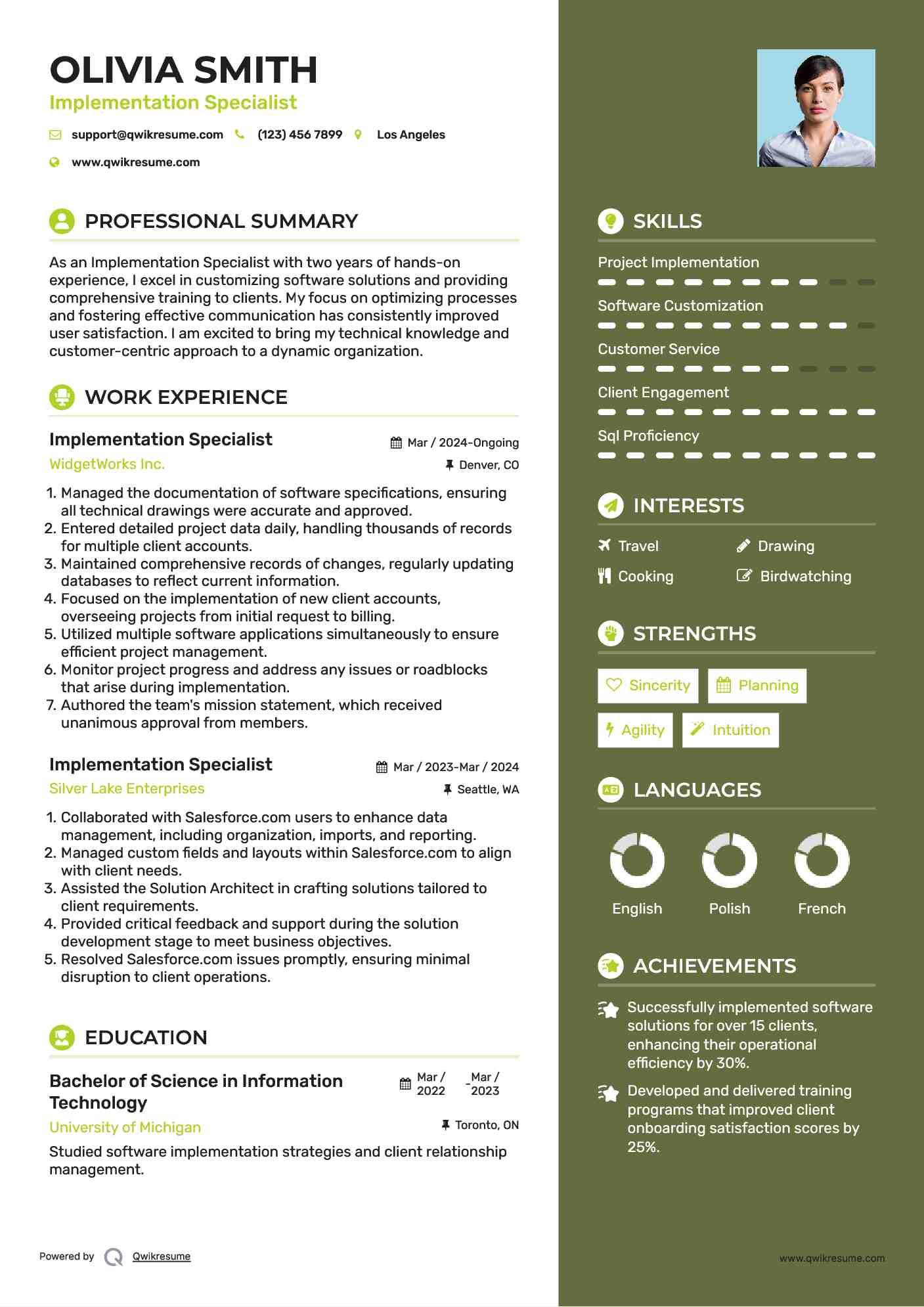
- Document successful implementations, training programs, and user feedback
- Highlight achievements in improving user adoption rates or resolving technical issues
- Network with EdTech Professionals
- Join education technology associations or online communities
- Attend relevant conferences, webinars, or training sessions
Benefits of Working as an Implementation Specialist in Education Technology
The implementation specialist role offers numerous rewards, making it one of the most attractive opportunities in the education technology landscape:
- High Impact: Directly contribute to improved teaching and learning experiences in schools and universities.
- Career Growth: Develop in-demand technical and project management skills valued across education and technology sectors.
- Dynamic Work Habitat: Engage with diverse stakeholders, new projects, and innovative solutions.
- Job Security: As digital learning expands,the demand for skilled implementation specialists will continue to rise.
- Professional Fulfillment: Enjoy the satisfaction of helping educators and students harness the power of technology for meaningful learning.
Practical Tips for Job Seekers in Education Technology
Ready to land your next role as a learning platform implementation specialist? Here are some actionable tips to maximize your chances of success:
- Tailor Your Request
- Customize your resume and cover letter to highlight relevant skills, certifications, and successful project examples.
- Emphasize your ability to bridge the gap between technology and instruction.
- prepare for Interviews
- Practice discussing specific implementation challenges and how you addressed them.
- Showcase your communication skills and approach to training end-users.
- Learn the Most Popular Learning Platforms
- Familiarize yourself with leading LMS solutions and their integration points.
- Complete self-paced modules or seek out certifications if available.
- Stay Informed
- Keep up-to-date with education trends, platform updates, and compliance standards.
- Subscribe to reputable edtech newsletters or blogs.
- Build Your Personal Brand
- Share relevant achievements or insights via professional social networks like LinkedIn.
- Contribute thought leadership by writing articles or presenting at edtech events.
Conclusion
Embarking on a career as an Implementation specialist in education technology allows you to be at the forefront of digital transformation in learning institutions.By mastering the key responsibilities—project management, platform setup, user training, and ongoing support—and cultivating essential skills, you play a vital role in creating seamless, engaging, and effective learning environments. Whether you aspire to work with universities, colleges, or K-12 schools, positioning yourself as a strategic, adaptable, and user-focused professional will ensure your long-term success in this rewarding field. Start building your expertise today and help shape the future of education!