
Implementing Blockchain in Educational Institutions: A Guide to Secure and Efficient Academic management
Blockchain technology has emerged as a groundbreaking solution with the potential to transform various industries, and educational institutions are no exception. From ensuring unrivaled data security to streamlining student records management, blockchain in education is paving the way for a smarter, more transparent, and highly efficient academic ecosystem. In this extensive guide, we’ll explore the advantages of integrating blockchain in educational institutions, real-world case studies, practical implementation tips, and much more.
What Is Blockchain and Why Is It Importent for Education?
Blockchain is a decentralized, immutable digital ledger that records transactions safely and transparently across multiple computers. Its core features—security, openness, and immutability—make it an ideal candidate for handling sensitive academic records and administrative tasks in educational institutions.
- Immutability: Data once entered cannot be altered, ensuring authenticity.
- Decentralization: Removes single points of failure and reduces the risk of data tampering.
- Transparency: All authorized stakeholders have access to the same data in real-time.
- Enhanced Security: Strong cryptographic mechanisms protect against unauthorized access.
Applying blockchain in education addresses various concerns, from forging diplomas to inefficient governance and cross-institutional verifications, making it a sought-after solution for modern academic management.
Key Benefits of Blockchain Implementation in Educational Institutions
The advantages of adopting blockchain technology in schools, colleges, and universities are numerous. Here are the top benefits that are driving the widespread interest:
1. Secure Academic Record-Keeping
- Automated creation of tamper-proof transcripts, credentials, and certificates.
- Reduced risk of document forgery and unauthorized alterations.
2. Efficient Administrative Processes
- Streamlined student admissions, attendance tracking, and fee payments using smart contracts.
- Reduction in paperwork and manual verifications.
3. Enhanced Data Privacy and Compliance
- Compliance with regulations like GDPR thanks to secure, permissioned access.
- Students have more control over who can access their personal data.
4. Seamless Verification and Portability of Credentials
- Instant verification of academic achievements by employers or other institutions globally.
- Students can carry a blockchain-verified digital portfolio anywhere.
5. Cost Reduction
- Less administrative overhead with automated, trustless systems.
- Lower costs linked to document processing and storage.
Real-World Use Cases: Blockchain in Education
Let’s take a closer look at how blockchain technology is already bringing value to educational environments:
- MIT’s Digital Diplomas: The Massachusetts Institute of Technology issues digital diplomas thru a blockchain solution, enabling graduates to share instant, verifiable proof of their credentials.
- University of Nicosia: This university in Cyprus was the frist to offer blockchain-based academic certificates, ensuring immutable records accessible globally.
- Sony Global Education: Using blockchain to securely share, store, and transfer student achievement records, allowing inter-institution compatibility and verification.
Best Practices and Practical Tips for Implementing Blockchain in Educational Institutions
Adopting blockchain in education requires careful strategy and planning. Here’s how academic leaders can ensure a successful implementation:
1. Identify Clear Objectives
- Determine pressing issues blockchain can solve (e.g., diploma forgery, record inefficiencies).
- Set measurable goals for the technology (e.g., reduce administrative costs by 20%).
2. Select the Right Blockchain Type
- Consider permissioned (private) blockchains for internal use to maintain privacy.
- Opt for public blockchains when broader verification is required.
3. Ensure Stakeholder Buy-in
- Educate staff and students about blockchain’s benefits and usage.
- Involve IT teams, legal experts, and end-users at every step.
4. Start with Pilot Projects
- Implement limited-scope pilots, such as blockchain-based degree verification, before expanding.
- Assess results, collect feedback, and optimize processes.
5.Prioritize Data Security and Compliance
- Design systems in line with data protection laws and institutional policies.
- Use robust cryptographic standards and regular security audits.
6. integrate with existing Systems
- Ensure compatibility with student details systems (SIS), learning management systems (LMS), and other digital tools.
- Design APIs or middleware to facilitate seamless data flow.
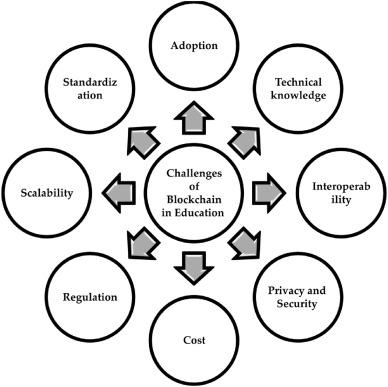
Challenges to Consider When Implementing Blockchain in Education
Even though blockchain technology offers transformative potential, it’s critical to be aware of the challenges specific to educational institutions:
- Technical Complexity: Integration with legacy systems may require extensive IT resources and expertise.
- Scalability Concerns: High transaction volumes can affect performance, depending on the chosen platform.
- Initial Costs: While cost-effective in the long run, upfront investment in infrastructure and training can be critically important.
- Regulatory Uncertainty: Evolving data privacy and security regulations may impact implementations.
Future Trends: What’s Next for Blockchain in Academic Management?
Blockchain technology is steadily gaining traction in academic management. Several future trends are worth watching:
- Credentialing Ecosystems: Networks that connect schools, universities, and employers for instant, blockchain-based verification of credentials.
- decentralized Learning Platforms: Platforms where courses, assessments, and certifications exist entirely on blockchain networks.
- Tokenized Rewards: using blockchain-based tokens to reward student achievements, encourage participation, or facilitate micro-credentialing.
- smart Contracts for Grants and Funding: Transparent allocation and release of educational grants and research funding through smart contracts.
Case Study Spotlight: Implementing Blockchain-Based Certifications
Let’s examine a hypothetical scenario of a university implementing blockchain certification:
- Pre-Implementation: The university faces issues with forged degrees and lengthy manual verification processes.
- Implementation: The IT team develops a permissioned blockchain where all diploma records are hashed and uploaded at the time of issue. Students receive a unique link that can be shared with employers for instant, tamper-proof verification.
- Outcome: Verification requests drop from weeks to seconds, saving time and resources for both the university and employers. Stakeholder satisfaction rises notably.
First-Hand Experience: Educators’ and Students’ Perspectives
“As an administrator, blockchain has drastically reduced paperwork and streamlined diploma issuance. Our graduates appreciate the instant, verifiable credentials when applying for jobs worldwide.”
– university Registrar
“I used to worry about losing certificates or having my achievements questioned. Now, I control my digital records and can share them anytime, anywhere, hassle-free.”
– Graduate Student
Conclusion: Take the Next Step Towards Blockchain-Powered Learning
Implementing blockchain in educational institutions is a strategic move that can future-proof academic management. From enhanced data security and efficient record-keeping to seamless verification and reduced costs, the benefits are compelling. However, a successful transition depends on clear objectives, stakeholder engagement, compliance, and a willingness to adapt to innovative digital tools.
As blockchain adoption continues to rise, educational institutions embracing these solutions will be better positioned to offer trustworthy, efficient, and globally recognized academic services. Start your blockchain journey today to unlock secure, transparent, and efficient academic management for the digital era.