
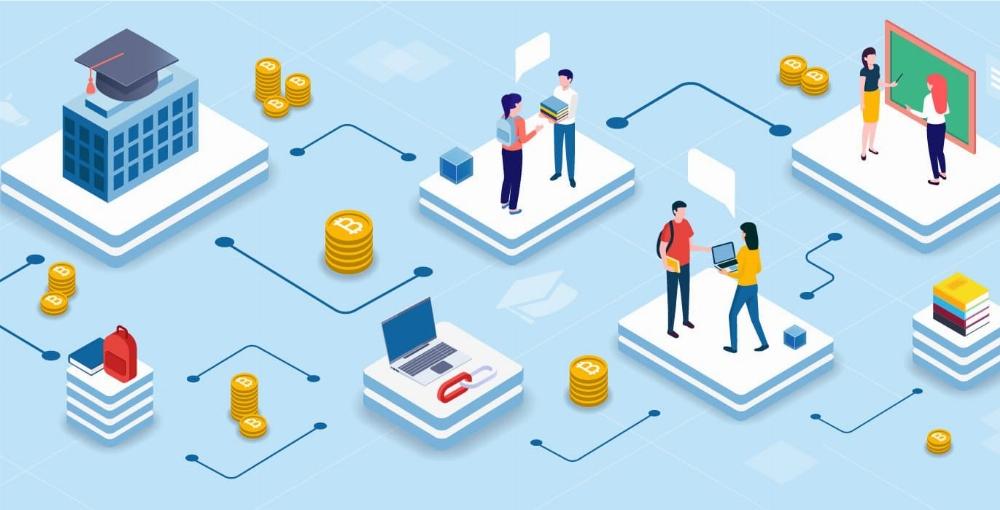
Implementing Blockchain in Educational Institutions: A Guide to Transforming Education with Secure Technology
As technology rapidly evolves, educational institutions are seeking innovative solutions to improve transparency, security, and efficiency in managing student data and academic records. Blockchain technology is gaining momentum as a revolutionary tool in education, promising fortified data security, streamlined processes, and enhanced trust among stakeholders. In this comprehensive guide, we delve into how implementing blockchain in educational institutions can reshape the way we teach, learn, and manage information—ushering in a new era of secure digital education.
What is Blockchain and Why Does it Matter in Education?
Blockchain is a distributed ledger technology best known for powering cryptocurrencies like Bitcoin, but its application goes far beyond digital finance. In essence, blockchain creates a tamper-proof and obvious record of transactions—making every change traceable and verifiable. For educational institutions, this means a secure, transparent, and decentralized way to store student records, certificates, credentials, and much more.
- Immutability: Data entered on the blockchain cannot be changed or deleted, ensuring academic integrity.
- Transparency: All parties can view and verify records,substantially reducing fraud and misinformation.
- Decentralization: no central authority controls data, reducing the risk of data breaches or manipulation.
The Benefits of Blockchain in Education
Introducing blockchain technology in education offers transformative benefits. Institutions can gain more control over data, foster trust with stakeholders, and boost operational efficiency.
1.Enhanced Data Security & Privacy
- Prevents Forgery: Diplomas, certifications, and transcripts stored on the blockchain cannot be faked or modified without consensus.
- Student-Controlled Data: Learners have ownership of their academic achievements, sharing them seamlessly with employers or universities.
- Regulatory Compliance: Helps institutions comply with data privacy laws like GDPR by granting students greater data ownership.
2. streamlined Credential Verification
- Speedy Verification: Employers and other institutions can instantly verify academic records without lengthy paperwork.
- Borderless Recognition: Students applying internationally can easily prove their qualifications, reducing barriers to global education.
3. Cost and Time Efficiency
- Reduced Administrative Costs: Automating processes like verification and records management leads to substantial cost savings.
- Automated Workflows: Smart contracts can handle routine tasks like enrollment, grading, and certificate issuance.
4. Fostering Trust & Transparency
- audit Trails: Every transaction is logged, providing a ancient record for every credential or record issued.
- Reduced Fraud: Decentralized nature reduces single points of failure and enhances trust among all parties.
Real-World Applications and Case Studies
Implementing blockchain in educational institutions is no longer just theory.Several universities and education platforms worldwide have successfully adopted blockchain technology to modernize their systems.
1. The University of Nicosia, Cyprus
As the first university to issue academic certificates on the blockchain, the University of Nicosia provides graduates with secure, easily verifiable digital diplomas. This has set a benchmark for transparency and trust in academic credentials.
2. MIT’s Digital Diploma Initiative
The Massachusetts Institute of Technology (MIT) enables students to recieve “Digital Diplomas” using blockchain. These cryptographically signed credentials can be instantly shared and verified by employers or other institutions.
3. Sony Global Education & IBM
Sony partnered with IBM to launch a blockchain-based platform that securely shares and verifies education records. This platform helps both students and educators manage credentials efficiently and transparently.
Challenges of Blockchain Adoption in Education
While the benefits are compelling, implementing blockchain in educational institutions also presents some challenges that must be addressed for prosperous integration:
- Technical Complexity: Deploying and maintaining blockchain infrastructure requires specialized knowledge and resources.
- Scalability Issues: As the number of users and transactions increase, blockchain networks may face congestion and slower processing times.
- Standardization: There is currently no universal standard for blockchain credentials, leading to interoperability challenges.
- Initial Costs: Upfront investment in technology, infrastructure, and training can be significant.
- Data Privacy Concerns: storing sensitive personal data on public ledgers must be managed carefully to comply with privacy laws.
Implementing Blockchain in Your Educational Institution: Step-by-Step Guide
Wondering how to bring the power of blockchain to your campus? Here is a practical roadmap to help educational institutions start their blockchain journey:
- Understand the Needs: identify key areas—such as record management, credentialing, or admissions—where blockchain could deliver the most value.
-
Research Blockchain Solutions:
- Explore available blockchain platforms tailored for education (e.g., Blockcerts, Learning Machine, sony Global Education).
- Compare features, scalability, and integration capabilities.
-
Involve Stakeholders:
- Engage administrators, IT staff, faculty, and students early in the process.
- Discuss benefits, address concerns, and foster buy-in across the institution.
-
Pilot a Program:
- start with a small-scale project, such as blockchain-based transcript verification or issuing digital certificates for select courses.
- Monitor performance,gather user feedback,and troubleshoot any issues.
-
Evaluate Compliance and Security:
- Ensure all solutions comply with relevant education laws, data protection regulations, and cybersecurity policies.
-
Scale Up and Integrate:
- Based on pilot results, expand the use of blockchain to other areas and integrate with existing Learning management Systems (LMS).
-
Provide Training and Support:
- Offer workshops, documentation, and technical support to ensure tech adoption is smooth for all users.
Best practices for Blockchain Implementation in Education
- Prioritize Data Privacy: Use permissioned (private) blockchains where only authorized stakeholders can access sensitive records.
- Adopt Open Standards: Opt for open protocols and standards to ensure interoperability with partners and future-proof your investment.
- Continuous Evaluation: Regularly review blockchain solutions for security vulnerabilities, user feedback, and evolving regulatory requirements.
- Collaboration: Partner with other institutions, goverment bodies, and edtech firms to share best practices and drive innovation.
Future Trends: What’s Next for Blockchain in Education?
- decentralized Learning Platforms: The rise of fully decentralized learning management systems where learners have full control over their data and credentials.
- Micro-Credentials and Lifelong Learning: Blockchain will empower learners to earn, collect, and share micro-credentials from multiple institutions and platforms.
- Global Recognition: Universal acceptance of blockchain credentials, breaking down borders for global academic and career mobility.
- Integration with AI and IoT: Combining blockchain with artificial intelligence and the Internet of Things to enable smarter, more secure campuses.
Conclusion: Embracing Blockchain to Transform Educational Institutions
Blockchain technology in education is more than just a buzzword—it’s a catalyst for lasting change. By embracing blockchain, educational institutions can secure academic records, streamline processes, and foster a new level of trust among students, faculty, and employers. While challenges remain, a strategic approach to implementation—grounded in best practices and stakeholder engagement—will pave the way for a new era of secure, transparent, and efficient education.
Now is the time for schools, colleges, and universities to begin their exploration of blockchain solutions in education. By investing in this transformative technology today, institutions can prepare for a future where education is truly secure, transparent, and student-centred.