
Implementing Blockchain in Educational Institutions: A Step-by-Step Guide to Transforming Academic Systems
The education sector is on the cusp of a digital revolution. Blockchain technology is rapidly emerging as a game-changer, offering secure, transparent, and decentralized solutions to many long-standing challenges faced by academic institutions. This comprehensive guide will walk you through implementing blockchain in educational institutions and how it can transform academic systems for the better.
Why blockchain in Education Matters
Blockchain in education is more than a trend—it’s a strategic evolution. By leveraging the inherent transparency and immutability of blockchain, schools, colleges, and universities can eliminate diploma fraud, simplify credential verification, and streamline administrative tasks. The decentralized ledger technology boosts overall security, fosters trust, and enhances data management in academic environments.
Key Benefits of Blockchain in Academic Systems
- Secure Academic Credentials: Store degrees, diplomas, and certifications on a tamper-proof blockchain, reducing the risk of forged or lost records.
- Streamlined Verification Processes: Enable third parties and employers to instantly validate academic achievements without intermediary verification.
- Enhanced Data privacy and Ownership: Grant students greater control over thier personal educational data.
- Automated Transcripts and Credit Transfers: Use smart contracts to automate credit recognition and transfer between institutions globally.
- Efficient Administrative Operations: reduce paperwork and human error in student management and record-keeping.
Step-by-Step Guide: Implementing Blockchain in Educational Institutions
-
Assess Institutional Goals and Readiness
Begin by clearly defining your institution’s objectives for integrating blockchain technology. Are you aiming for secure credentialing,streamlined admissions,or something else? Evaluate technical readiness and gauge staff and student acceptance to ensure triumphant deployment.
-
choose the Right Blockchain Platform
Popular blockchain networks in education include Ethereum, Hyperledger Fabric, and IBM Blockchain.Evaluate each platform’s scalability, security, compliance, and interoperability features before selecting the one most suited to your needs.
-
Develop the Blockchain Infrastructure
- Collaborate with Developers: Work with blockchain solution providers or in-house experts to design the infrastructure.
- smart Contracts: Program automated contracts to manage verification, credit transfers, or fee payments.
- User Authentication: Implement robust identity management for faculty, students, and administrators.
-
Integrate with Existing Academic Systems
Ensure seamless compatibility with current Learning Management Systems (LMS), Student Details Systems (SIS), and other digital platforms. Integration fosters a smooth transition while maintaining data consistency and process efficiency.
-
Test and Pilot the System
Start with a pilot project, such as issuing blockchain-based certificates to a graduating class or digitizing a portion of student records. Gather feedback and resolve bugs before a full-scale rollout.
-
train Stakeholders
provide thorough training for administrators, faculty, students, and IT support. Ensure that all users understand how to access, use, and manage information on the blockchain.
-
Roll Out and Continuously Improve
After successful pilot testing, expand blockchain usage incrementally. Regularly collect feedback and analyze performance metrics. Update the system to accommodate new needs and technological advances.
Real-World Case Studies: Blockchain Transforming Education
University of Nicosia, Cyprus
As the first university to issue blockchain-verified academic certificates, the University of Nicosia allows graduates to share verifiable diplomas with employers globally. This innovation has minimized diploma fraud and simplified cross-border credential evaluations.
Sony Global Education
Sony’s education platform uses blockchain technology for secure document management and trusted sharing of learning achievements. The system also facilitates personalized educational journeys and credit transfer agreements.
MIT’s Digital Diplomas
the Massachusetts Institute of Technology (MIT) has deployed blockchain-based digital diplomas, empowering students to easily share verified achievements worldwide. This has streamlined the process of providing proof of achievement to third parties.
Best Practices for Successful Blockchain Implementation in Education
- Engage Stakeholders Early: Involve faculty, students, administrators, and technical staff from the begining to ensure buy-in and smooth adoption.
- Prioritize Data Privacy and Compliance: Adhere to legal standards such as GDPR and FERPA, ensuring that blockchain implementations respect data protection regulations.
- Opt for Interoperable Solutions: Choose blockchain systems that can connect with other institutional platforms and adapt to future advancements.
- Empower Continuous Learning: Offer ongoing training and resources to keep staff and students up-to-date with blockchain advancements.
- Monitor and Evaluate: Regularly analyze system performance and user satisfaction to identify areas for enhancement.
Potential Challenges and How to Address them
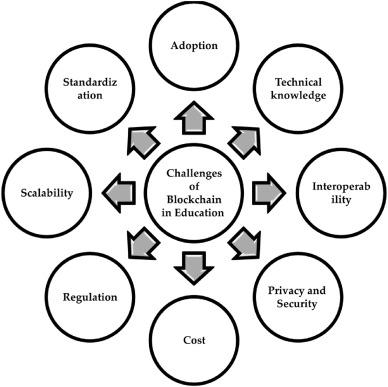
While blockchain can transform educational institutions, implementation is not without its obstacles. Common challenges include:
- Technical Complexity: Partner with experienced blockchain consultants and invest in skill development for IT staff.
- Resistance to Change: Foster open communication, highlight tangible benefits, and offer workshops to boost confidence.
- Cost of Integration: Start small with pilot projects and scale gradually to manage costs effectively.
- Regulatory Frameworks: Stay updated on regional and international laws governing digital education technologies.
Future Outlook: The Evolution of Blockchain in Education
As blockchain adoption accelerates, we can expect even more transformative applications—including lifelong learning passports, cross-border academic exchanges, and global student identity management. Educational institutions that embrace blockchain now position themselves as pioneers in digital trust, innovation, and student empowerment.