
Implementing Blockchain in Educational Institutions: Benefits, Challenges, and Practical Steps
The world of education is evolving at a rapid pace, driven by digital conversion and the constant need for greater clarity, security, and efficiency. One technology that promises to revolutionize the educational landscape is blockchain. By leveraging blockchain in educational institutions, stakeholders can enjoy automated credential verification, tamper-proof records, and much more. In this detailed guide,we will cover the key benefits,significant challenges,practical implementation steps,and inspiring case studies to highlight blockchain’s growing role in academia.
What is Blockchain and Why Dose it Matter for Education?
At its core, blockchain technology is a decentralized digital ledger that securely records transactions across a distributed network of computers. Each record (or “block”) is cryptographically linked to the previous one,making the chain nearly impractical to alter retroactively without altering all subsequent blocks. In the context of educational institutions, this means records such as certificates, diplomas, and academic transcripts can be securely issued, verified, and shared—ushering in a new era of trust and efficiency.
- Trustworthy credentials: Ensures all records are genuine and instantly verifiable.
- Decentralization: Removes the need for a central authority or intermediary.
- Transparency: Every authorized party can access the same unalterable records.
- Security: Strong cryptography protects data from tampering and fraud.
Benefits of Implementing Blockchain in Educational Institutions
Switching to blockchain offers tremendous advantages for schools, colleges, universities, and other academic organizations. Here are some of the most compelling benefits of blockchain in education:
1. Enhanced Data Security and Privacy
blockchain safeguards student data against unauthorized access and manipulation. sensitive information—like grades, transcripts, and degrees—can only be accessed by authorized users, dramatically reducing risks of data breaches.
2. Instant and Tamper-Proof Verification
One of the most discussed blockchain use cases in education is digital credentialing. Employers or other academic institutions can instantly verify the authenticity of certificates and transcripts, eliminating the need for time-consuming manual verification processes.
3. Streamlined Record Management
Educational records can be securely stored on blockchain, making it easy to retrieve, share, and audit academic achievements for students, educators, and administrators.
4. Improved Student Mobility and Credit transfer
Blockchain-based records break down barriers between institutions, facilitating hassle-free student credit transfers and cross-border recognition of qualifications.
5. Reduced Administrative Costs
Automating processes like credential issuance, verification, and record-keeping can decrease operational costs and free up resources for educational enhancement.
6. Fostering Lifelong Learning
Blockchain allows learners to maintain a extensive, lifelong portfolio of their educational achievements, including formal degrees, micro-credentials, and online certifications.
Challenges and Pitfalls of Blockchain Adoption in Education
Despite its numerous benefits, implementing blockchain in educational institutions presents a unique set of challenges. Being aware of these ensures proper planning and smoother adoption.
- Technical Complexity: Setting up and maintaining blockchain solutions require specialized technical expertise.
- Integration with Legacy Systems: Many institutions still rely on conventional databases. Seamlessly connecting these to new blockchain frameworks can be demanding.
- Scalability Concerns: Public blockchains may have limitations in terms of transaction throughput and speed.
- Legal and Regulatory Hurdles: Varying global regulations concerning digital identity,data privacy (such as GDPR),and blockchain can complicate deployment.
- High Initial Costs: Investment in infrastructure and training is necessary for successful implementation.
- User Adoption: Both staff and students need proper training to take full advantage of blockchain-powered platforms.
Real-World Case Studies: Blockchain Success in Education
Several educational organizations have pioneered the adoption of blockchain, demonstrating its practical value:
MIT Media Lab
in 2017, the MIT Media Lab started issuing digital diplomas on blockchain, enabling graduates to share verifiable, tamper-proof credentials with potential employers worldwide.
The University of Nicosia
As the first university to offer blockchain-based degree certificates, the University of Nicosia in cyprus has shown how secure, shareable academic records transform student mobility and trust.
Malta’s Education Ministry
Malta’s Ministry for Education deployed blockchain for academic certificate verification in all public schools,promoting credibility and combating fake credentials in their system.
Top Takeaways
- Blockchain adoption has already proven its viability in diverse educational environments.
- Institutions report increased administrative efficiency and enhanced international reputation.
Practical Steps to Implement Blockchain in Educational Institutions
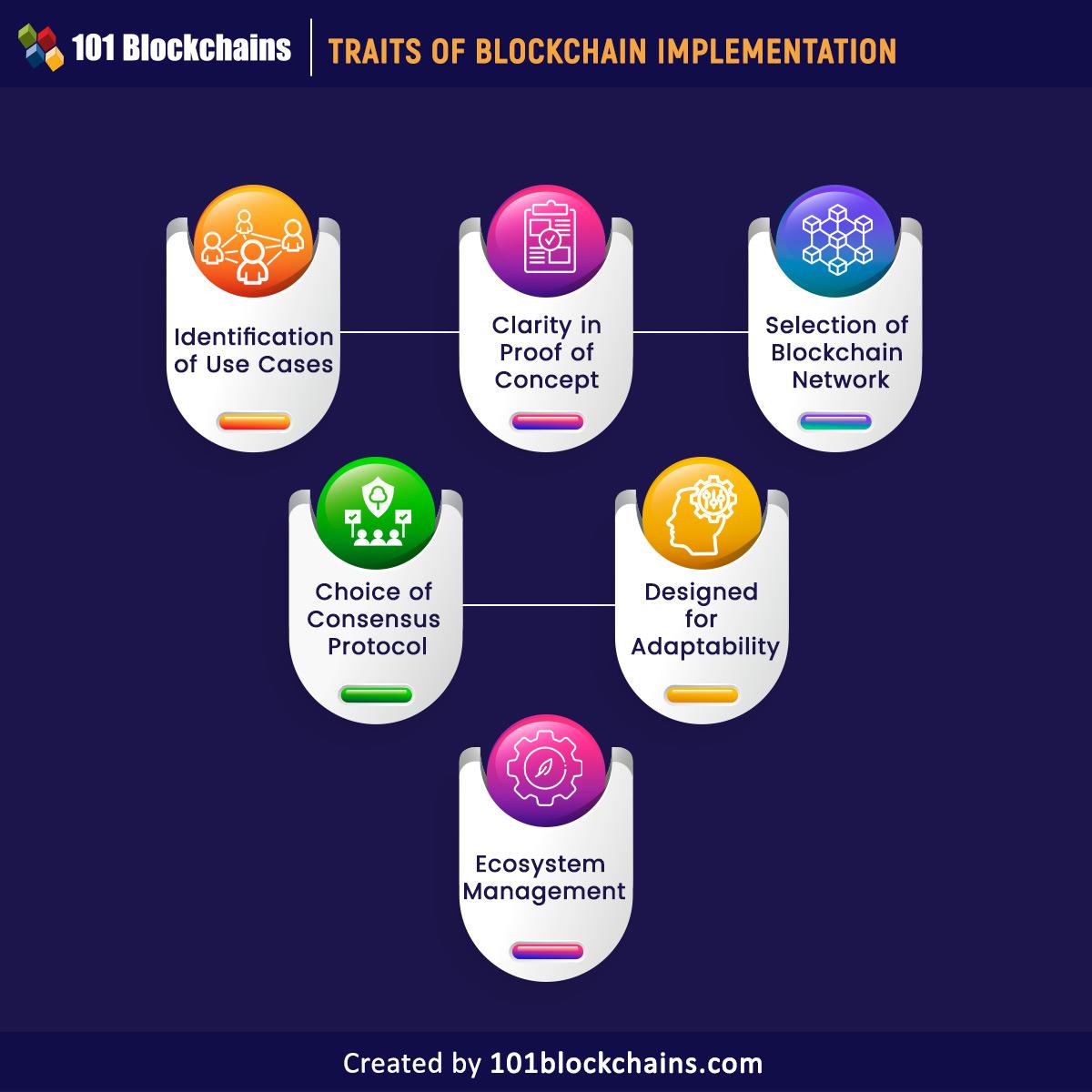
Ready to get started? Here’s a step-by-step guide for successful blockchain implementation in education:
- Define Objectives and Use cases
- Identify clear goals (e.g., secure digital certificate issuance, streamlined student records, decentralized request processes, etc.).
- Engage Stakeholders Early
- Include IT teams, administrators, educators, students, and external partners in the planning process.
- Choose the Right Blockchain Platform
- Consider open-source solutions like Hyperledger, Ethereum, or education-targeted platforms such as Blockcerts.
- Public vs. private blockchain: Assess your needs for transparency vs. data privacy.
- Develop Blockchain-Based Applications
- Work with developers to build front-end portals, admin dashboards, or APIs to connect with existing systems.
- Pilot the Solution
- Test the blockchain solution with a limited group (e.g., issuing digital diplomas to a small graduating class).
- Educate and Train Users
- Develop user guides and training sessions for students, faculty, and IT staff.
- Monitor, Evaluate, and Scale
- Collect feedback, monitor for technical or user-experience issues, and expand the deployment steadily as confidence grows.
First-Hand Insights: Tips for Smooth Blockchain Adoption
Educators and IT leaders who have navigated this journey recommend these practical tips:
- Start small: Begin with a single, high-impact use-case (such as transcript management) before expanding to broader applications.
- Involve all stakeholders: Early communication with staff, students, and administrative bodies is crucial for buy-in and smooth transition.
- Leverage expert partnerships: Collaborate with technology providers or universities already experienced in educational blockchain projects.
- Stay legally compliant: Regularly consult with legal and data privacy experts to ensure regulatory compliance.
- Keep user experience in mind: Develop simple, intuitive interfaces to maximize acceptance.
The Future of Blockchain in Education
As blockchain matures,its integration into education will likely expand beyond credentials to include innovative use-cases like decentralized learning platforms,smart contracts for scholarships and grants,peer-to-peer recognition of skills,and even AI-driven,self-sovereign identity management. For educational institutions aiming to stay ahead of the curve, now is the perfect time to begin exploring blockchain’s transformative potential.
Conclusion: Embracing Blockchain for a Better Educational Future
While implementing blockchain technology in educational institutions comes with its own hurdles, the long-term advantages in terms of security, transparency, and operational efficiency are hard to ignore. Early adopters are already seeing the boosts in trust, global competitiveness, and digital innovation that blockchain brings. By understanding both the benefits and the challenges, and by following a robust implementation process, your institution can pave the way for a smarter, safer, and more transparent educational future.
Are you ready to explore blockchain in your academic institution? Take a proactive step towards a new era of secure, digital education today.