
Implementing Blockchain in Educational Institutions: Revolutionizing Security and Transparency in Academia
Introduction: Blockchain Meets Academia
In recent years, blockchain technology has taken center stage in various industries, promising enhanced security, transparency, and efficiency. While its applications in finance and supply chain management are widely recognized, the realm of education is on the brink of a radical transformation. But what does blockchain mean for educational institutions? How can it address critical challenges like data fraud, credential verification, and document security in academia? This article explores how implementing blockchain in educational institutions is set to revolutionize security and transparency, reshaping the future of higher education.
What is Blockchain Technology?
Blockchain is a decentralized and immutable digital ledger. Every entry is securely recorded, timestamped, and linked to the previous one, making tampering nearly unachievable. In the context of academic record management and credential verification, blockchain creates a trustworthy system where data integrity is guaranteed.
Benefits of Blockchain in Educational Institutions
Adopting blockchain within academia offers several game-changing advantages:
- Enhanced Security: Academic records, certificates, and transcripts stored on blockchain are cryptographically protected. Unauthorized changes are virtually impossible.
- Greater Transparency: Every document action is traceable. Students, faculty, and employers can independently verify credentials in real time.
- Reduced Fraud: Fake degrees and certificates are a major concern. Blockchain-based credentialing eliminates forgery and ensures only genuine qualifications are recognized.
- Streamlined Processes: Automated smart contracts simplify administrative tasks like course registrations, fee payments, scholarship distribution, and more.
- Lifetime Academic Records: Students maintain a lifelong digital academic profile accessible anytime,anywhere.
- Global Accessibility: Cross-border degree recognition is made easier,promoting international mobility and collaboration.
- Cost Efficiency: by reducing manual labor and paperwork, blockchain saves time and money for institutions and students alike.
Case Studies: blockchain in Action
1. MIT – Digital Diplomas
The Massachusetts Institute of Technology (MIT) pioneered blockchain in education by launching Digital Diplomas using the Blockcerts platform. graduates can securely store, share, and verify their diplomas on the blockchain, drastically cutting down on credential fraud and verification time.
2. University of Nicosia – Blockchain-Based Credentials
The University of Nicosia in Cyprus became the first university to issue academic certificates using blockchain. Students and employers can access proof of credentials instantly, promoting transparency and trust.
3. Sony Global Education & IBM - Blockchain Learning Records
Sony global Education teamed up with IBM to develop a blockchain-based platform for sharing and managing learning records. With this system, students’ achievements are securely stored and easily shared for admissions and recruitment.
How Blockchain Enhances Security and Transparency in Academia
Securing Academic Records
- Immutable Data Storage: Records are stored in a tamper-proof way,ensuring ancient accuracy.
- Decentralized Access: No single entity can alter or delete data, making student data breaches virtually impossible.
- End-to-End Encryption: Blockchain offers advanced cryptographic protection beyond traditional databases.
Facilitating Transparent Credential Verification
- Instant Verification: Employers and institutions can verify records without waiting for paper documentation.
- Authenticity Assurance: Built-in timestamping ensures records’ legitimacy.
- Permissioned Access: Students retain control over who can view their documents.
Practical Tips for Implementing Blockchain in Education
- Begin with Pilots: Start by implementing blockchain with small-scale pilot projects such as digital certificates or transcript management.
- Stakeholder Involvement: Engage students, faculty, employers, and IT teams early in the process for smooth adoption.
- Collaborate with EdTech Partners: Work with technology providers who specialize in blockchain for education.
- Focus on Interoperability: Ensure blockchain solutions can integrate with existing student information systems and learning management platforms.
- compliance and Data Privacy: Adhere to regulations like GDPR and ensure student data confidentiality.
- Plan for Scalability: choose scalable blockchain platforms that can grow with your institution’s needs.
- Continuous Training: Provide ongoing training for administrative staff to maximize technology benefits.
Challenges and Considerations
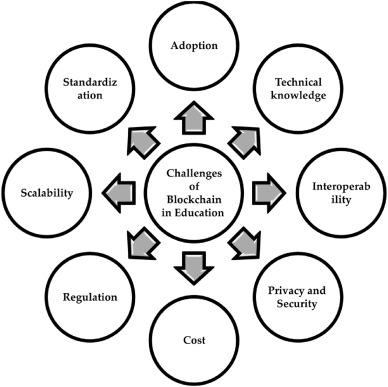
While blockchain brings numerous benefits, institutions must address several critical challenges:
- Technical Complexity: Implementing blockchain requires advanced IT knowledge and resources.
- Cost: Initial progress and integration costs may be high.
- regulatory Concerns: Frameworks for blockchain in education are still evolving; institutions must ensure compliance.
- Data portability: Migrating legacy systems to blockchain can be challenging.
- User Adoption: Students and faculty may need time to adapt to new systems.
Overcoming these hurdles involves strategic planning, strong leadership, and partnering with experienced blockchain providers.
First-Hand Experience: Perspectives from the Academic Community
To further understand the impact,let’s hear from real users:
“Switching to blockchain-based transcripts allowed our students to share their achievements instantly with employers,reducing administrative bottlenecks and verification delays. We witnessed a notable drop in fake credential cases since adoption.” — Registrar, Midwestern University
“Blockchain helped us unify academic records across departments, ensuring data integrity and giving students full control over their personal information.” — IT Director, State College
Future Outlook: blockchain’s Role in Shaping Academia
The future of blockchain in education looks promising. As more institutions and EdTech platforms embrace distributed ledger technology, expect increased automation in everything from admissions to alumni engagement. With ongoing advancements, blockchain could underpin entire learning ecosystems, supporting lifelong learning and global academic exchanges.
- Decentralized learning Platforms: Students could accumulate micro-credentials on blockchain, building career portfolios instantly shareable worldwide.
- Smart Scholarships: Funds released on achievement triggers, streamlining scholarship distribution.
- Global Academic Collaboration: Inter-university projects facilitated by secure, transparent record-keeping.
Conclusion: Embracing the Blockchain Revolution in Education
blockchain technology is rapidly emerging as a foundational pillar in the digital transformation of educational institutions. By revolutionizing security and transparency,it empowers students,educators,and administrators alike. While challenges persist, the benefits — from fraud-proof credentials to streamlined administration — are irresistible for forward-thinking academia. Schools and universities looking to stay competitive must explore implementing blockchain in education to ensure trust,integrity,and global connectivity.The time is now to embrace blockchain and unlock a new era of academic excellence.
Ready to safeguard your institution’s future? Consider blockchain as your key to secure, transparent, and efficient academic operations.